WASHINGTON— While all the details have not been released, including whether credit unions would be required to participate, the Trump administration is considering whether to require financial institutions to collect citizenship information from customers/members as part of a broader effort to curb illegal immigration, according to reporting by the Wall Street Journal reported.
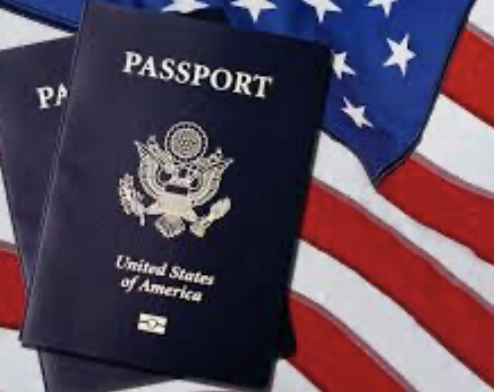
The Journal said the proposal, under review primarily at the Treasury Department, could direct financial institutions to request new documentation — such as passports — from both new and existing customers seeking to open or maintain accounts in the United States. As credit unions are aware, current “know your customer” rules aimed at preventing money laundering require banks to verify identity, often using Social Security numbers or passports, but they do not require lenders to determine or record citizenship status.
‘Baseless Speculation’
No final decision has been made, and one administration official told the Journal that no order has been approved. White House spokesman Kush Desai said reports about unannounced policy deliberations amount to “baseless speculation.”
The discussions have raised concerns within the banking industry, which has questioned the legal authority for such a requirement and lobbied Treasury officials against it, according to the Journal.
Sen. Tom Cotton (R-AR) said he plans to introduce legislation that would block banks from providing accounts to immigrants in the country illegally, writing on social media that access to the U.S. banking system “is a privilege that should be reserved for those who respect our laws and sovereignty,” the Journal said.
FinCEN May Play Role
The Journal report said one option under consideration would involve the Treasury Department’s Financial Crimes Enforcement Network (FinCEN). FinCEN recently ordered financial institutions in two Minnesota counties to report certain overseas transactions above $3,000 — far below the usual $10,000 reporting threshold, the Journal stated.
Any broader change to customer-verification requirements could require a formal rulemaking process under existing law, the Journal added.