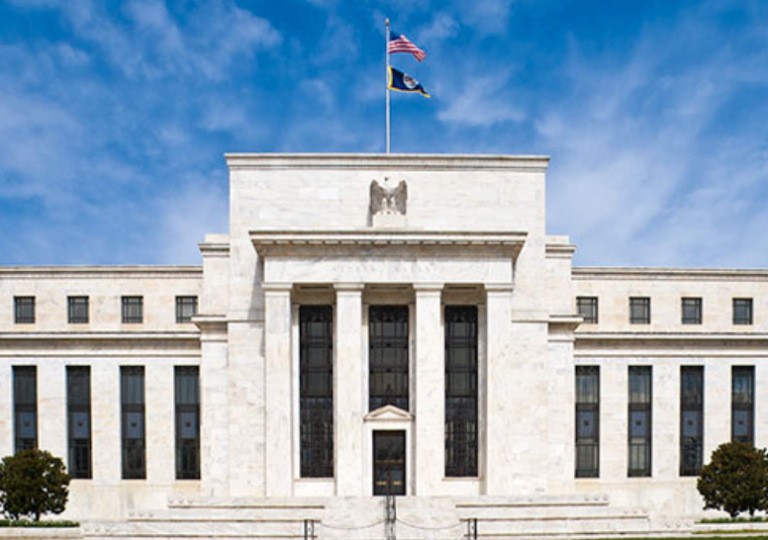
WASHINGTON—When credit unions and economists entered 2026 it was with the expectation the Federal Reserve would be cutting rates at least once during 2026, but members of its Open Market Committee signaled at their April meeting that the central bank’s next interest-rate move could shift from cuts to hikes if inflation remains elevated, minutes released by the Fed reveal.
A majority of policymakers indicated additional tightening “would likely become appropriate” if inflation continues to run persistently above the Fed’s 2% target, marking a notable change in tone after nearly two years focused primarily on when rates could begin moving lower, noted the Wall Street Journal.
The April meeting was the last chaired by Jerome Powell before leadership transitions to Kevin Warsh, who is expected to assume the role ahead of the Fed’s June 16-17 policy meeting. The Journal reported the minutes reflected how conflict in the Middle East and resulting energy-price pressures have altered the outlook among policymakers.
Objections to ‘Easing Bias’
The Federal Open Market Committee ultimately voted to leave rates unchanged in April. But The Wall Street Journal reported that three regional Fed presidents objected to language in the policy statement that retained an “easing bias,” or wording suggesting the next policy move would more likely be a cut than an increase. The minutes indicated broader support existed for removing that language than the formal dissents suggested.
According to the report, financial markets have increasingly adjusted expectations toward tighter monetary policy. Prior to release of the minutes, futures markets reflected nearly a 50% probability of at least one quarter-point increase by year-end, based on CME Group data cited by the Journal.
Energy Prices Drive Reassessment
The Journal reported policymakers’ reassessment has been driven in part by higher energy prices linked to conflict involving Iran and concerns that inflation could remain above target longer than previously expected. Additional factors cited included continued labor-market resilience and reassessment of artificial intelligence’s near-term economic effects, with some economists now viewing AI-related investment as potentially adding demand before productivity gains materialize.
Longer-term Treasury yields have climbed in recent weeks as investors recalibrated expectations for Fed policy, according to the Journal, contributing to higher mortgage and borrowing costs across the economy.