

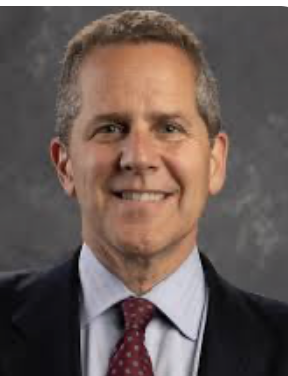
WASHINGTON — Federal Reserve Gov. Michael Barr is urging lenders to consider cash-flow underwriting, alternative financial data and artificial intelligence as ways to expand access to credit for consumers and entrepreneurs with criminal records who may appear riskier under traditional credit scoring models than their current finances suggest.
Barr, speaking Tuesday at the Second-Chance Lending Forum in Washington, said people who have experienced incarceration continue to face significant obstacles obtaining mainstream credit even as data indicate strong demand for financing among that population, according to remarks first reported by PYMNTS.
Federal Reserve data cited by Barr show people who have experienced incarceration are 16 percentage points less confident that a credit application will be approved than people without that experience. At the same time, they are 10 percentage points more likely to have applied for credit during the previous year.
“This tells us they face substantial barriers to the mainstream credit that they need,” Barr said.
Alternative Data Could Provide ‘Second Look’
Barr said cash-flow underwriting and alternative financial data could give lenders a more complete picture of borrowers with limited or damaged traditional credit histories.
Bank account information, for example, can provide more current information about income, recurring expenses, account balances and payment behavior that may not be reflected in a conventional credit score.
Such information could help lenders distinguish between financial problems that occurred in the past and an applicant’s current ability to repay a loan.
Federal banking regulators previously have identified so-called “second look” programs as one potential application for alternative data. Those programs allow lenders to use additional financial information to reconsider applicants who otherwise would be denied credit under traditional underwriting criteria.
Barr also pointed to AI-powered underwriting as another potential tool for evaluating borrowers, saying the technology could provide lenders with additional information for assessing risk while potentially expanding access to financing.
Barr Sees Small-Business Opportunity
The issue also has implications for small-business lending, Barr said.
Research cited by the Fed governor estimates approximately 1.1 million U.S. small-business owners — nearly 4% of the nation’s total — have criminal records.
People with criminal records also may be more likely to pursue entrepreneurship, Barr said, potentially creating a significant group of prospective borrowers for banks, community development financial institutions and other lenders.
Greater access to business financing could be particularly important for people who have difficulty obtaining traditional employment after incarceration and turn to entrepreneurship as an alternative.
Barr cautioned, however, that additional research and data are needed to better understand the creditworthiness of people with criminal records and determine which lending and entrepreneurship programs can be expanded successfully.
The goal, he said, is to identify approaches that allow lenders to more accurately evaluate borrowers based on their present financial circumstances while continuing to appropriately manage credit risk.






One Response
Scott Prior, CEO of Connection Credit Union in Silverdale, WA is a small credit union with a special program for ex-convicts, for account services and loans. Really setting the example of how CUs give back to those most in need!