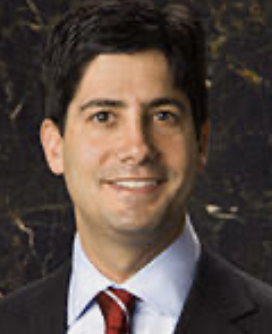
WASHINGTON — In a meeting that wraps up today, Federal Reserve Chairman Kevin Warsh will have presided over his first Federal Open Market Committee, and will be facing immediate questions over interest rates, inflation and how he intends to reshape the central bank’s communications strategy.
The two-day meeting marks the first policy gathering under Warsh since he was sworn in as chairman on May 22 after being nominated by President Donald Trump and confirmed by the Senate.
While economists and financial markets widely expect the Fed to leave its benchmark federal funds rate unchanged at 3.5% to 3.75%, attention is focused on Warsh’s first post-meeting news conference and any signals he provides about the future direction of monetary policy. Reuters, the Associated Press and other news organizations reported that investors are looking for clues about whether Warsh will steer the Fed in a more hawkish direction to combat inflation or eventually move toward rate cuts.
Credit union economists have in recent months forecast at least one rate increase in 2026.
Challenging Time
Warsh takes over at a challenging time for the central bank. Inflation recently accelerated to a three-year high of 4.2%, while labor market data have remained relatively strong, creating a difficult backdrop for any discussion of lower rates, as the CU Daily has been reporting.
Markets Looking for Policy Signals
As the CU Daily has also reported, Warsh has spent years criticizing aspects of the Fed’s communications practices, including extensive forward guidance and frequent public commentary by policymakers. Analysts told Reuters they will be closely watching whether the new chairman begins signaling changes to how the Fed communicates with markets.
Reuters reported that Warsh has argued that policymakers should avoid becoming overly dependent on forecasts and should preserve flexibility by limiting detailed guidance about future rate decisions.
He also has advocated for a smaller Federal Reserve balance sheet and a less expansive role for the central bank.
The June meeting also includes updated economic projections, giving investors their first opportunity to assess how the Warsh-led Fed views inflation, economic growth and interest-rate expectations. Market analysts cited by Brown Brothers Harriman said the meeting could offer an early indication of how Warsh intends to influence the Fed’s broader policy framework.
Political Pressure in the Background
Warsh’s debut comes amid continued pressure from President Trump, who has repeatedly called for lower interest rates. However, Reuters reported that current economic conditions, including elevated inflation and strong employment data, may make it difficult for the Fed to justify easing policy in the near term.
During his Senate confirmation process, Warsh pledged to remain independent of political influence, according to biographical information and congressional reporting cited by multiple news outlets.