WASHINGTON — The Federal Home Loan Bank System is weighing a series of proposals aimed at expanding credit availability and liquidity, including new mechanisms to provide faster emergency funding and broaden eligible collateral, according to a new report.
A council representing the Federal Home Loan Banks has outlined a roadmap for credit expansion that includes the potential use of letters of credit to speed access to funding for member institutions during periods of stress, Reuters reported, citing industry discussions and a letter sent to the Federal Housing Finance Agency.
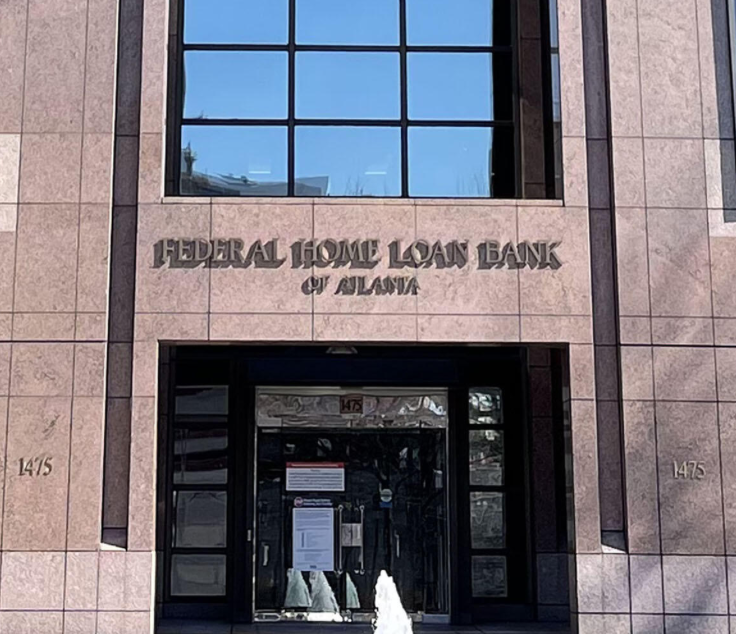
Under the proposal, a Federal Home Loan Bank would issue a letter of credit backed by collateral already pledged to the system. That instrument could then be used by institutions that are also members of the Federal Reserve System to secure short-term borrowing from the Fed’s discount window, providing quicker access to liquidity in emergency situations.
The effort is part of a broader push to expand the role of the Home Loan Banks in supporting housing finance and community lending, Reutters reported. The system, created during the Great Depression, provides funding to banks, credit unions and other financial institutions to support mortgage lending and related activities. The federal home loan banks are led by Ryan Donovan, who was a long-time Hill advocate for credit unions at CUNA.
Additional Proposals
In addition to the liquidity proposal, the council suggested expanding the types of loans that can be used as collateral for advances, including certain non-qualified mortgages, provided they meet safety and soundness standards. That change is intended to help smaller banks and credit unions maintain access to funding even as regulatory frameworks evolve, Reuters reported.
The report noted the proposals also align with a recent White House executive order directing federal agencies to promote access to mortgage credit by easing regulatory burdens and encouraging greater participation by community lenders. The order calls for modernizing mortgage rules, improving liquidity and fostering competition to lower borrowing costs.