

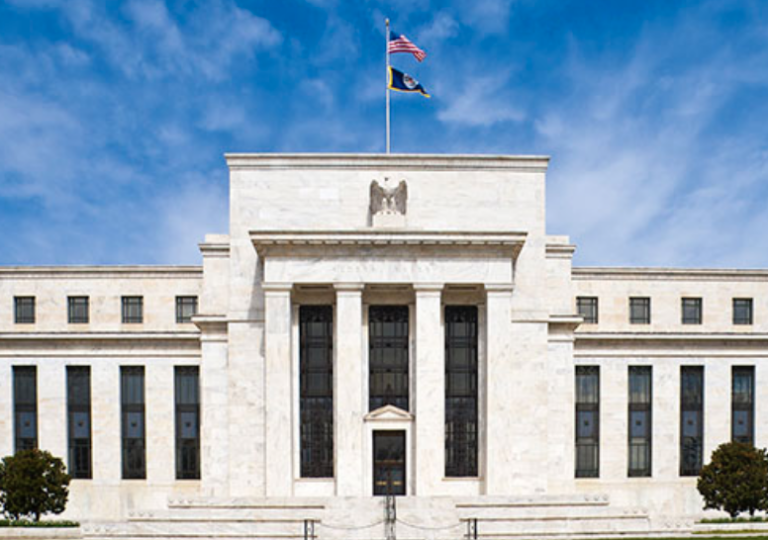
WASHINGTON — The Federal Reserve left its benchmark interest rate unchanged at the conclusion of a two-day meeting of the Federal Open Market Committee, as policymakers signaled growing concern that inflation pressures could persist and potentially require higher borrowing costs later this year.
In the first FOMC meeting chaired by Kevin Warsh, the Fed voted to maintain the federal funds target range at 3.5% to 3.75%, extending a string of rate pauses as officials continue to weigh the effects of elevated inflation, strong economic growth and geopolitical uncertainty. The decision was widely anticipated by financial markets and economists ahead of the meeting.
In its brief policy statement, the Fed said the U.S. economy continues to expand at a solid pace, with job growth keeping up with labor force growth and unemployment remaining relatively stable. The central bank also noted that inflation remains above its 2% target, citing higher energy costs and supply disruptions as contributing factors.
America’s CU Economist Responds
“The FOMC opted for a ‘hawkish hold’ in June, making no changes to the fed funds rate target but emphasizing concerns about inflation,” America’s Credit Unions Chief Economist Curt Long said in a statment. “New Chair Warsh has long been a critic of FOMC communications and its use of forward guidance, and the committee’s June statement was significantly shorter and less detailed than usual. The FOMC’s economic projections, or so-called ‘dot plot’, showed that half of committee participants expect a rate hike in 2026. An increase in interest rates is clearly defensible given the solid condition of the labor market and rising inflation, but that will pile more pressure on borrowers in the short run. More than ever, credit unions stand out as the most affordable source of credit in the marketplace.”
Hawkish Outlook
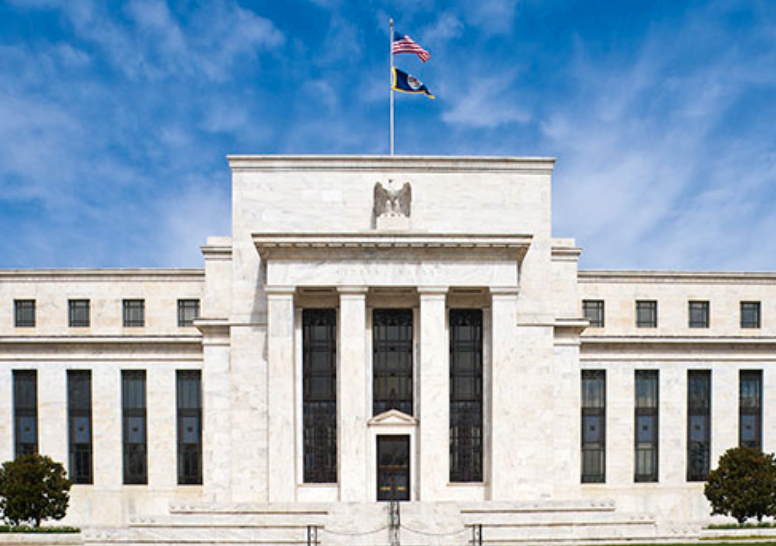
The Fed’s updated economic projections pointed to a more hawkish outlook than many analysts expected. According to Reuters, nine of the 19 Fed policymakers now anticipate at least one interest-rate increase before the end of 2026, while six expect multiple increases. Three months ago, no officials projected a rate hike. Reuters reported the shift reflects concerns that inflation could remain elevated longer than previously expected following higher oil prices and broader supply-chain disruptions tied to conflict in the Middle East.
The Wall Street Journal reported that more Fed officials now view higher rates as the next likely move for monetary policy, even as the central bank opted to stand pat at this meeting. Investors had been closely watching not only the rate decision but also the Fed’s updated economic forecasts and any clues about future policy direction.
As the CU Daily has reported, credit union economists have also penciled in one rate increase during 2026.
Projection for Year-End Inflation
According to Reuters, the Fed now projects year-end inflation of 3.6%, up from a previous forecast of 2.7%, while core inflation is expected to reach 3.3%. The unemployment rate is projected at 4.3%, and economic growth is forecast at 2.2% for the year.
Wednesday’s decision marked Warsh’s first policy meeting since succeeding Jerome Powell as Fed chair. There were no dissents from the committee, a contrast with recent meetings under Powell that featured multiple disagreements among policymakers. Axios reported that Warsh shortened the traditional FOMC statement, part of a broader effort to streamline Fed communications.
The decision comes as inflation remains above the Fed’s long-term target despite signs that underlying price pressures have moderated. Reuters reported that headline inflation recently reached 4.2%, while core inflation stood at 2.9%. At the same time, unemployment has remained near 4.3%, giving policymakers room to keep rates elevated as they seek to bring inflation back under control.
The next regularly scheduled FOMC meeting is set for late summer.



