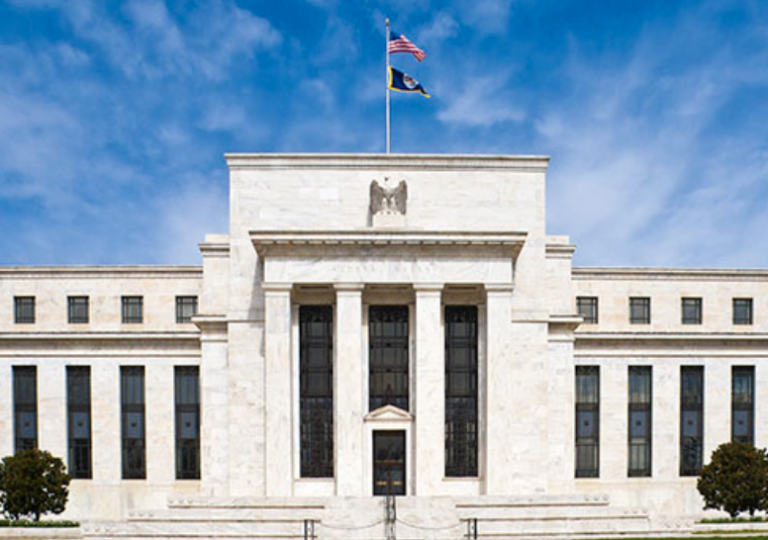
WASHINGTON — America’s Credit Unions was among the more than 30 organizations filing comment letters in response to a Federal Reserve proposal that would create a limited, or “skinny,” version of a master account, which continue the debate over whether nontraditional financial firms should be allowed partial access to the U.S. payment system.
A master account gives institutions direct access to the Federal Reserve’s payment systems and, by extension, the most direct access to the U.S. money supply. Institutions without such accounts must rely on partner banks to clear payments and hold funds.
The Fed said innovations in financial services may warrant a more tailored approach to account access, while still mitigating risks. Under the proposal, the slimmed-down account would bar interest on balances and prohibit access to the discount window, among other restrictions.
Fed Gov. Christopher Waller first floated the idea in October, informally dubbing it the “skinny master account,” and suggested limits on interest and overdraft privileges.
America’s Credit Unions Calls for More Controls
In its feedback, America’s Credit Unions said it’s not clear how the overall review process for likely applicants, such as uninsured depositories, aligns with the goals set forth in the Board’s Account Access Guidelines.
“While we are supportive of the Board’s decision to preemptively address credit risk by limiting eligibility to earn interest on account balances, access to the discount window and intraday credit, and by imposing other account restrictions, the Board should articulate a more robust set of controls that address operational risks posed by applicants not subject to the insurance-based oversight of a functional banking regulator,” it reads,” America’s Credit Unions said.
‘Undercuts’ State Efforts
According to the trade group, allowing uninsured institutions to access Reserve Bank payments infrastructure and use a single state’s money transmitter laws to engage in nationwide money transmission “could undercut multi-state efforts to adopt standards and licensing regimes designed to combat money laundering,” it adds.
America’s Credit Unions said it is encouraging the Federal Reserve board to consider the broader financial stability implications of inviting greater flows of funds into uninsured, special-purpose institutions, which over the long term “could frustrate the Board’s ability to execute monetary policy or implement traditional features of safety and soundness oversight.”
What Other Groups Are Saying
According to The Block, other comment letters have included:
Changes Urged
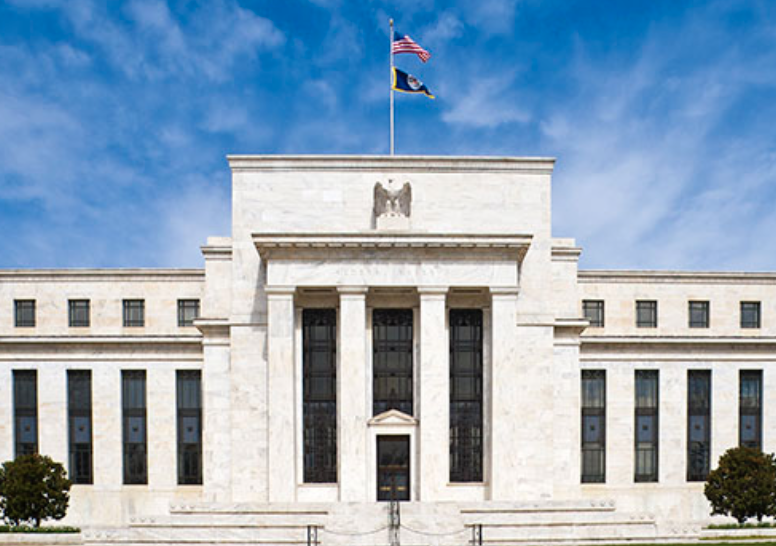
Anchorage Digital Bank, the first federally chartered crypto bank, said it supports the initiative but urged changes. In a comment letter, Anchorage objected to a proposed overnight balance cap that would limit payment account balances to $500 million or 10% of an institution’s total assets, The Block reported.
“The proposed cap forces institutions to sweep client funds to correspondent banks overnight, reintroducing the very credit and operational risks the Payment Account is intended to eliminate,” Anchorage wrote, adding that the limit undermines business continuity and disaster recovery planning.
According to The Block, the Blockchain Payment Consortium, founded by the Solana Foundation and the Sui Foundation, called the proposal “overdue.” The group said broader access to central bank settlement systems is important to implementing the GENIUS Act, a new federal law regulating stablecoins.
Sharp Objections
Community banks raised sharp objections. The Colorado Bankers Association said master accounts have traditionally been reserved for insured, low-risk institutions with extensive regulatory oversight, a framework it argued protects the payment system.
The Community Bankers Association of Illinois said it supports innovation but warned that novel financial institutions lack comparable regulatory histories. Granting them skinny accounts, the group said, would create unfair competition and could expose consumers and taxpayers to new risks, the Block reported.
The Federal Reserve has not said when it will decide whether to move forward with the proposal.