HARTFORD, Wis. — In a scenario other credit unions will want to be aware of, a Wisconsin man is saying he was left responsible for repaying a $22,000 loan after a credit union allegedly wired funds to what turned out to be a fraudulent car dealership.
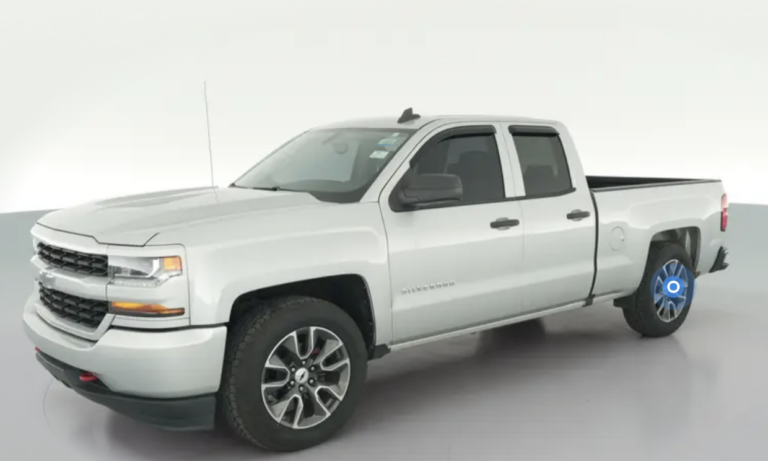
Billy Heck of Hartford told TMJ4 he found a 2019 Chevrolet Silverado advertised online by what appeared to be a dealership in Laredo, Texas, in 2024. The truck, priced at about $26,000, was intended to help him secure a higher-paying job.
“It was going to be a game-changer income-wise for my family and me,” Heck told the station.
According to TMJ4, Heck said the dealership appeared legitimate, with an extensive online inventory, positive reviews and a listing on Google Maps.
Heck said he sought financing through Landmark Credit Union in Hartford, where he said a loan specialist conducted background checks on the dealership before approving the loan.
What Loan Specialist Stated
According to emails reviewed by TMJ4, the loan specialist wrote that he had spoken with the dealership and that payment would need to be made by wire transfer before the vehicle could be shipped.
“I did speak with the dealership, and we have to do a wire transfer because for them to send the vehicle they need the funds first,” the email stated.
Heck told TMJ4 he was not involved in arranging the wire transfer and did not know one would be used until he signed the loan documents.
When the truck failed to arrive, Heck said he became suspicious and discovered the dealership’s website and phone numbers were no longer functioning.
He emailed the loan specialist, writing, “I believe we may have been scammed.”
Warning from Credit Union
According to TMJ4, the specialist responded that he did not understand how it could be a scam because the dealership had provided a video of the vehicle. The specialist also wrote that the business’s bank account “is what sold me on this being legitimate.”
About a month later, Heck said he received an email from a Landmark fraud specialist warning that if he failed to repay the loan, the matter could be referred to an attorney, potentially resulting in a money judgment, attorney fees, wage garnishment and a lien on his property.
Heck told TMJ4 the credit union informed him that while he was not at fault for the scam, he remained responsible for repaying the loan because it maintained he had requested the wire transfer.
Investigation Opened
Hartford police opened an investigation after Heck filed a report in 2024 but later suspended the case, saying detectives had exhausted all available leads in identifying the suspect or suspects.
Heck told TMJ4 he is making monthly payments of about $280 and expects to continue doing so for four years.
“I get frustrated twice a month every time that payment gets taken out of my account,” he told the station. “I wasn’t expecting to be on the hook for all that.”
Heck said Landmark removed the interest from the loan but told him the amount involved was below the threshold required to pursue recovery through federal insurance.
TMJ4 requested an interview with Landmark Credit Union, but the credit union declined, citing its obligation to protect customer privacy as a regulated financial institution.
Formal Review Launched
In a statement provided to the television station, Landmark said it had initiated a formal review “to understand what occurred and to determine what steps may be available to address the matter.”
Heck also told TMJ4 that less than 24 hours after the station contacted Landmark, he received three notifications indicating the loan specialist was attempting to recall previously sent emails.
In a follow-up statement, Landmark told TMJ4, “Not only do we expect our associates to conduct themselves with the highest ethical standards, we have zero tolerance for misconduct. Leadership has initiated an internal investigation around this matter.”
Heck told the station he believes the credit union should share responsibility for the loss and said the institution should consider requiring certified checks rather than wire transfers in similar transactions.