TEL AVIV, Israel —In the type of crime that has financial institutions around the world deeply concerned, Israeli police have accused a 20-year-old man of using artificial intelligence and stolen personal data to create “synthetic identities” that were allegedly used to open fraudulent bank accounts and obtain credit cards in the names of hundreds of unsuspecting victims.
The case, which authorities described as a glimpse into the future of cybercrime, is being investigated by Israel’s National Cyber Investigations Unit of Lahav 433. Investigators allege that Niki Sokolov, of Tzur Yitzhak, orchestrated a sophisticated scheme that used AI-generated digital replicas of real people to bypass banks’ remote account-opening procedures and steal money, according to Calcalist Tech, also known as C-Tech.
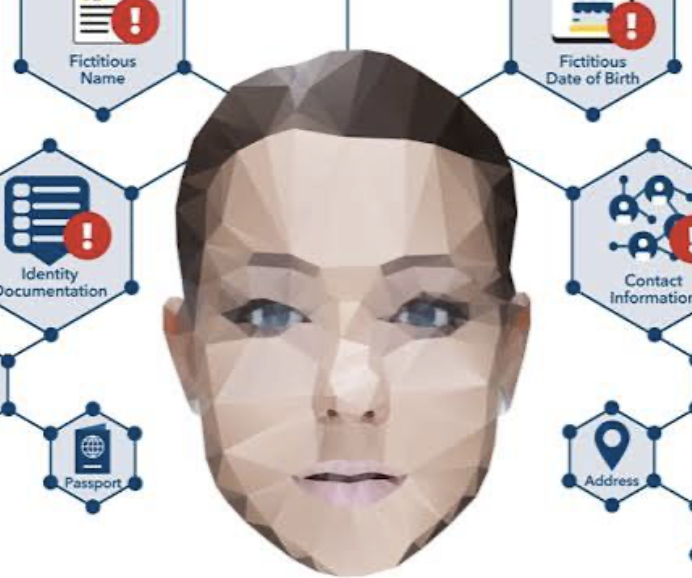
According to court proceedings cited by C-Tech, police believe Sokolov and possible accomplices obtained photographs and identity documents from hacked databases purchased through darknet marketplaces or Telegram channels. Investigators allege the information was then used to create realistic AI-generated personas capable of producing videos and selfies that mimicked legitimate customers.
Police told the court that the synthetic identities were used to open bank accounts, obtain credit cards and conduct transactions without the knowledge of the people whose identities were allegedly stolen.
‘An Example of the Future’
“This case is undoubtedly an example of the future expected in cybercrime and of the ease and sophistication with which fraud offenses can be committed while suspects hide behind technology,” Judge Guy Maimon of the Rishon LeZion Magistrate’s Court wrote when extending Sokolov’s detention by one week, according to C-Tech.
Authorities estimate that hundreds of people may have been affected and that losses totaled hundreds of thousands of Israeli shekels.
Police said the investigation began in January and focused on what investigators described as a large-scale identity theft operation. Sergeant Major Neumann, an investigator in the case, told the court there are approximately 120 complainants and that authorities have obtained about 90 warrants as part of the probe, C-Tech reported.
Investigators described Sokolov as possessing advanced technological and AI skills. Neumann told the court that the suspect allegedly used AI to “bring to life” images and personal details taken from stolen databases, creating digital identities capable of passing verification checks required by financial institutions.
‘Sophisticated Efforts’
Police also allege Sokolov employed AI agents and other technological tools to conceal his involvement.
“The main challenge in this case was not proving that a crime had been committed, but identifying the perpetrator,” investigators told the court, according to C-Tech. Authorities said the suspect carried out sophisticated efforts to obscure his identity and evade detection.

When police began closing in on him, investigators allege Sokolov fled Israel. According to authorities, after officers searched his parents’ home and left a summons for questioning, he crossed into Egypt through the Taba border crossing and later traveled to Thailand.
Police said they worked with Thai authorities to locate him and secure his return to Israel. He was detained upon arrival and questioned last week.
Investigators told the court that Sokolov provided a version of events during questioning but said his account conflicted with evidence gathered during the investigation. Police also alleged he refused to provide the password needed to unlock a cellphone seized as evidence.
Evidence Presented to Court
Authorities presented the court with messages, photographs allegedly showing Sokolov conducting banking transactions and withdrawing money, as well as documents and other investigative materials, according to C-Tech.
The list of alleged offenses is extensive and includes suspected violations of anti-money laundering laws, fraud, forgery, identity theft for financial gain, conspiracy, invasion of privacy, unauthorized access to computer systems, unlawful use of personal information from databases, and offenses related to the creation of software used to generate false information.
Police argued that Sokolov poses both a flight risk and a danger to the public.
Judge Maimon found there was “reasonable and well-founded suspicion” supporting the allegations and ordered Sokolov held for an additional week.
The judge also noted that Sokolov allegedly used his “high intellectual abilities” to carry out the suspected offenses and suggested his conduct during questioning indicated efforts to hinder the investigation, C-Tech reported.