NEW YORK — Mortgage rates have climbed to their highest level in more than a year as rising oil prices tied to renewed fighting involving Iran push bond yields higher, adding another affordability challenge for prospective homebuyers.
The average rate on a 30-year fixed-rate mortgage rose six basis points Monday to 6.87%, its highest level since June 2025, according to Mortgage News Daily. The rate has increased 12 basis points since Thursday and more than 30 basis points over the past two months.
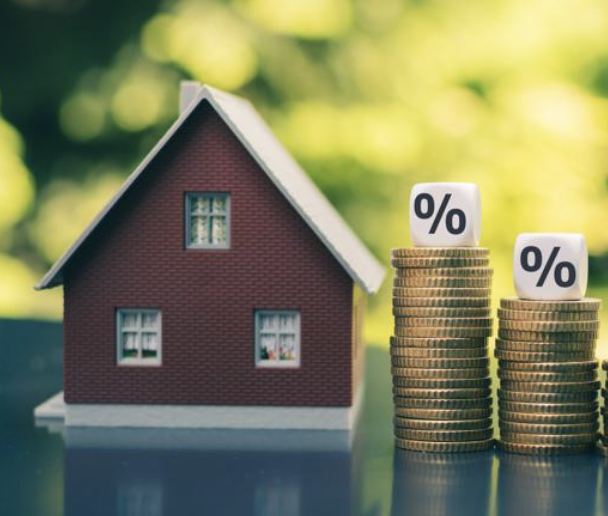
“While rates are technically at their highest level in more than a year, they haven’t exactly exploded with surprising, new momentum,” Matthew Graham, chief operating officer at Mortgage News Daily, told CNBC.
Graham said the increase has instead been a gradual move driven by inflation expectations, elevated bond issuance and continued economic resilience.
Iran War Reverses Expectations for Lower Rates
Mortgage rates had been expected to decline this year, but the war involving Iran and the resulting increase in oil prices have disrupted that outlook, CNBC reported.
The average 30-year fixed mortgage rate stood at 5.99% at the end of February, the day before the war began.
The difference has significantly increased borrowing costs.
A buyer purchasing a $450,000 home with a 20% down payment and a 30-year fixed-rate mortgage would have a monthly principal-and-interest payment of about $2,363 at current rates, according to CNBC. That is $207 more per month than the same mortgage would have cost at the end of February.
Higher rates also can reduce the number of potential buyers who qualify for mortgages because the larger monthly payments increase borrowers’ debt-to-income ratios.
Home Prices Also Moving Higher
The increase in borrowing costs comes as home prices are showing signs of accelerating again in some markets amid limited housing supply, CNBC reported.
U.S. home prices increased 1.5% in June from a year earlier, accelerating from a 1.2% annual increase in May, according to the S&P Cotality Case-Shiller Home Price Index.
Higher mortgage rates also continue to discourage existing homeowners from selling because many obtained significantly lower rates in previous years.
“As financing costs are kept high for prospective buyers, current homeowners remain reluctant to give up the low mortgage rates secured in prior years,” Rebecca Kaufman, associate director of commodities at S&P Dow Jones Indices, said in a statement.
That so-called mortgage rate lock-in effect has helped constrain the supply of homes for sale, adding another obstacle for buyers already confronting higher financing costs, CNBC added.