SANTA MONICA, Calif. — Nearly one in three new-car buyers who traded in a vehicle during the second quarter owed more on their existing auto loan than the vehicle was worth, underscoring the financial strain facing consumers as vehicle prices remain near record highs, according to Edmunds data.
USA Today reported the data show that with the average price of a new vehicle approaching $50,000, about 30% of new-car buyers who traded in a vehicle had negative equity — meaning they still owed more on their previous loan than the vehicle’s trade-in value.
Edmunds said the average amount of negative equity rolled into a new loan reached $6,884 during the second quarter, up from $6,754 a year earlier and the highest average for a second quarter since the automotive research firm began tracking the data.
‘More Debt Than Ever’
“Consumers are incurring more debt than ever when trading in vehicles that are underwater,” Jessica Caldwell, Edmunds’ head of insights, said in a statement cited by USA Today.
Caldwell said many buyers who purchased vehicles during the high-price environment of 2022 are now returning to dealerships with thousands of dollars in remaining debt on their existing loans.
“With interest rates still elevated, this is creating a costly snowball effect for consumers,” she said. “As buyers roll over their negative equity, their new loan principals swell. Relying on longer loan terms as a coping mechanism to keep monthly payments down only causes total interest charges to be higher in the long run.”
The Negative Equity Leaders
According to Edmunds, the vehicles with the highest average negative equity when traded in during the second quarter were:
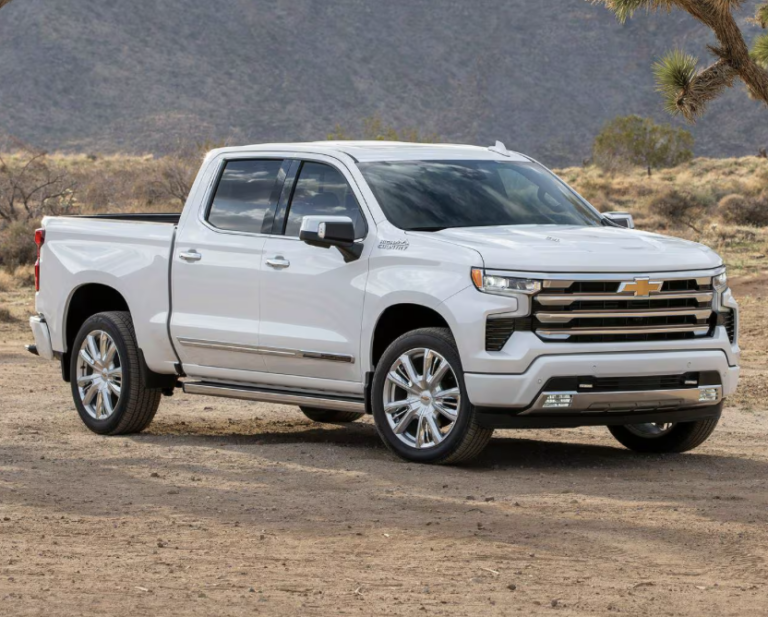
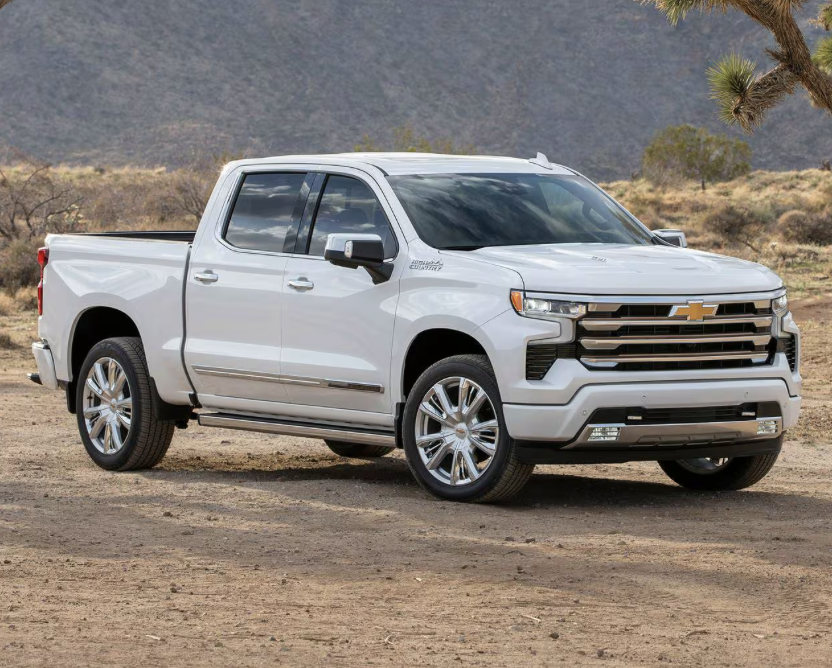
- Chevrolet Silverado 1500: $8,516
- Ford F-150: $8,417
- Ram 1500: $8,347
- Toyota Tacoma: $7,793
- Nissan Rogue: $7,260
- Toyota Camry: $7,030
- Toyota Corolla: $6,191
- Chevrolet Equinox: $5,668
- Honda Accord: $5,127
- Honda CR-V: $4,722
The vehicles ranged in average age from less than three years for the Toyota Tacoma and Toyota Camry to nearly five years for the Ford F-150, suggesting many consumers are returning to the market before paying off their previous loans.