NEW YORK — Rising gasoline prices and the sharpest annual increase in inflation in nearly three years are intensifying affordability concerns among U.S. consumers, with nearly seven in 10 Americans remaining financially unhealthy and a growing share delaying major purchases, according to a new report from J.D. Power.
The findings, published in J.D. Power’s May 2026 Banking and Payments Intelligence Report, indicate financial pressures that have lingered for years may be reaching a new inflection point as consumer prices climbed 3.8% in April from a year earlier — the largest annual increase since May 2023.
Based on responses from 4,000 consumers nationwide collected in April, the report found overall financial health remained largely unchanged, but anxiety over affordability has accelerated.
The Findings
According to J.D. Power:
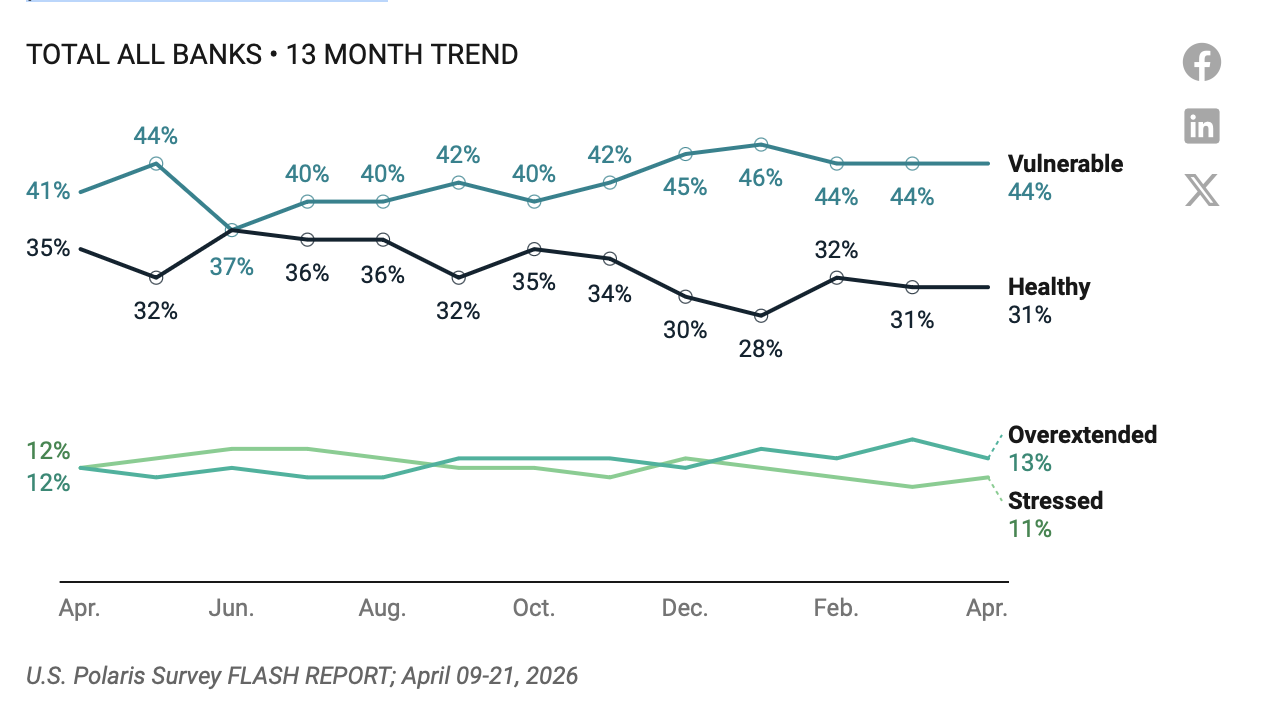
- 69% of U.S. consumers remain financially unhealthy, defined as vulnerable, overextended or stressed, unchanged from recent months.
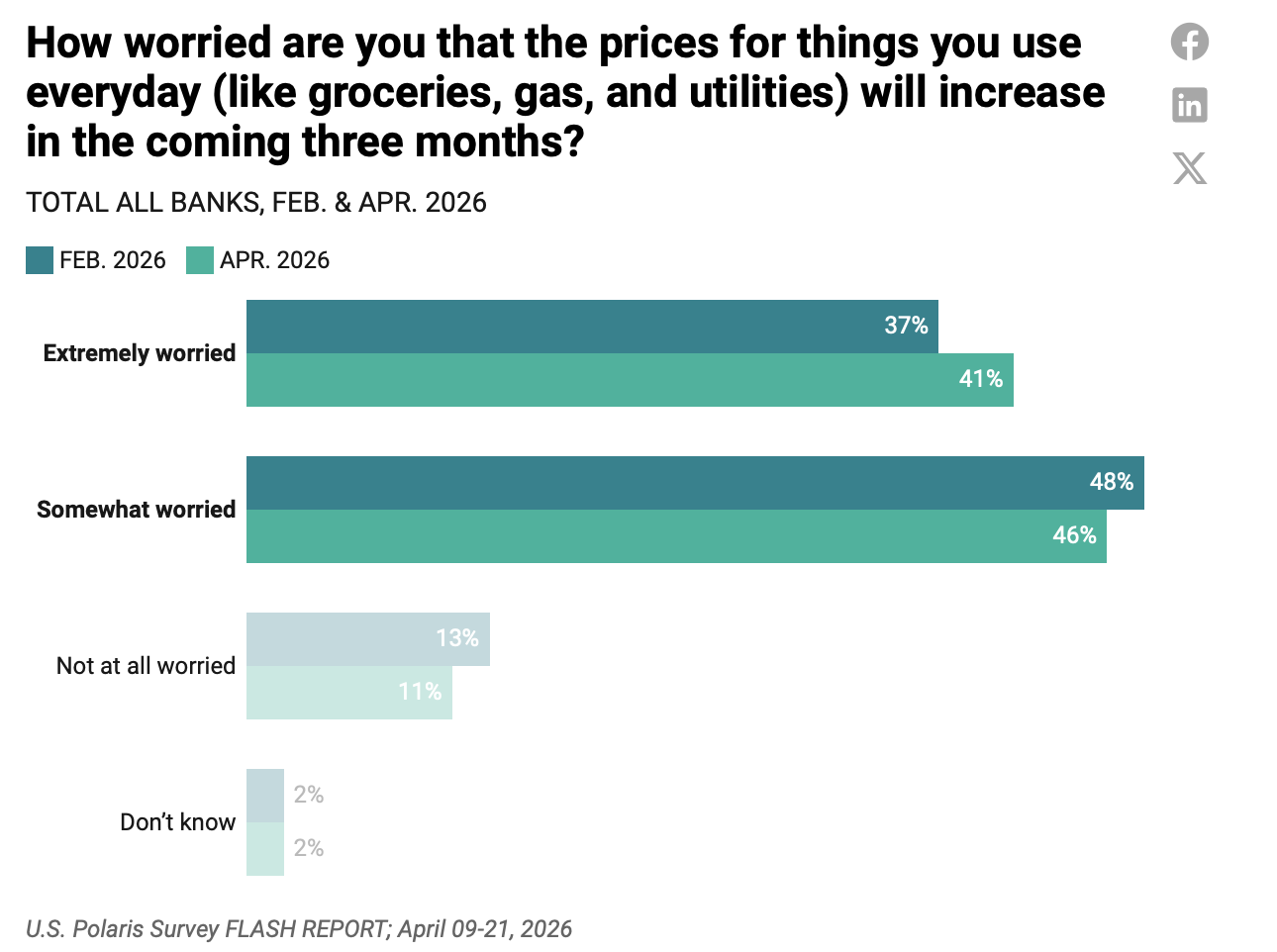
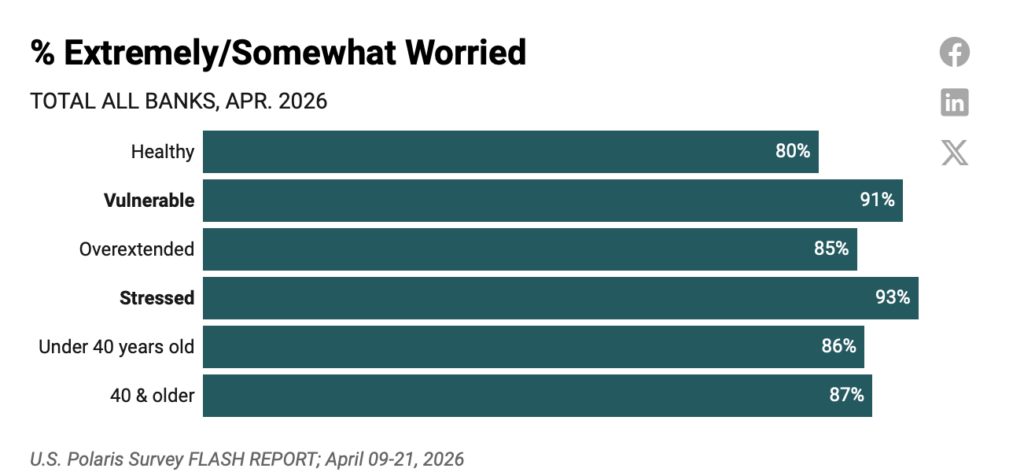
- 87% said they are at least somewhat worried prices for everyday items will continue rising over the next several months.
- 41% said they are extremely worried about rising prices, up from 37% two months earlier.
- 62% reported delaying larger purchases in the past month because of higher costs for everyday goods.
J.D. Power said affordability concerns are affecting broad segments of the population, including consumers who otherwise classify themselves as financially healthy.
‘Less Affordable’
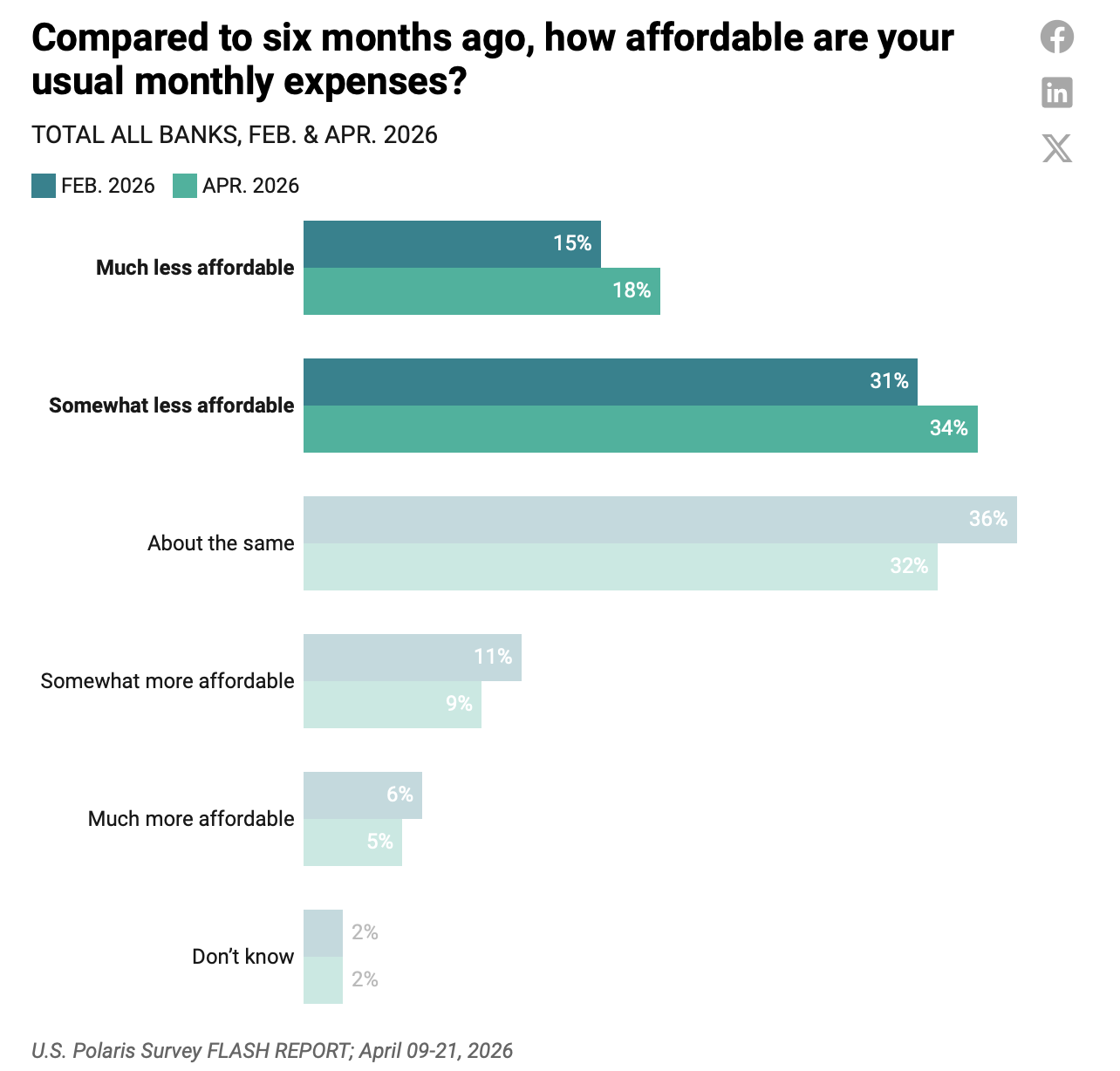
More than half (52%) of respondents said their normal expenses are less affordable than they were six months earlier, representing a six-percentage-point increase since February. That sentiment was strongest among stressed consumers (64%), vulnerable consumers (60%) and those older than 40 (57%), although 45% of financially healthy consumers also reported feeling less able to absorb routine costs — up nine percentage points from February.
Pumping the Gas
Fuel prices emerged as one of the most significant pressure points.
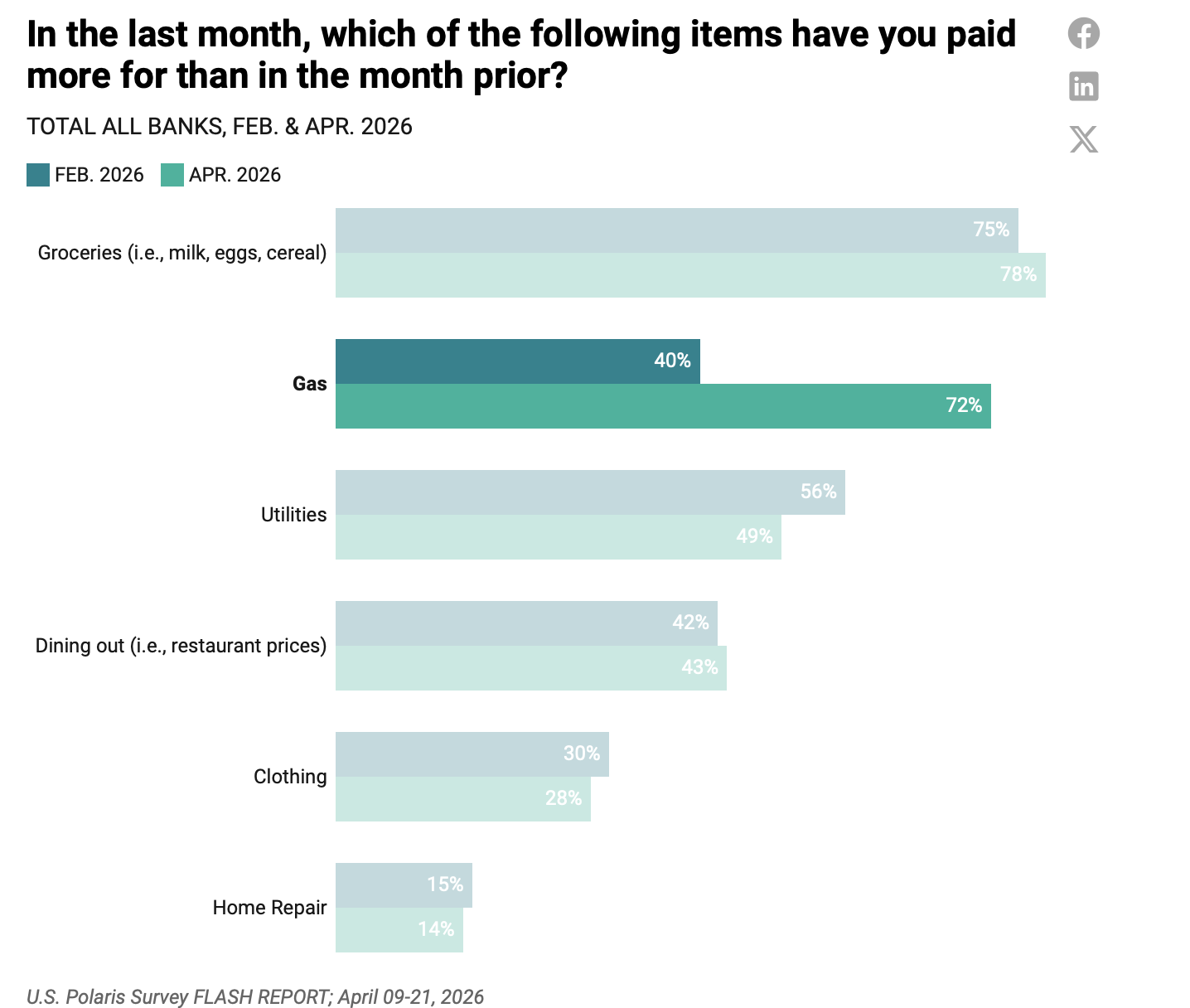
J.D. Power reported 72% of consumers said they paid more for gasoline than in the prior month, a 32-percentage-point increase from February. Grocery prices also remained elevated, with 78% reporting higher food costs, up three percentage points. The report noted the findings come as the Trump administration considers suspending the federal gas tax.
Those higher costs are increasingly influencing household decisions.
Among groups most likely to postpone larger purchases:
- 72% of vulnerable consumers delayed spending.
- 67% of consumers younger than 40 delayed major purchases.
- Even 46% of financially healthy consumers reported putting off spending.
Warning Shared
J.D. Power warned the sustained pressure could lead to broader financial consequences, including lower savings balances, higher debt loads, postponed homeownership, delayed retirement and consumers drawing from retirement accounts to meet emergency expenses.
The report suggested financial institutions that want to retain customers during prolonged economic strain may need to expand outreach efforts, including new lending options and budgeting and savings tools, while relying on trust developed through long-term relationships with consumers.
The Banking and Payments Intelligence Report was authored by Jennifer White, managing director of financial services intelligence at J.D. Power, and was based on survey responses gathered nationwide during April 2026.