

WASHINGTON — New NCUA Chairman John Crews discussed deregulation, technological innovation. the agency’s approach to risk-based supervision, his priorities and more during separate meetings with defense credit unions and America’s Credit Unions’ Congressional Caucus. https://www.americascreditunions.org
Crews appeared before DCUC’s Military Advocacy Committee, where he addressed credit union executives and participated in a question-and-answer session covering artificial intelligence, digital assets, stablecoins, cybersecurity and other issues confronting the industry.
The meeting provided defense credit unions with an early opportunity to engage directly with Crews following his designation as NCUA chairman in August. The NCUA has confirmed Crews is serving as chairman and a member of the agency’s board.
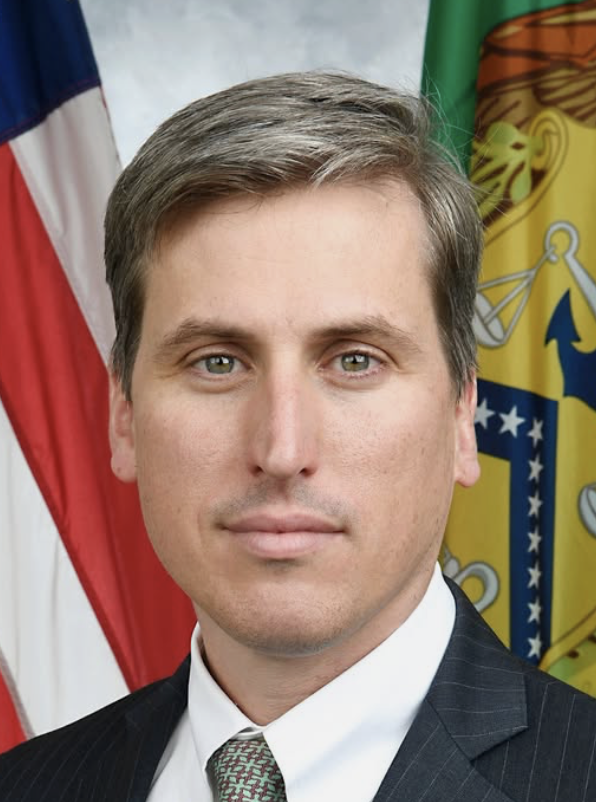
“Thank you for this invite and the opportunity to share more about the next chapter of NCUA and its work,” Crews said, according to DCUC. “I’m excited about the future of credit unions and the innovative approaches they are taking to meet the needs of member-owners.”
Deregulation, Risk-Based Supervision Discussed
According to DCUC, Crews discussed several priorities he previously raised during his Senate confirmation process, including expanding access to credit unions, strengthening risk-based supervision, preparing the agency and credit unions for technological change and encouraging the formation of new credit unions.
He also discussed regulatory modernization and greater engagement between the agency and the institutions it oversees, DCUC said.
Crews emphasized maintaining credit union safety and soundness while allowing the regulatory framework to evolve with changes in financial services, according to the organization.
The discussion included NCUA’s ongoing deregulation initiative, which is intended to review and modernize regulations and better align supervision with the risks and needs of individual institutions.
As the CU Daily reported, the NCUA Board—which remains a board of one–approved 11 final rules in August as part of that broader deregulation project.
DCUC said Crews identified certainty, durability and engagement as important principles for the agency, including providing clear supervisory expectations, pursuing regulatory changes that can endure over time and maintaining dialogue with credit unions about existing regulations and potential changes.
AI, Digital Assets Among Innovation Issues
Innovation was another significant focus of the meeting, according to DCUC.
The trade association said it stressed the need for clear and practical regulatory pathways allowing credit unions to responsibly adopt emerging technologies, including artificial intelligence, digital assets, stablecoins, modern payment systems and cybersecurity tools.
According to DCUC, Crews agreed credit unions should have the ability to pursue innovation based on their members’ needs while maintaining safety and soundness. He also acknowledged the role regulatory clarity can play as financial institutions enter new areas of financial services.
The discussion also addressed how credit union service organizations, shared technology platforms and other cooperative arrangements could help smaller institutions gain access to technology and specialized expertise, DCUC said.
DCUC has previously identified responsible financial innovation, cybersecurity, third-party oversight and regulation tailored to an institution’s size, complexity and risk profile among the issues it wants NCUA leadership to address.
Stablecoins, GENIUS Act Discussed
Crews also discussed NCUA’s coordination with other federal financial regulators, including work involving stablecoins and implementation of the GENIUS Act, according to DCUC.
The organization said the discussion emphasized the need for coordination among federal regulators to provide clarity and maintain appropriate regulatory treatment for credit unions as new digital asset rules are implemented.
DCUC has separately been pressing federal policymakers and NCUA to ensure credit unions are not disadvantaged as regulations governing stablecoins and other digital assets are developed. The organization filed comments with NCUA in August on customer identification requirements for permitted payment stablecoin issuers and in July on regulations implementing the GENIUS Act.
Military Financial Readiness
DCUC President and CEO Anthony Hernandez, a retired U.S. Air Force colonel, said the discussion also provided an opportunity to emphasize the particular role of credit unions serving military and veteran communities.
“This conversation underscored the importance of constructive regulatory engagement, especially as credit unions navigate innovation, competitiveness and the financial readiness needs of our nation’s military and veteran communities,” Hernandez said in a statement.
DCUC Chief Advocacy Officer Jason Stverak said the meeting allowed defense credit unions to raise questions about the agency’s future and the regulatory treatment of emerging technologies.
“Chairman Crews’ participation gave our members a meaningful opportunity to hear directly from the agency and reinforce how responsible regulation can protect members while supporting credit unions’ ability to serve,” Stverak said in a statement.
Crews Addresses Congressional Caucus
Separately, in his first in-person remarks before credit unions, America’s Credit Unions reported Crews told the trade group’s Congressional Caucus, “I want to emphasize the importance of being here in person, because I want to remind all of you how impactful it is for you all to be here today, talking to policymakers on the hill and regulators. When you share your stories, your experiences, your challenges, your successes, it absolutely helps us understand the real-world effects of our policies.”
According to America’s Credit Unions, Crews said his priorities as chairman are:
- Enabling access to financial services by facilitating safe and sound, resilient credit unions;
- Maintaining NCUA as efficient, effective, and risk-based in its supervision;
- Ensuring the agency is ready for technological innovation within the credit union system; and
- Supporting creation of de novo credit unions.
He further told the audience that NCUA’s Deregulation Project is an example of an effort that aligns with his priorities and stated, “the reforms and deregulation we are pursuing must be durable because the benefits of regulatory reform compound over time,” America’s Credit Unions reported.
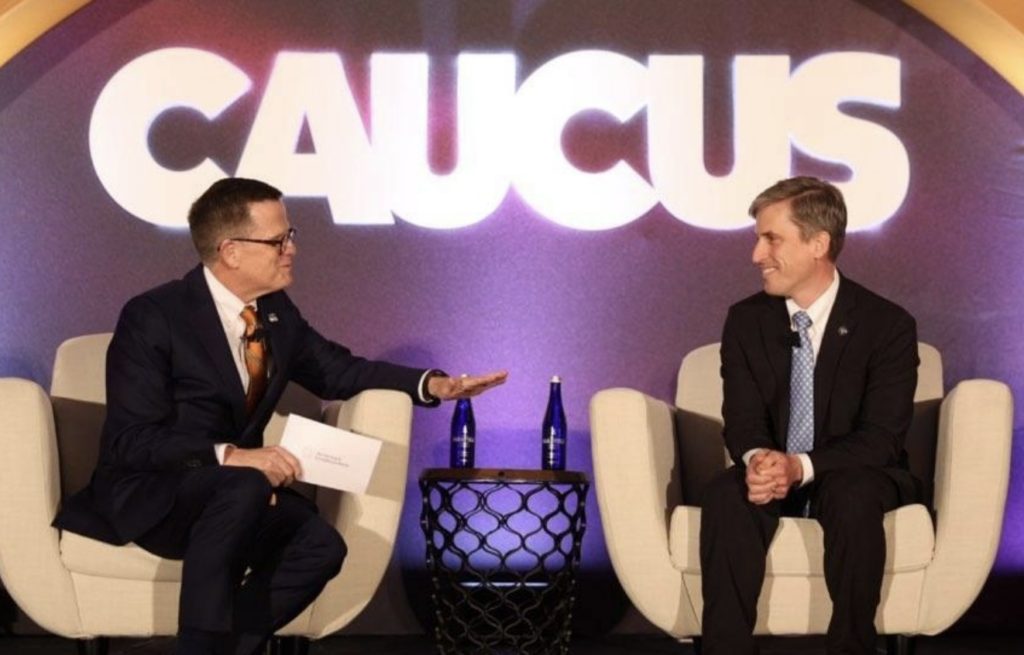
Fireside Chat Held
America’s Credit Unions said President/CEO Scott Simpson also joined Crews onstage for a fireside chat.
“Treasury Secretary Bessent and the President are very clear that they want to unlock our financial institutions, facilitate growth, facilitate ownership, with sustainable affordability, and I’m committed to that,” Crews said, adding that Caucus is “the start of an ongoing conversation” and encouraged credit unions to communicate regularly with the agency.
Senate Banking Chair Praises CUs
Separately, Senate Banking Committee Tim Scott (R-SC), who served on a credit union board for seven years, told the meeting, “The credit union mission and the tax status connected to it has to be protected. I believe without that protection, without that mission, there will be millions upon millions of Americans who will never experience their full potential and their definition of the American dream.”
Scott credited his own success in achieving the American dream to working with a credit union, according to America’s Credit Unions.
Two CU-Supported Bills Advance
America’s Credit Unions reported the House cleared two credit union-backed bills, with the trade group urging the bills be passed by Congress:
The bills are:
- Guarding Unprotected Aging Retirees from Deception (GUARD) Act (H.R. 2978), which would allow state and local law enforcement to utilize funding from existing federal law grants to combat financial fraud and calls for greater federal reporting on financial fraud trends. The bill passed with a 414-7 vote;
- Common Cents Act (H.R. 10167), which addresses the end of penny production by providing a national rounding standard and requires the Fed to develop a strategic plan and periodic reporting on coin terminal operations and the stability of the nation’s coin distribution system. The bill passed by unanimous voice vote
The Senate has passed a different version of the Common Cents Act; H.R. 10167 will now go to the upper chamber for consideration, America’s Credit Unions noted.



