WASHINGTON —Sen. Elizabeth Warren (D-MA) is again pressing federal banking regulators to take action on high credit card interest rates, renewing scrutiny of industry pricing and tying her concerns to ongoing proposals to cap rates at 10%, according to a letter sent this week.
In the letter, Warren urged the Federal Reserve, Office of the Comptroller of the Currency and Federal Deposit Insurance Corporation to use their authority to address what she described as persistently high annual percentage rates on credit cards, which remain near record levels.
Warren said regulators have failed to act despite rising borrowing costs for consumers, noting that average credit card interest rates are hovering above 20%.
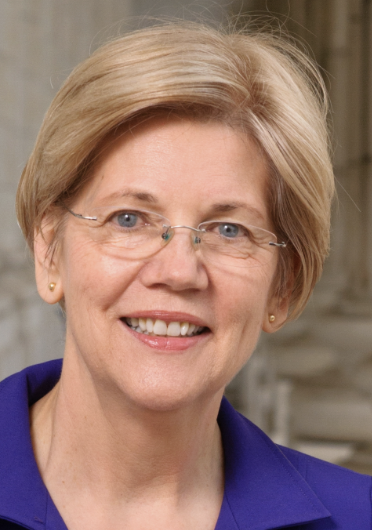
“Regulators have the tools to protect consumers from excessive interest rates, but they have not used them,” Warren said in the letter, as reported by Bloomberg.
Part of Broader Debate
As the CU Daily has been reporting, the Massachusetts Democrat’s appeal comes amid a broader policy debate in Washington over whether credit card rates should be capped. Warren has previously backed legislation that would limit rates to 10%, arguing such a cap would provide relief to households facing high borrowing costs.
Supporters of a cap contend it could save consumers billions of dollars annually and curb what they view as predatory lending practices tied to revolving credit. Credit card balances in the United States have climbed to more than $1 trillion in recent years, while interest rates have risen alongside Federal Reserve policy tightening.
The Pushback
However, credit unions and banking groups have pushed back, warning that a strict cap could lead lenders to tighten credit standards, reduce access for higher-risk borrowers and scale back rewards programs.
Warren’s latest letter does not establish a new policy proposal but instead seeks to pressure regulators to act under existing authority, potentially setting the stage for renewed legislative and regulatory efforts.
The regulators named in the letter have not publicly responded.