

WASHINGTON–The Senate has released its budget resolution, which opens a patch toward reconciliation, and has done so without any language that credit unions had been concerned about, such as that related to interchange or the credit union tax exemption.

“The credit union industry appreciates that the Senate’s targeted instructions for budget recommendation remained narrowly focused on areas under the jurisdiction of Judiciary and Homeland Security Committees,” America’s Credit Unions President and CEO Scott Simpson said in a statement. “This is a win for the industry and demonstrative of our strong bipartisan relationships. By remaining disciplined and intentional with our advocacy efforts, the economic and societal value credit unions provide to consumers and communities across the country is clear to Congressional leadership. We remain vigilant to ensure credit unions’ tax status is not considered for any pay-fors, now or in future reconciliation processes.
“Lawmakers know where we stand on this issue, and we look forward to working with Congress on solutions to affordability,” Simpson added.
DCUC Calls on Senate to Fully Fund CDFI Fund
Separately, the Defense Credit Union Council (DCUC) has submitted a letter to the Senate Appropriations Subcommittee on Financial Services and General Government for the record in advance of the upcoming hearing titled, “A Review of the President’s Fiscal Year 2027 Budget Request for the Department of the Treasury.”
In the letter, DCUC urged the Subcommittee to fully support and fund the Community Development Financial Institutions (CDFI) Fund at no less than the current enacted level.
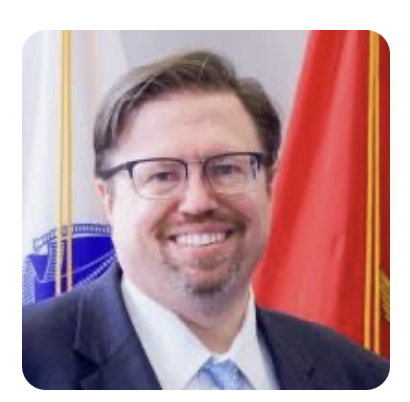
“Defense credit unions rely on this program to deliver affordable financial services, small-dollar lending, and financial readiness support to servicemembers, veterans, and military families particularly in underserved and installation-adjacent communities,” Chief Advocacy Officer Jason Stverak said in a statement. “We believe there is a pressing need for improved execution within Treasury, including reducing application complexity, accelerating award timelines, and ensuring that smaller, mission-driven institutions are not disadvantaged in accessing these critical resources.”
‘National Security Imperative’
Given the direct connection between financial stability and military readiness, DCUC further said that sustained investment in the CDFI Fund is not only sound economic policy but further translates to a national security imperative.
The letter also included DCUC’s suggested questions for the record for Treasury Secretary Bessent focused on funding levels, program structure, and Treasury’s administration of the CDFI Fund.
Letter Sent Ahead of Risk Hearing
On a separate note, DCUC engaged leaders of the House Financial Services Subcommittee on Housing and Insurance ahead of tomorrow’s hearing titled, “Diversifying Risk: The Benefits of Reinsurance and Credit Risk Transfers.” That letter can be found here.
DCUC said it used the letter to voice its strong support for prudent risk-sharing mechanisms that enhance market stability and protect taxpayers, while ensuring these frameworks remain accessible and workable for community-based lenders, including credit unions.
“We’re requesting the Subcommittee evaluate how credit risk transfer structures and insurance market reforms impact liquidity, operational access, and mortgage affordability for all communities served by credit unions, especially servicemembers, veterans, and their families,” Stverak said in a statement.
Policy Recommendations
DCUC offered several policy recommendations for the Subcommittee’s consideration, including:
- Ensuring transparency and oversight of credit risk transfer impacts on small and mid-sized lenders
- Advancing long-term reauthorization of the National Flood Insurance Program with private reinsurance and affordability safeguards
- Preserving and expanding credit union access to FHA, VA, Ginnie Mae, and Federal Home Loan Bank liquidity channels
- Promoting interagency coordination to address housing and insurance challenges in military communities



