WASHINGTON — The Supreme Court is expected Thursday to issue its ruling in the long-awaited case of Slaughter v. Trump, which could have broad implications for independent federal agencies, including the NCUA and litigation over the firing of members of its board.
In March 2025, President Donald Trump fired Federal Trade Commission Commissioner Rebecca Kelly Slaughter without citing a statutory cause, such as inefficiency, neglect of duty or malfeasance, as has historically been required under the FTC Act. Slaughter filed suit, arguing her firing was unlawful, and a federal district court and the U.S. Court of Appeals for the D.C. Circuit ruled in her favor, declaring the removal unlawful and ordering her reinstatement.
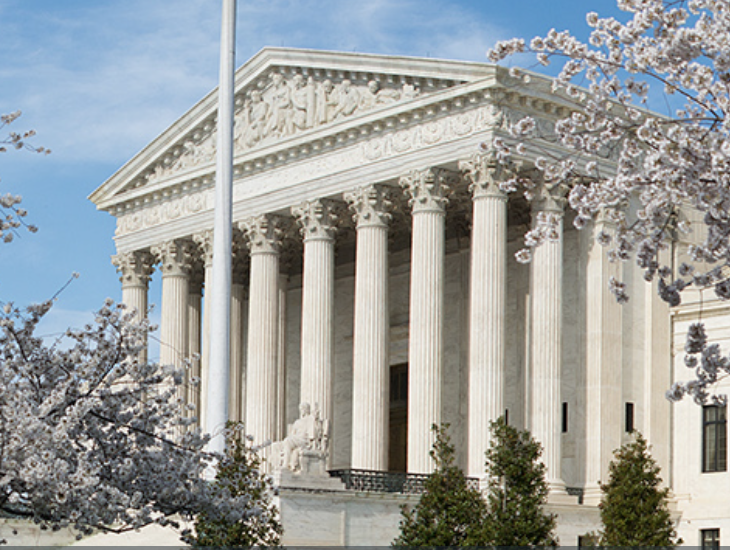
As the CU Daily has reported, the Trump administration appealed to the Supreme Court, which granted a stay pausing her reinstatement while the case proceeded. The court heard arguments in the case in late 2025.
The Central Issue
The central issue before the court is whether Congress’ statutory limits on a president’s ability to remove leaders of multi-member independent agencies violate the Constitution’s separation of powers. The case directly challenges the 90-year-old Supreme Court precedent established in Humphrey’s Executor v. United States (1935), which upheld the constitutionality of independent agencies and their removal protections.
The ruling is also expected to affect the lawsuit filed by former NCUA board members Todd Harper and Tanya Otsuka, who were fired by Trump in April 2025 and were briefly reinstated before another court removed them. Their case raises arguments similar to those in Slaughter.
Fallout for NCUA Case
Ann Petros, vice president of policy engagement and credit union operations at America’s Credit Unions, said the Supreme Court ruling is “likely to result in the D.C. Circuit reevaluating” the lawsuit brought by Harper and Otsuka.
Should Harper and Otsuka be returned to their positions, it would create a 2-1 Democratic majority on the board.
The CU Daily will have full coverage.