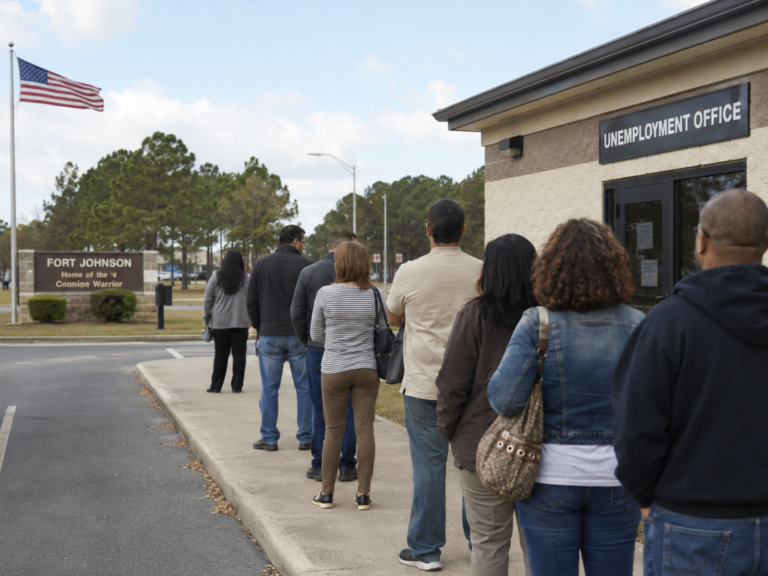
WASHINGTON—As Memorial Day weekend approaches, a new credit union-backed study has found military spouse unemployment remains above 20%, despite years of public- and private-sector efforts. The issue persists even though military spouses are significantly more likely than the general population to hold advanced degrees.
That’s according to a new three-year longitudinal study released by a coalition led by Navy Federal Credit Union, PenFed Credit Union, USAA, Blue Star Families and the D’Aniello Institute for Veterans and Military Families.
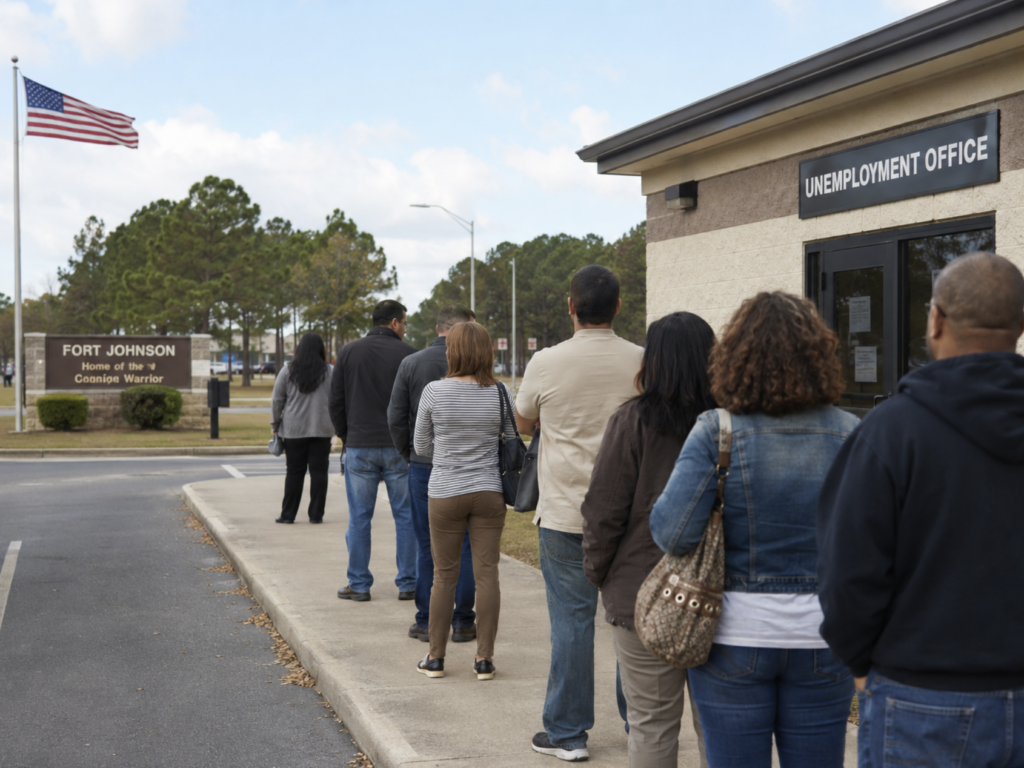
According to the study, military spouse unemployment has remained at more than twice the national average for more than a decade, while 43% of military spouses hold advanced degrees—more than three times the national average—yet many remain overqualified and underpaid. Researchers said the findings point to systemic barriers including frequent relocations, limited workplace flexibility and cumulative career interruptions throughout military life.
The findings were released during the Military Spouse Employment Summit at the Milken Institute in Washington and are based on a three-year effort that followed the same military spouses over time to track changes in employment outcomes and career progression.
Barriers Not in Isolation
According to the study, employment barriers do not occur in isolation but compound over time, affecting long-term career and financial outcomes. Researchers said factors that most strongly supported sustained employment included mentorship, workplace flexibility and career portability. The study found those factors—not demographic characteristics or military branch affiliation—were the strongest predictors of employment stability over time.
The coalition said it also developed a Corporate Employer Playbook designed to provide employers with evidence-based strategies for recruiting and retaining military spouses. According to the study sponsors, the guide offers recommendations intended to improve employment stability and create hiring and retention practices that better account for the realities of military life.
The Goal of Research

Blue Star Families CEO Kathy Roth-Douquet said the research is intended to move discussion beyond defining the problem and toward evidence-based solutions, arguing that improving access to adaptable careers for military spouses supports family stability, military readiness and local communities.
The coalition said it is encouraging employers, policymakers and community organizations to adopt the recommendations and support initiatives aimed at creating more portable, flexible and sustainable careers for military spouses.