MIAMI — California is home to seven of the 10 U.S. cities with the highest average household credit card debt, according to a new analysis by personal finance website WalletHub.
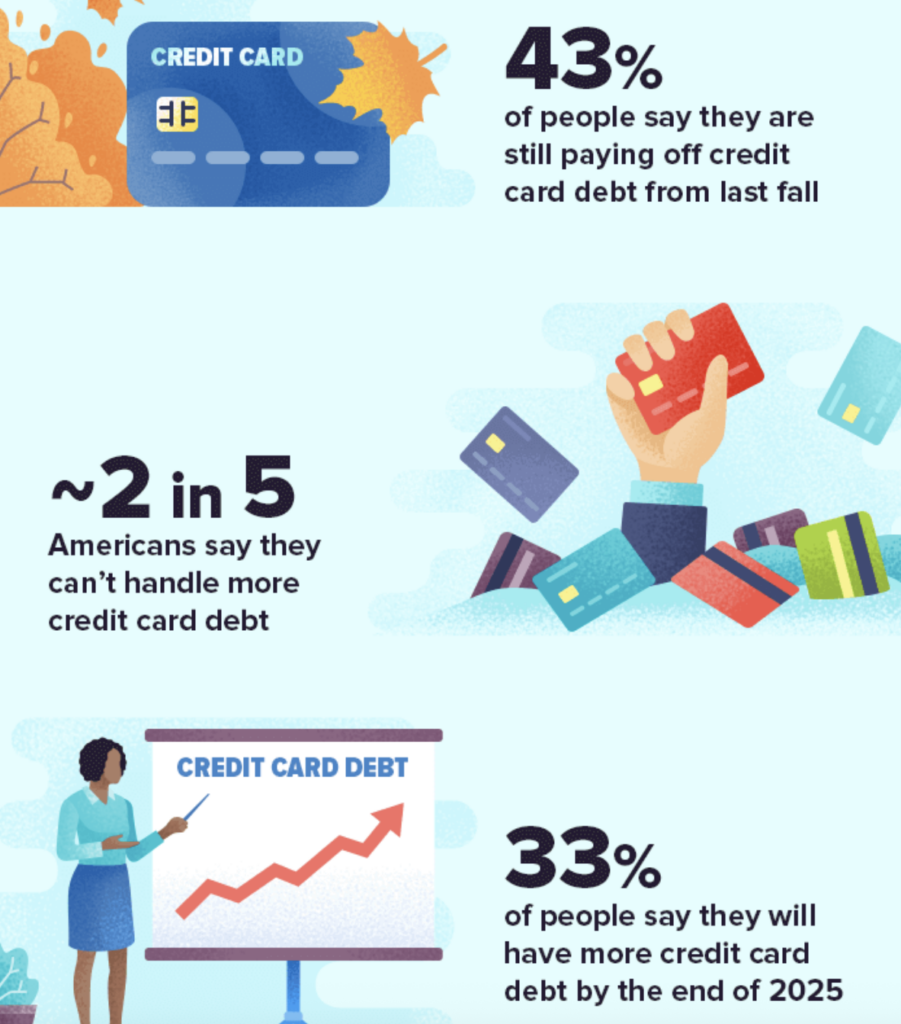
The study comes as Americans collectively owe an estimated $1.35 trillion in credit card debt—mo re than $11,000 per household—with balances projected to increase by another $100 billion by the end of the year, WalletHub reported.
WalletHub analyzed 182 of the nation’s largest cities, including the 150 most populous cities and the two largest cities in each state, using the latest consumer finance data from TransUnion and the Federal Reserve. Household credit card balances were adjusted for inflation.
The Top 10
According to WalletHub, the top 10 cities with the highest average household credit card debt:
- Santa Clarita, California — $23,714
- Chula Vista, California — $20,778
- Pearl City, Hawaii
- New York City, New York
- Rancho Cucamonga, California — $19,619
- Gilbert, Arizona
- Fontana, California
- Oxnard, California
- Moreno Valley, California
- Santa Ana, California
Santa Clarita topped the list with average household credit card debt of $23,714, representing approximately $1.8 billion in total credit card debt among city residents.
City Also First in Repayment
Despite carrying the nation’s highest average balances, WalletHub noted that Santa Clarita also ranked first nationally in household debt repayment during the first quarter of 2026 in a previous study, suggesting residents generally have both high credit limits and the financial capacity to manage larger balances.
Chula Vista, which ranked second with average household credit card debt of $20,778, also ranked eighth nationally for debt repayment during the first quarter.
Rancho Cucamonga ranked fifth, with average household credit card debt of $19,619, totaling approximately $1.15 billion across the city’s households.
Shared Characteristics
According to WalletHub, cities with the highest household credit card balances tend to share several characteristics:
- Higher median household incomes.
- Higher rates of paying down credit card debt.
- Lower delinquency rates.
“This indicates that residents may simply have high credit card limits and can afford to borrow more,” WalletHub analyst John Kiernan said in the report.