

WASHINGTON— As the clock continues to tick toward Sept. 30, when the federal government’s fiscal year will end and new funding will be needed to keep it open, it could mean an opportunity for new amendments to be proposed in Congress that credit unions both support and oppose.
The need to pass funding for the federal government, whether it be a short-term continuing resolution (CR) or a longer-term plan, will likely mean action on the National Defense Authorization Act (NDAA) could be pushed back later into the congressional session.
As the CU Daily has been regularly reporting, credit unions have been actively lobbying Congress for both the inclusion of certain amendments (such as the CDFI Transparency Act, legislation related to NCUA’s Central Liquidity Facility, and changes to the thresholds of CTR/BSA reporting) and the exclusion of others (the Credit Card Competition Act).
The CU Daily’s most recent coverage of what credit unions want to see as amendments to the NDAA can be found here.
The Candidates
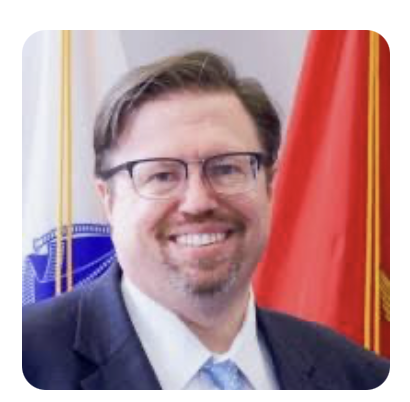
Jason Stverak, chief advocacy officer with the Defense CU Council, said if Congress plans to use the NDAA to carry noncontroversial issues, the CLF legislation would be a good candidate.
He noted the group has also encouraged Congress to “take a look at the handcuffs that have been placed on credit unions with the MBL cap.” Stverak was referencing legislation that would permit business loans made to veterans to not count against the 12.25% member business loan cap at credit unions.
That legislation, he said, would provide “capital to start small businesses all across this country that is sitting on the sidelines” so that “credit unions, particularly defense credit unions, can come off the sidelines and help those veterans as they transition out of active service to help start their careers.”
The House Rules Committee this week is expected to start processing amendments to the NDAA, while the Senate—which continues to work through the legislation—will spend time on nominations through the first part of the week.
Looking for Funding Deal
All of that, however, will likely get backburnered as Congress looks for a deal to fund the government with a limited number of workdays on the calendar.
Asked by the CU Daily whether a ticking clock on the budget deal would likely mean fewer or more amendments added to the NDAA, Stverak said he expects Congress will “triage” some sort of agreement to keep the lights on, while pushing the NDAA back.
“If there is more time there is more of an opportunity for House members and Senate members to propose new additions and new amendments to be considered,” Stverak said. “I would expect more amendments to come out from members as they try to deal with other issues and see the NDAA as a must-pass vehicle.”
In the meantime, DCUC continues to remind credit unions that any government shutdown will mean members missing paychecks and that CUs should remind their membership that resources are available. DCUC also has related information available here.

Letters Sent to Hill
DCUC has sent a number of related letters to Capitol Hill, including:
• A letter to FHFA Director Pulte highlighting the “importance of ensuring mortgage processes maintain integrity while recognizing credit unions’ role in supporting borrowers.” DCUC’s letter emphasized credit unions’ commitment to delivering the highest level of service and fraud prevention.
• Letters to the House and Senate Armed Services Committees, urging inclusion of Sen. Cramer’s CLF amendment in the NDAA—an effort previously supported by NCUA and advanced in prior years’ bills. DCUC also encouraged inclusion of the Veterans Member Business Loan Act (VMBLA) to lift the MBL cap for veterans, enhancing small business capital access.
Congressional Hearings
Separately, credit unions will be monitoring several hearings of interest on Capitol Hill, including:
Today
• The House Financial Services Committee will have a hearing on the Financial Crimes Enforcement Network with Director Andrea Gacki.
• The House Financial Services Committee will also have a hearing about the health of the banking sector. The House Appropriations Committee will mark up the Labor-HHS spending bill.



