

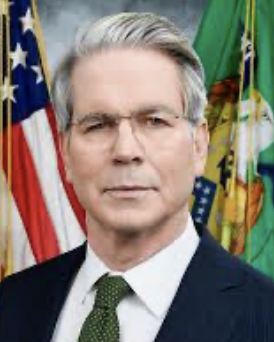
WASHINGTON — Treasury Secretary Scott Bessent said the Trump administration’s push to roll back banking regulations and reduce compliance costs would help offset any revenue losses financial institutions might face if a proposed 10% cap on credit card interest rates takes effect.
Speaking in remarks this week, Reuters reported Bessent argued that banks and credit unions are benefitting from a lighter regulatory burden that is lowering er operating costs, improving efficiency and providing flexibility to adapt to changes in consumer credit pricing.
“Lower compliance and regulatory costs free up significant resources across the financial system,” Bessent said, according to Reuters. “Those savings can more than compensate for reduced interest income, while still allowing institutions to serve customers and extend credit responsibly.”
Sharp Criticism
As the CU Daily has been reporting, President Donald Trump has called for a temporary 10% cap on credit card annual percentage rates, a proposal that has drawn sharp criticism from financial institutions and some analysts, who warn it could reduce credit availability, particularly for higher-risk borrowers.
Industry groups have also said interest income from revolving balances plays a central role in underwriting rewards programs, covering fraud losses and absorbing credit risk.
According to Reuters, Bessent rejected those concerns, saying the administration is focused on removing what he described as “duplicative and outdated” rules that have driven up compliance costs for years. He said regulatory relief would allow institutions to operate more efficiently and better manage pricing changes.
Reuters noted analysts remain divided on whether regulatory savings would be sufficient to offset a sharp reduction in credit card revenue, especially if the cap were broadly applied and enforced by federal regulators.
Discussion is ‘Not Unreasonable’
In addition, Bessent said it is not unreasonable to have a discussion on the practices of credit card companies.

“I think that there are a lot of things that we can look at with the credit cards in terms of their practices, in terms of their behaviors, and we’ll see where that goes,” Bessent said in an interview with CNBC from the World Economic Forum in Davos.
Sen. Elizabeth Warren (D-MA), a longtime consumer financial protection advocate, said Trump reached out to discuss his proposal to cap credit card APRs at 10%.
‘Poorest Members Shouldn’t Pay the Most’
“I would say that in terms of direction, that the president the administration, agree with many of Sen, Warren’s policies that the poorest members of society shouldn’t pay the most,” Bessent told CNBC. “But she wants to control credit. She wants to put in more regulation” that he said led to the failure of small and community banks.
That has led to the opposite result, Bessent said.
“But again, I think it is not unreasonable to have a discussion on the practices of these credit card companies,” Bessent added.



