

DAVOS, Switzerland— In remarks Wednesday at the World Economic Forum in Davos, Switzerland, President Trump repeated his call for a one-year cap of 10% on credit card interest rates, a proposal that has drawn strong pushback from financial institutions and issuers, including credit cards.
Trump linked high credit-card debt to broader affordability challenges, saying lower rates could help families save for goals such as homeownership.
The call came one day after a deadline Trump had announced for such an interest rate cap to be put in place, but he announced no formal executive order or mechanism for enforcing it, and the deadline passed with no changes.

Numerous legal analysts have also challenged the president’s authority to implement such a cap, saying it is the purview of Congress.
Rates as High as 32% Cited
In his remarks in Davos, the president said lenders now charge rates as high as about 32%, and he urged Congress to act to implement the 10% cap. There is currently no bill before Congress that would require such a cap, although separate comments by Trump have led to the resurrection of the Credit Card Competition Act, which puts a cap on credit card interchange fees for larger institutions.
Both banks and credit unions have said a 10% APR cap on credit cards would lead to a strong reduction in access to credit, the loss of rewards programs, and more.
America’s CUs: Plan Will ‘Opposite Effect’ of Intended Consequences
“While credit unions uphold a shared desire with the president to make life more affordable for American households, a one-year, 10 percent government induced cap on credit card interest rates would have the opposite effect on affordability for many consumers,” America’s Credit Unions President and CEO Scott Simpson said in a statement. “Experience shows that rigid and arbitrary rate caps do not lower costs, they restrict access to affordable products for families who need them the most.
“As Congress considers this proposal, lawmakers should reject a policy that would shrink access to credit and harm the very families it aims to help. Instead of advancing a rate cap that risks cutting consumers off from credit, the public would benefit if Congress focused on expanding access to institutions that already deliver affordability and financial stability for more than 145 million Americans: credit unions,” Simpson continued.

The trade group noted federally chartered credit unions cap credit card interest rates at 18 percent, and many offer options well below that, with rates for classic cards averaging near 12 percent, according to the National Credit Union Administration.
‘Proven Model’
“There is already a proven, market-based model delivering affordability at scale for American households. Credit unions are member-owned, not-for-profit community focused institutions that price credit to serve people, not maximize profits,” Simpson stated. “They operate under existing statutory limits and consistently offer lower rates without government mandates.
“From their onset, credit unions were built to serve consumers first, and that purpose continues to translate into real financial benefits for millions of Americans,” Simpson added. “Every day, credit unions deliver lower borrowing costs and real savings, with credit card rates that are significantly below market averages and meaningfully reduce the cost of credit for working families.”
DCUC: Cap Would ‘Harm’ Military Families
Following the president’s comments, the Defense Credit Union Council released a statement repeating its position that a blanket 10% rate ceiling would harm military families and working Americans by reducing access to responsible credit and producing “serious unintended consequences.”
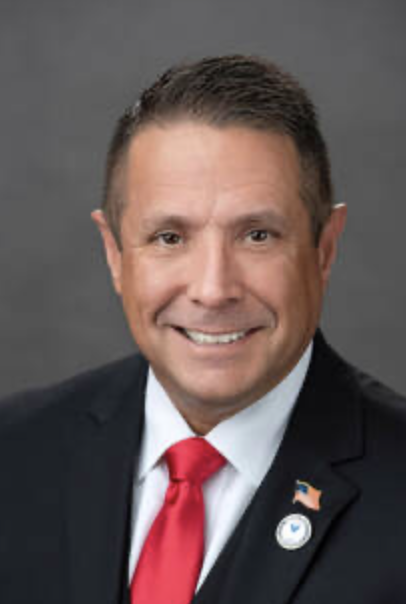
“Credit unions already operate under a statutory interest-rate cap that is significantly lower (18%) than what applies to banks and many other financial institutions,” Jason Stverak, chief advocacy officer with DCUC, said in a statement. “And that cap has existed for decades, reflecting the credit union mission of putting people over profits, not maximizing shareholder returns.”
DCUC again warned that imposing an across-the-board 10% APR cap, however well-intentioned, would “likely backfire on the very consumers it aims to help…A rigid federal cap would likely reduce access to credit by limiting credit unions’ ability to serve higher-risk borrowers,” Stverak said. “Many credit unions would be forced to tighten underwriting standards or scale back credit card and small-dollar lending altogether. That outcome would disproportionately affect young servicemembers, junior enlisted personnel, and lower-income members who do not yet have prime credit profiles.”
Emergency Help for Servicemembers
“Credit unions routinely provide small-dollar loans, emergency credit, deployment-related relief, and short-term financial assistance to servicemembers facing unexpected expenses,” DCUC President and CEO Anthony Hernandez, , Ret, USAF Colonel, said in a statement. “These are precisely the kinds of responsible lending options that could become unsustainable under an arbitrary 10% cap. Many of these critical services could become unsustainable. Military families deserve policies that strengthen their financial security, not policies that unintentionally jeopardize it by limiting access to trusted, affordable credit.”

DCUC said that in practice, a 10% cap might mean fewer military members would qualify for any credit at all from reputable institutions.
“For example, many credit cards today charge around 18–24% APR based on risk; capping rates at 10% would force credit unions to approve cards only for the most creditworthy applicants and deny many young borrowers, leaving them with no safe borrowing options,” DCUC said.
Additional Concerns
In its statement, DCUC also:
- Expressed concern that artificially capping rates does nothing to eliminate the underlying need for credit; “it merely drives borrowers to more dangerous alternatives.”
- Said a sweeping interest rate cap threatens the broader service model that credit unions provide to military communities. “Credit unions use the modest income from interest on loans to fund member services, everything from financial counseling and budget coaching to fraud protection, free account services, and relief programs for military families in hardship,” it said.
- Noted credit unions often operate on or near bases, where they play a unique role in promoting financial readiness and stability for servicemembers, and that a 10% cap would cut revenue used to support such programs.
‘Targeted Approach’
DCUC also called for a more nuanced, targeted approach to protect consumers from predatory practices without cutting off access to affordable credit, including:
- Expanding Financial Education and Counseling:
- Promoting Responsible Lending Models
- Cracking Down on Predatory Actors:



