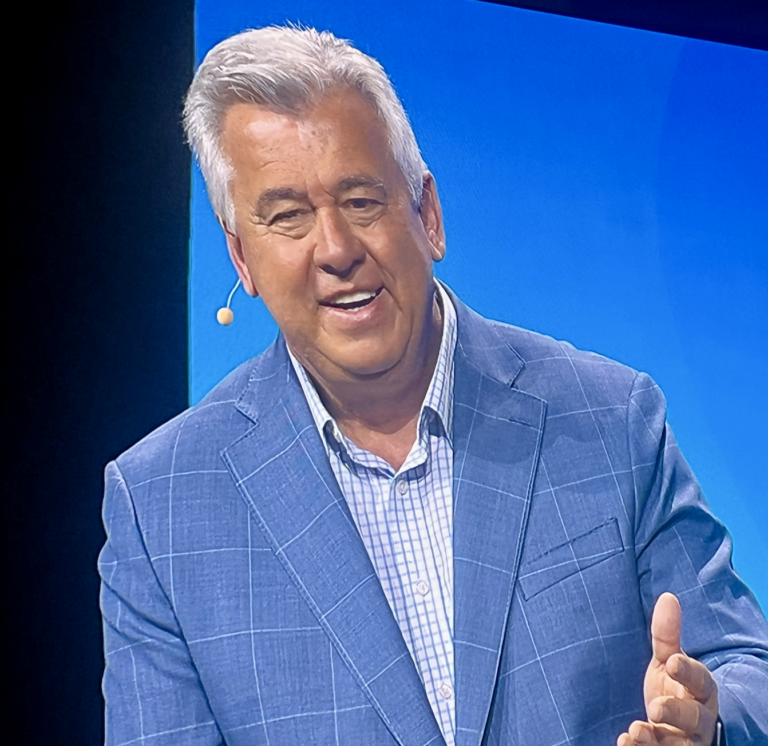
ORLANDO–A panel of CEOs gathered here discussed everything from scale to tech to small CUs to the pressure they feel in their positions.
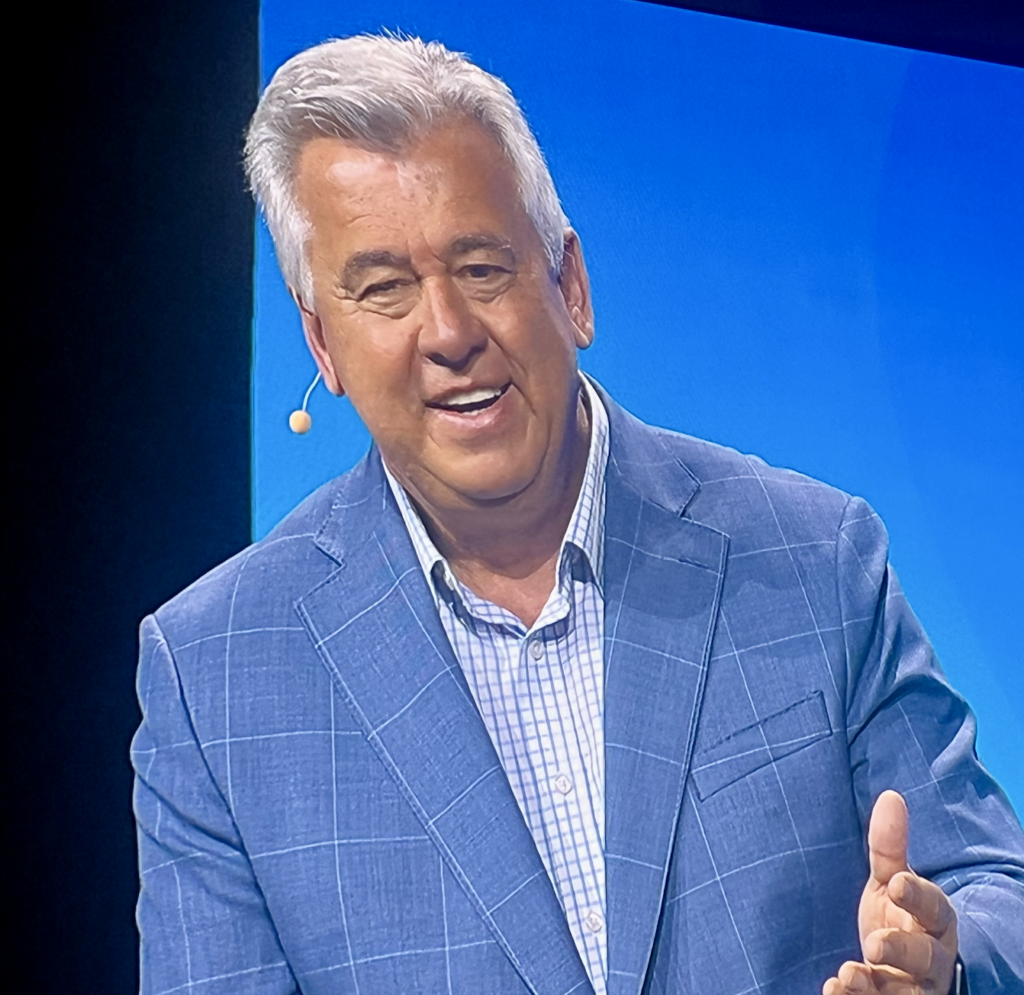
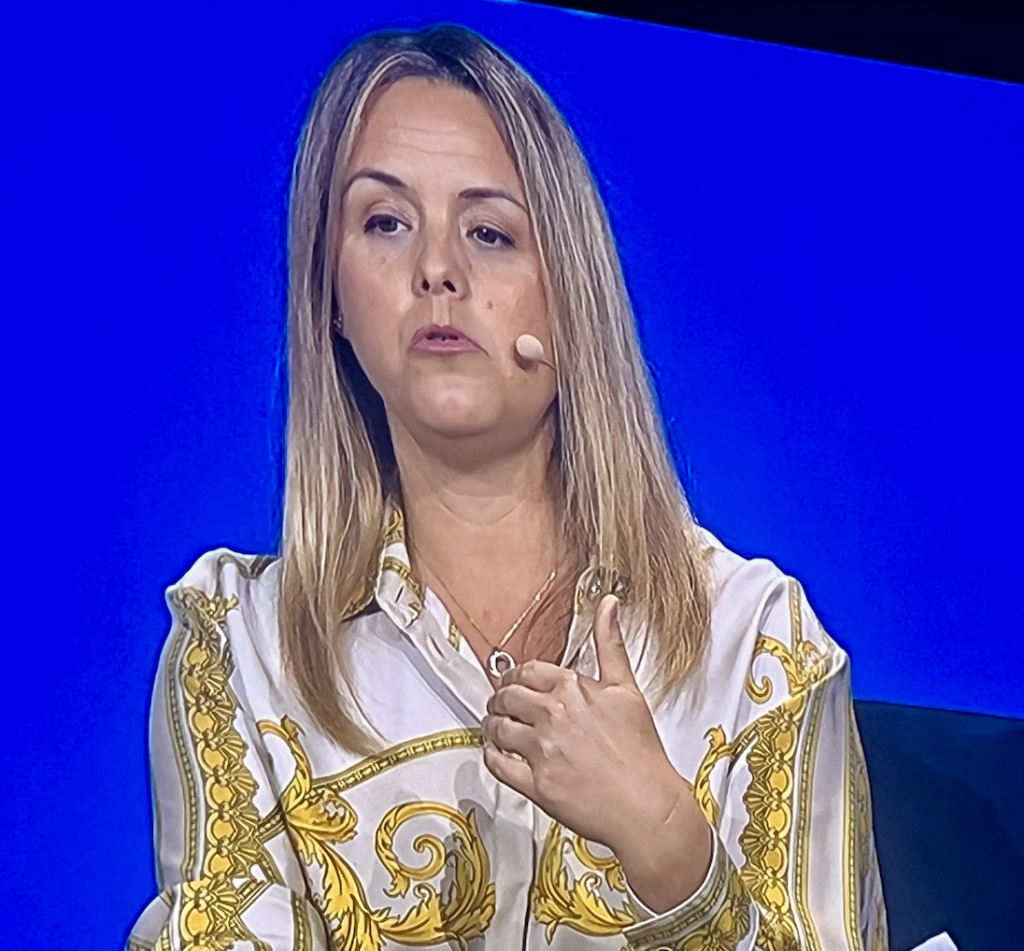
Participating in the CEO panel discussion at the VeleraLIVE conference were Maria Renik, CEO of Farmers Insurance FCU in California; Ken Semus, CEO of St. Mary’s Bank in New Hampshire, Mike Valentine, CEO of BCU in Illinois, and Caroline Willard, CEO of the Cornerstone Credit Union League. The discussion was moderated by Mark Sievewright of Sievewright & Associates.
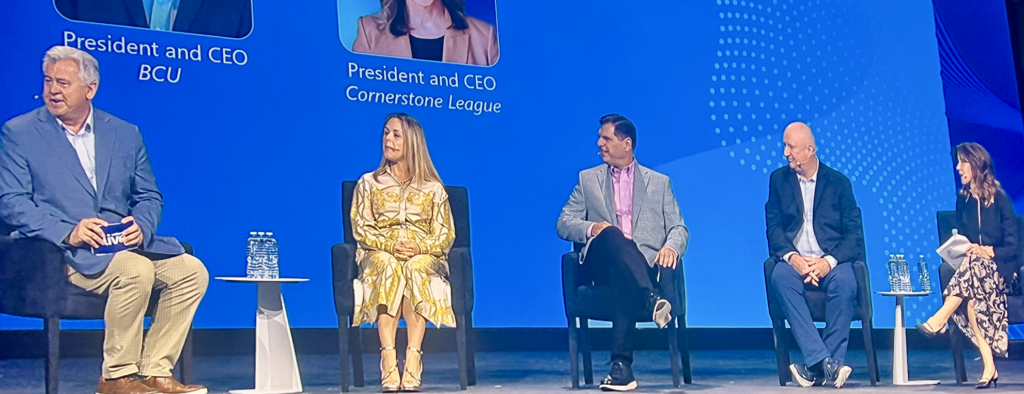
Here is a look at some of what was discussed:
Sievewright: Let’s talk about scale. You became CEO a year ago. Talk to me about scale and how you look at growth.
Renick: We support a nationwide SEG and currently operate seven branches across six different states. It’s a unique model. About 60% of our members are tied to Farmers, which creates both opportunity and concentration risk.
Frankly, I have a good problem—one many of you would love to have. We have more demand for high-quality loans than we can fulfill. But scale is paramount to our ability to compete—not just with community banks, but with institutions like Chase.
I’ve had district managers tell me, “We love the credit union, but Chase is everywhere.” They can walk into a Chase Private Client program and feel like a king. I say, “You’re welcome”—because I helped develop that program when I was at Chase.
Scale is critical to our success, including diversifying our member base. Being 60% weighted to Farmers drives many of our decisions. I don’t think you choose between organic or inorganic growth—you have to do both. You need to maximize and optimize your core resources. And if you have high concentration risk, you need to be thinking about scale. Costs are rising, and spreading those costs over a larger base makes everything more manageable.
Semus: As Maria mentioned, technology plays a huge role. We need to allow members to bank how they want, where they want, and when they want. But that technology comes at a cost.
The more fintechs we integrate and the more digital solutions we provide, the higher the cost. Whether a member is five minutes from a branch or two hours away, they expect the same experience. That’s why scale is so important—it allows us to deliver those capabilities effectively.
Valentine: There are many examples of this, especially within the SEG model. One that stands out is a credit union we worked with tied to Target stores. It started in 1940 and had about $20 million in assets when we merged. Their board said they were struggling to serve their 400,000 (employees) nationwide. They simply didn’t have the resources. Today, that same business is a billion-dollar operation for us because we were able to scale it. That level of growth would not have been possible in their original model.
That said, I don’t believe in scale for the sake of scale. Growth has to make sense. In our model, we’ve always been focused on SEG opportunities that align strategically.
Sievewright: Your constituents in the Cornerstone League—85% are under $500 million in assets. How do you see those credit unions surviving and thriving?
Willard: Our number one priority is improving the operating environment for credit unions. We are constantly working to reduce regulatory burdens—though not eliminate them entirely, because guardrails are necessary.
We also have a for-profit service corporation that provides scale-based services—things like interim CEO and CFO support, IT consulting, and more. For example, at Frontier Community Credit Union in Leavenworth, Kansas, we identified duplicate cybersecurity services they were paying for. By reviewing things objectively, we helped eliminate unnecessary costs.
That’s what service corporations do—we provide scale, buying power, and expertise to help credit unions operate more efficiently.
Sievewright: When it comes to technology investment, AI is everywhere. As CEOs and leaders, how do you view AI?
Semus: AI and automation are growing rapidly. We’re using them extensively to automate repetitive tasks so employees can focus on higher-level thinking.
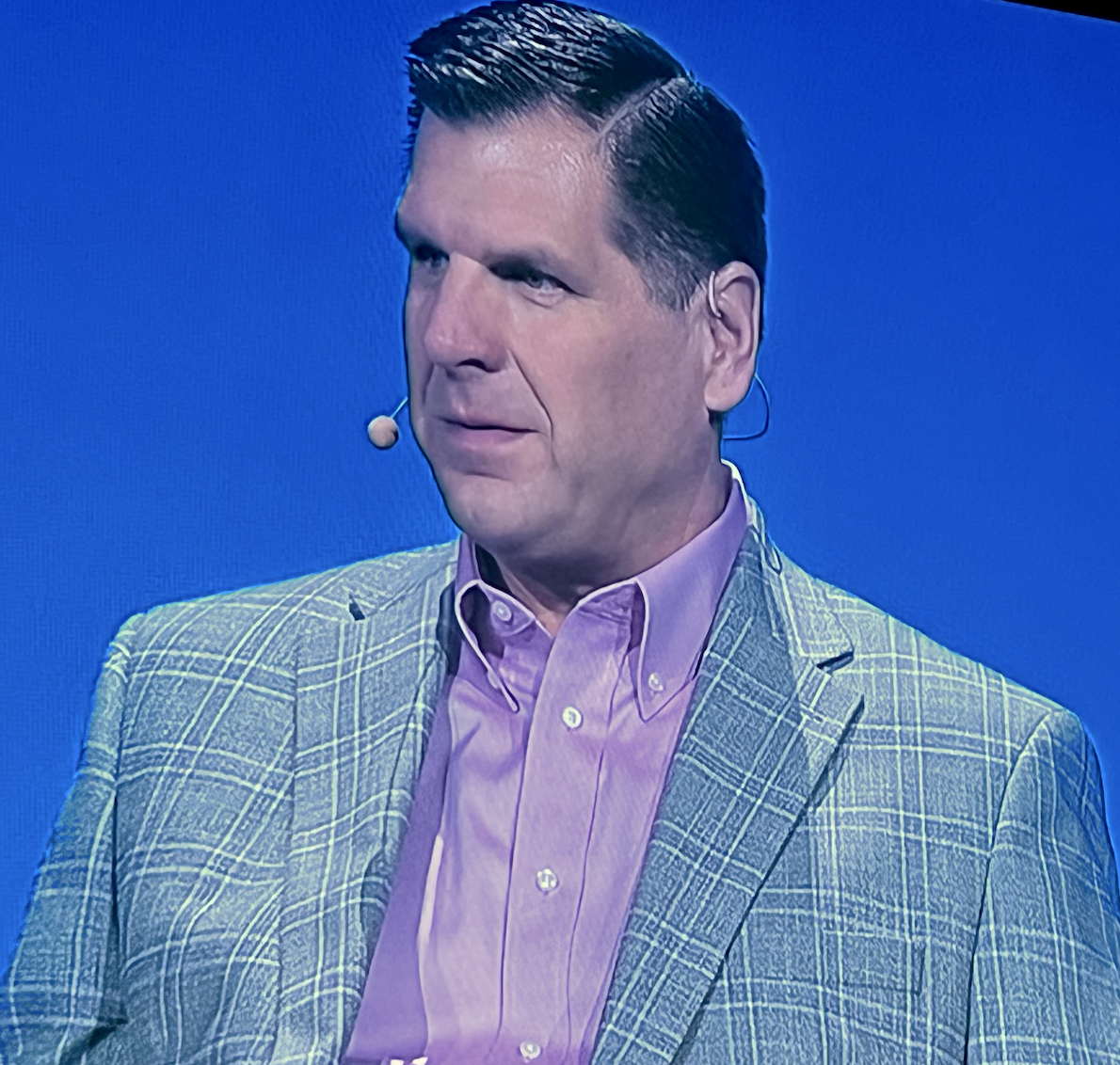
On the API side, the power is incredible. We can interact with members in the ways they prefer—whether that’s talking to a person or using chat. AI also enables better decision-making. For example, in dispute management, we can assess whether a claim is legitimate more efficiently. The possibilities right now are truly amazing.
Resnik: I love AI. I started working in AI back in 2019, before joining credit unions. At the time, no one knew what ChatGPT was. I was working at a big data company using machine learning and large language models, even collaborating on early GPT development with Microsoft.
The technology has evolved rapidly. We used to teach machines—now machines teach machines.
At our credit union, we use tools like Claude, ZestAI, and others for data analytics. About 35% of our members are small businesses, so we handle a lot of commercial loans and documentation. AI helps us process and analyze all of that.
We’re also using sentiment analysis in our call center to train and coach teams. AI has been a huge time saver—we no longer throw people at problems; we throw AI at them.
Valentine: It’s remarkable how fast this is moving. Our board created a technology committee focused heavily on AI—how we govern it and how we use it.
We have experienced leaders on that committee, including a former CIO of Target and a former CEO of Baxter. The pace of change is intense.
Normally, you don’t want to jump in too early, but this is one area where we have to get involved. I think we need to get bloody. We need to experiment, learn, and apply it responsibly. It’s going to make a significant impact—especially on scale.
Sievewright: What about employee concerns regarding AI and job security?
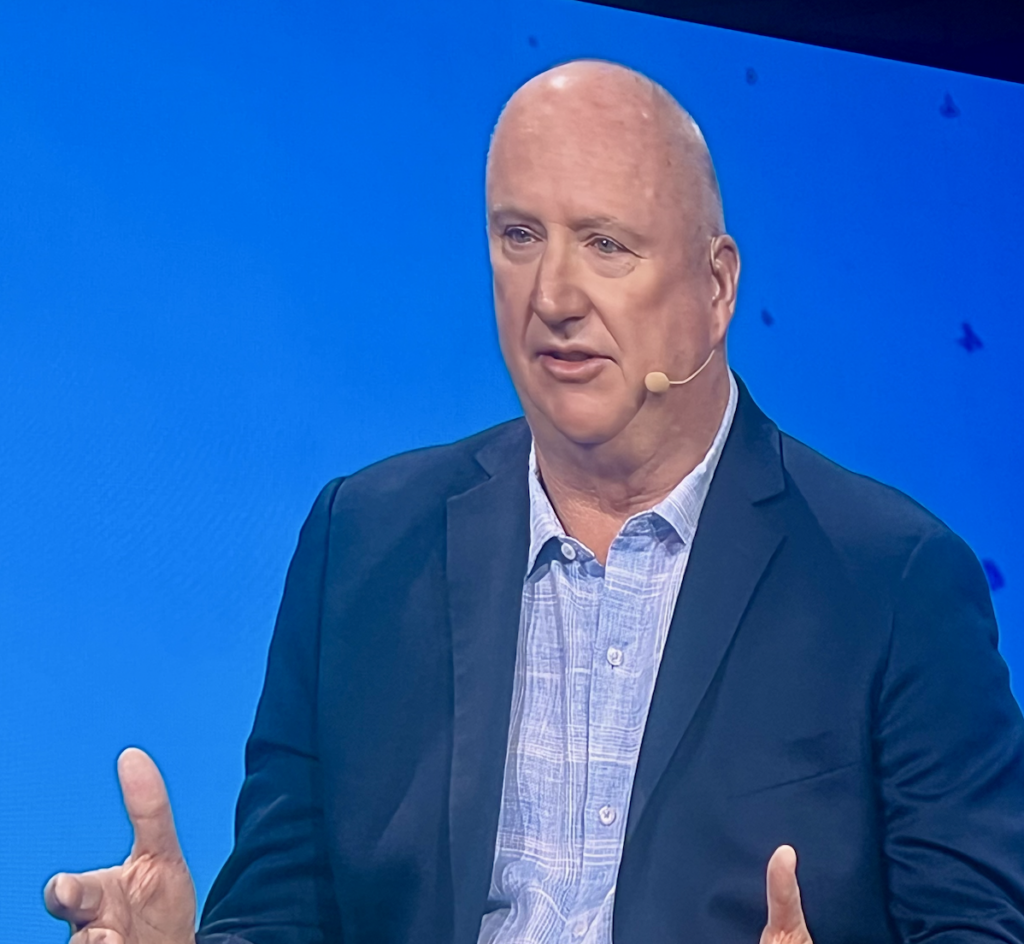
Valentine: I see AI as elevating what employees can do. There is some understandable concern, but if we push forward thoughtfully, employees will end up doing more meaningful and engaging work.
For example, in the call center, AI can help create a better member experience while allowing employees to focus on more complex interactions.
Sievewright: Is AI an opportunity to level the playing field for smaller credit unions?
Willard: I think it benefits all credit unions. We’re using tools like Lulu to analyze call report data in real time, including tracking lending performance in underserved communities. That kind of data is incredibly powerful when engaging with policymakers.
Semus: We don’t even know all the things AI can do yet. There are so many opportunities.
One of our team members recently built an AI-powered credit union simulator to help train employees on running an institution. These are the kinds of innovations that come from experimenting with the technology.
Resnik: The reality is “work smarter, not harder.” Some employees embrace AI quickly; others need guidance.
When I joined, I asked staff what they knew about business banking—they said nothing. I told them to start prompting AI tools. Now they’re using Claude, ChatGPT, and Copilot regularly.
Prompting itself is a skill. You have to give people the tools and set clear guardrails. There are also times when AI shouldn’t be used to make decisions—especially if you don’t fully understand the model. Risk management remains critical.
Sievewright: You’ve had a deliberate approach to succession planning. Can you talk about that?
Valentine: Hire people who are smarter than you—that’s the key. It’s hard for some CEOs, but you can’t be afraid of talent.
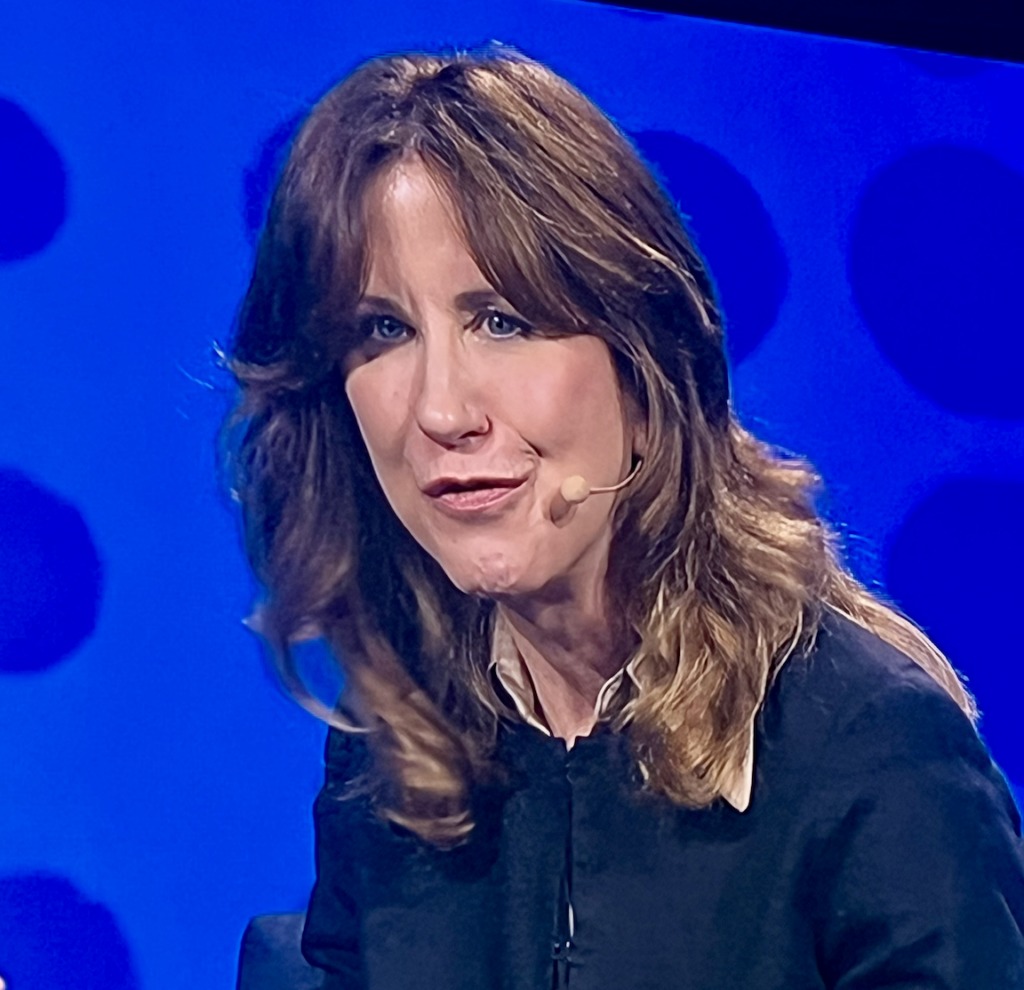
At BCU, we’ve had about 18 CEOs come out of the organization over 40 years. We’ve always had a formal succession plan and continuously develop people who are curious and relationship-driven.
Interestingly, our board even used AI tools like ChatGPT to help summarize succession planning interviews. My concern when I see CEOs retire is whether the process is robust enough. Too many credit unions merge because they failed to plan for leadership succession. That’s a shame. That’s the board’s number one responsibility.
Sievewright: What has surprised you in your first year as CEO?
Resnik: The weight of the role—literally and figuratively. No one tells you how physically and mentally demanding it can be. You really feel the responsibility—it all stops with you.
There’s clear accountability. When things go well, everyone shares the credit. When they don’t, it comes back to you—and that’s how it should be.
Another surprise is how much people want to hear from you. Employees and members look to the CEO for direction and reassurance. I used to think, “Why do they want to hear from me?” But it’s about the role—you set the tone and culture.
It made me realize I needed to improve my communication and presence. You’re in a different spotlight, and people want to understand where the organization is going.