

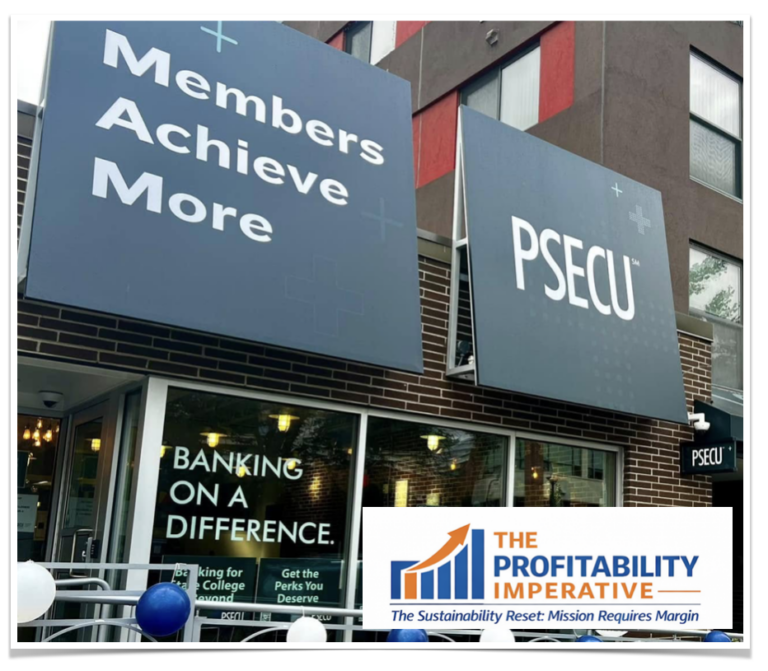
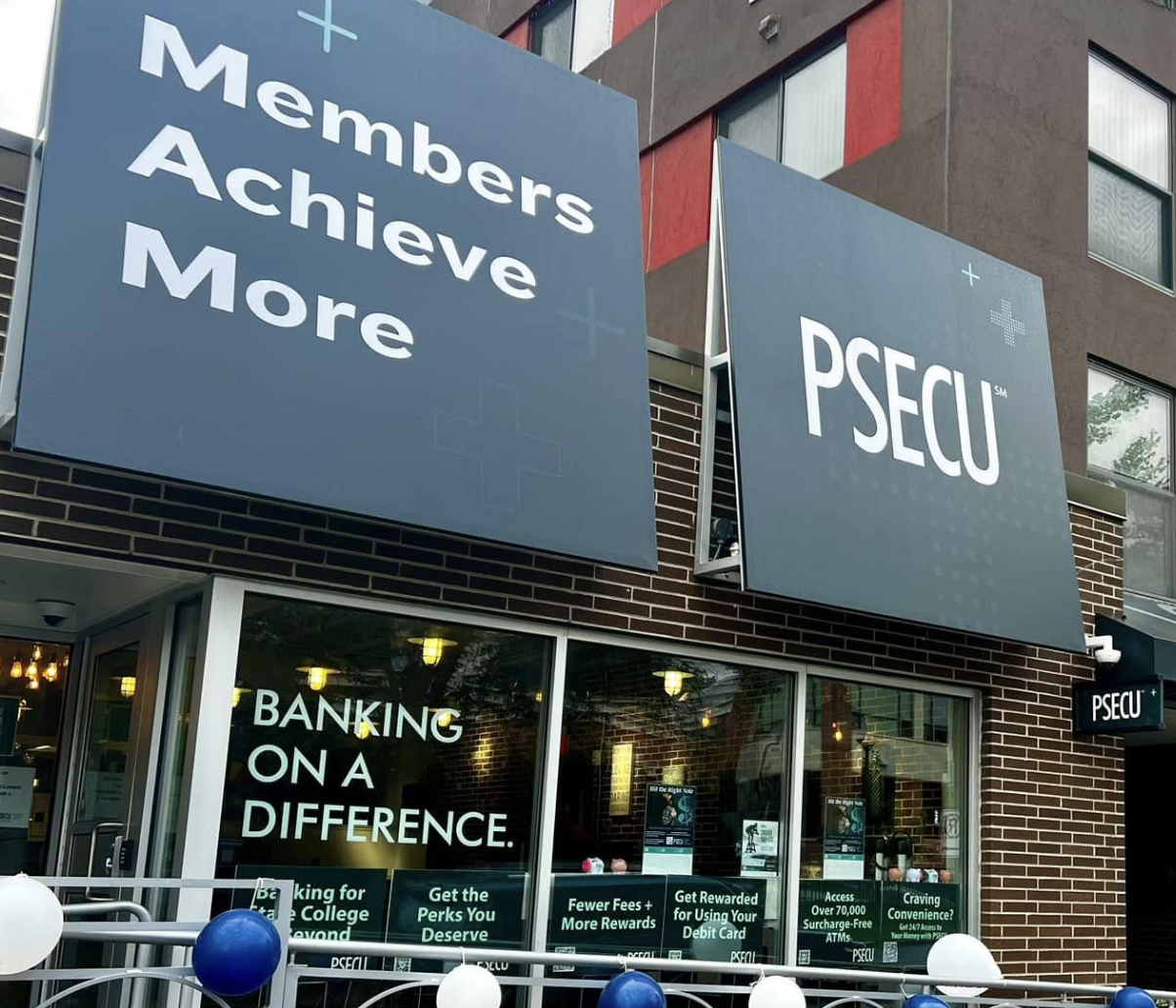
HARRISBURG, Penn.–Long known for its digital-first model and for serving its 545,000 members with almost no branches, PSECU is reacting to a change in consumer expectations around how they want to be served, especially in seeking in-person experiences when it comes to more complex offerings.
Below, Adam Stewart, VP-retail delivery and sales with the $9.3-billion PSECU, shares the credit union’s insights and experiences, as well as plans for what’s ahead, with the CU Daily. His comments appear here as part of the CU Daily’s 2026 Profitability Imperative Series.
The CU Daily: First, can you share a bit of background on the credit union and how it came to adopt the digital-first model?
Stewart: In 1934, 22 extraordinary people came together to do something extraordinary. PSECU was founded on the idea of making financial services more accessible, fair, and transparent for our members. As a member-owned, not-for-profit credit union, every strategic decision we make is rooted in how we can best serve people.
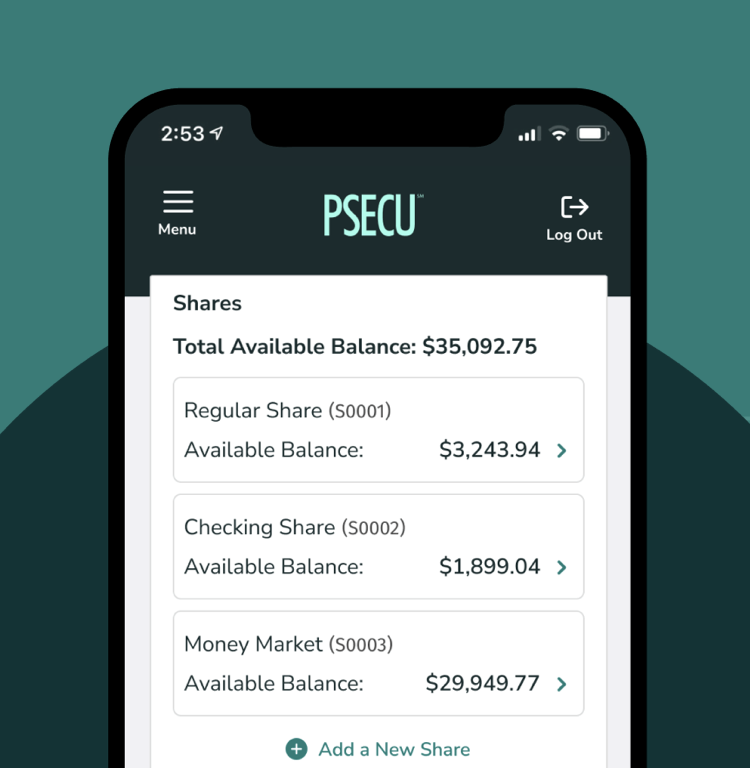
Our move toward a digital-first model stemmed from the same philosophy. Long before the phrase “digital-first” became a common industry term, we recognized that many of our members valued convenience and the ability to manage their finances on their own terms. Investing early in digital channels enabled us to remove friction and reinvest operating costs into better rates, fewer fees, and stronger products for members.
Most importantly, the digital-first approach has always been about expanding access and meeting members where they were increasingly choosing to engage.
The CU Daily: While PSECU has become well-known within credit unions for its success with a digital-first model, that has begun to evolve in response to member feedback. What is taking place, how has that feedback evolved, and when did this evolution begin?
Stewart: Over time, we’ve learned that digital solutions aren’t always the only answer for every situation. Member feedback has been consistently clear: digital convenience is essential, but there are moments when people want a human, face-to-face experience.
That feedback began evolving several years ago and accelerated as financial decisions became more complex and emotionally significant. Rather than rejecting digital, members began seeking balance when considering important life events, such as buying a home, financial hardship, or major life transitions.
As a result, our model has evolved into a more intentional hybrid approach. We continue to invest heavily in digital experiences, while also reintroducing and reimagining physical spaces and strengthening our call center experience to ensure members can access real human guidance, whether in person or over the phone, when it matters most.
The CU Daily: In an interview with a former PSECU CEO years ago, he had commented that the credit union recognized the digital-only model wasn’t for everyone, and that those individuals could obtain services elsewhere. How often did the credit union interact with prospective members who would say, “I would join, but…you have no branches?”
Stewart: That sentiment wasn’t uncommon, particularly among prospective members who were making larger or more complex financial decisions. While many people appreciated the efficiency of digital banking, others expressed hesitation, especially when they anticipated needing reassurance or in-depth support.
People wanted to know that if something felt overwhelming or unclear, there was a place they could go and a person they could talk to. That insight changed how we approached access and engagement, remaining digital-first while ensuring every decision is centered on delivering an exceptional experience across every channel.

The CU Daily: What can you tell us about the segment of members or prospective members who want in-person interactions? Is it a certain demographic by age or income, for instance?
It’s less about age or income and more about circumstance. While there are certainly generational tendencies, the need for in-person interaction tends to emerge around specific life moments. We see members across all demographics who are digitally fluent but still want the opportunity for human connection. It reinforces the idea that financial services are deeply personal, regardless of one’s comfort with technology.
The CU Daily: What is it that people want to do in person and/or what has PSECU learned works best in an in-person environment?
In-person engagement works best for conversations over transactions. Members don’t call in or use branches solely to deposit checks or check balances; their true desire is to talk through decisions and feel confident that their hard earned money is secure.
Key decisions include financial education, lending conversations, long-term planning, and moments when trust and reassurance matter just as much as information. We’ve learned that when people can sit across from someone who understands their situation and speaks plainly, it builds confidence in ways digital alone can’t always replicate.
The CU Daily: The digital-first model has the great advantage, of course, of being lower cost than having a branch network. How does PSECU view the ROI on branches and what are your plans?
Stewart: The strategic decisions we make, including whether or not to invest in physical locations, are based on delivering value to our members. The return we’re looking for is trust and fostering long-term member relationships. When designed intentionally, branches support deeper engagement and long-term member relationships.
Any future branch or in-person investment is approached carefully and strategically, prioritizing how it complements our digital capabilities.
The CU Daily: No credit union has unlimited resources. As PSECU evolves its model, what has it learned or what is the strategy in allocating resources between digital and branch investments?
Stewart: The strategy is intentionally balanced. Digital remains foundational and the primary driver, as it’s where most interactions happen and where efficiency and convenience matter most. But physical presence plays a critical supporting role.
We allocate resources based on where they deliver the most meaningful member impact. That means continuing to enhance digital tools while investing in our call center and in-person experiences where knowledge and trust-building can happen more effectively.
The CU Daily: A point often made about interacting with members digitally is that it is challenging to create a “bond” or relationship with the member in that environment. What has PSECU learned about creating that connection?
Stewart: Connection is built through consistency and clear, relevant communication. Even in digital environments, members build trust when information is personalized to their needs.
We focus heavily on proactive communication to ensure members can always reach a real person when they need to. When digital experiences feel supportive rather than transactional, relationships can form and deepen over time.
The CU Daily: As PSECU looks toward its future growth, what advice might it share with other credit union leaders as they look to map out a strategy for doing the same?
Stewart: Start with your members, not the model. Any strategy, whether digital, branch-based, or hybrid, works best when it’s grounded in real member needs rather than solely focused on industry trends or cost assumptions.
Listen closely, stay adaptable, and be willing to evolve. The institutions that will succeed long-term are those that treat trust and education not as marketing messages, but as operational commitments woven into every channel they offer.





2 Responses
All
All garbage- PSECU was an innovator- now it’s a dwindling dinosaur
Just check out the 990 growth in expenses far exceeding asset and loan plus ceo salary
The board used to be progressive
Only members suffer – they pay for bureaucracy