MADISON, Wis.– The Filene Research Institute has released Global Payments Innovation: A Research Brief for U.S. Credit Unions, co-designed with the World Council of Credit Unions (WOCCU), which it said “synthesizes insights from nine international case studies” and highlights both opportunities and risks for U.S. credit unions when it comes to payments.
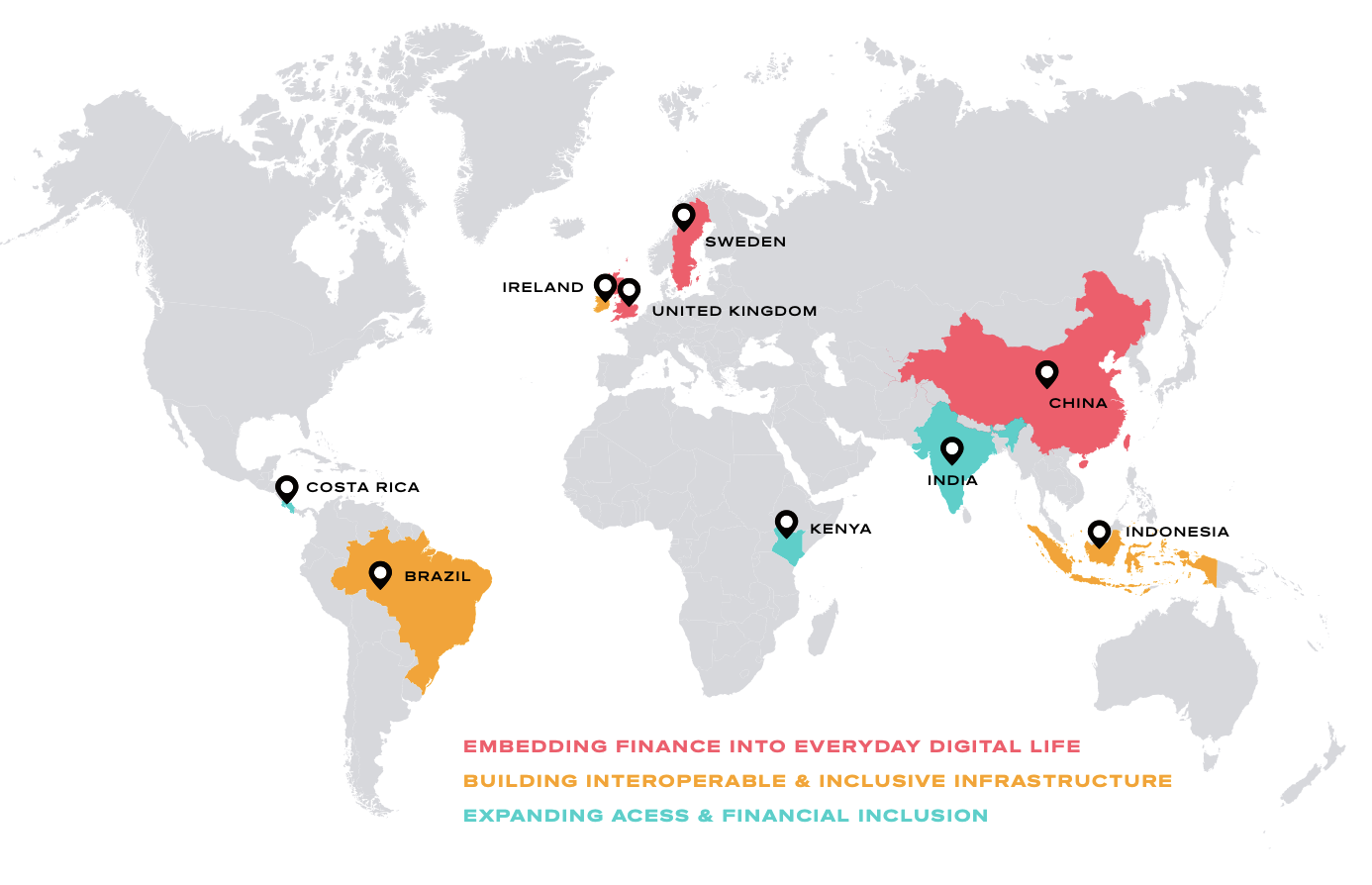
“The global payments landscape is undergoing a profound transformation, with countries like Brazil, India, Sweden, Kenya and Indonesia pioneering new systems that are faster, more inclusive and increasingly digital-first,” the organizations said in a statement. “From real-time payment platforms and mobile wallets to open banking and QR code adoption, these innovations are reshaping commerce, expanding financial inclusion and challenging traditional financial institutions to evolve.”
‘Unique Mix’
Each system reflects a unique mix of regulatory design, technology infrastructure and consumer behavior—offering valuable lessons for U.S. credit unions navigating growing competitive pressures from banks and fintechs.
Five Practical Steps
According to Filene and WOCCU, beyond exploring how these countries are modernizing payments, the report concludes with five practical steps U.S. credit unions can take to not only keep pace with global innovation but also shape the future of payments at home.
“In just 25 minutes, credit union leaders will gain a global perspective that can inform strategy, strengthen member value and position their institutions for long-term relevance in a rapidly evolving financial ecosystem,” Filene and WOCCU said.
Credit Union Implications
The organizations said that for credit unions, the rise of global payment innovations isn’t just an international trend—it’s a direct signal of where member expectations are headed.
“As banks and fintechs push faster, cheaper and more seamless payment options, credit unions must adapt or risk losing ground,” Filene and WOCCU said. “This research offers leaders the insights needed to anticipate change, evaluate partnerships, and implement strategies that align with cooperative values while safeguarding members’ trust.”
The report can be found here.