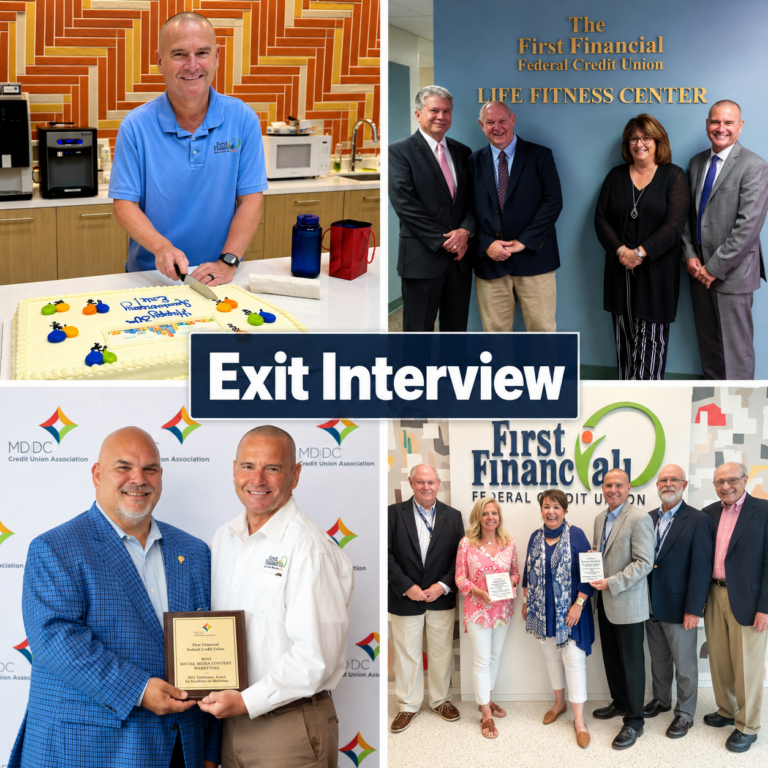
SPARKS, Md. –A CEO who is preparing to retire after more than a decade leading a credit union is sharing some advice around being prepared for environmental forces to work against leaders, they value of fallback plans, and why the best approach with staff is to “please the masses.”
As the CU Daily reported here, First Financial Federal Credit Union CEO Eric Church, who has led the credit union for more than a decade, said he plans to retire on Oct. 5. Current President James Wheeler will assume the roles of president and CEO of the $1.4 billion FFFCU, which will ensure a “smooth and strategic leadership transition,” the credit union said.
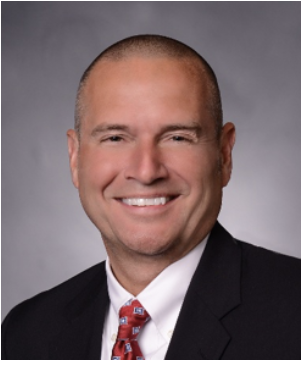
In 2015, Church was named president/CEO. Under his leadership, First Financial said it increased assets by $485 million, loans by $686 million, and shares by $431 million. Membership grew by more than 21,000 members, and the credit union added more than 100 employees.
Milestones Hit
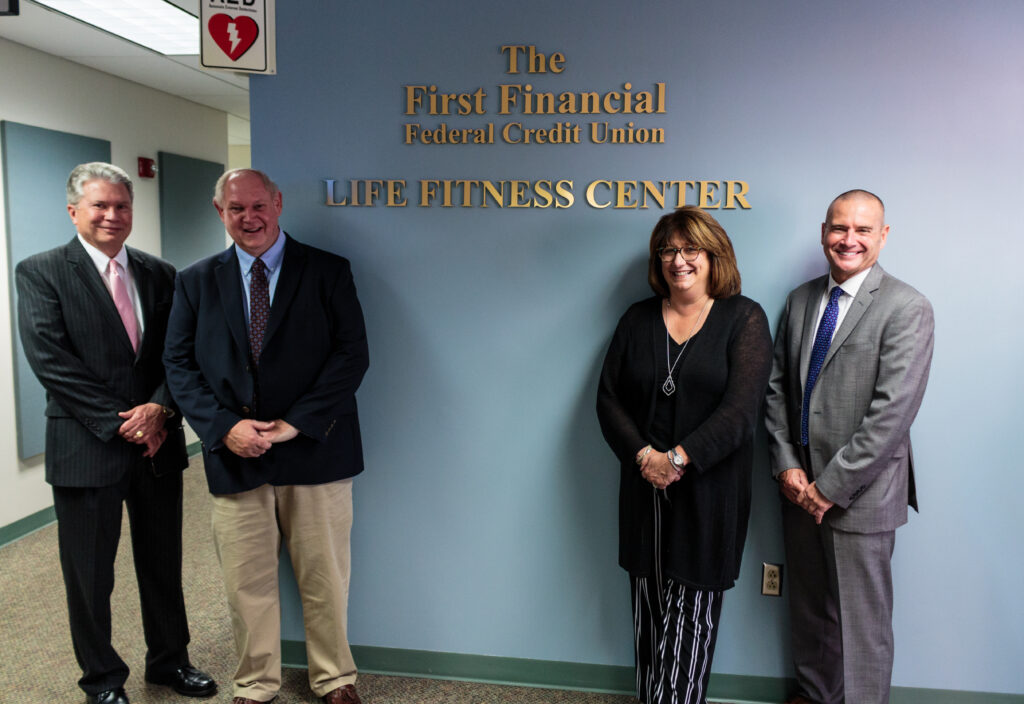
“(During his career), the credit union reached several important milestones, including purchasing its headquarters in Sparks, Maryland, and relocating First Financial from Lutherville,” First Financial said when it announced his retirement plans. “He also led three successful credit union mergers, strengthening First Financial’s presence throughout the region and bringing more than 4,000 new members to the credit union.”
The Q&A
Below, Church shares what he has learned during his career and wants to share with others in this CU Daily Exit Interview.
The CU Daily: How did you come to be involved in credit unions?
Church: The first 11 years of my working career were spent in public accounting as a CPA. I worked for Stegman & Company, a regional firm, and spent most of my time working with financial institutions, mainly credit unions. I was fortunate to work with several Maryland credit unions of all sizes which included First Financial Federal Credit Union.
In 1994, then CEO George Hansen was looking for a vice president of finance to oversee accounting and the “computer” department. He offered the job to me. I was flattered but explained to him that while I was comfortable with the accounting side, I had no computer experience. He said, ‘You’ll figure it out!’ I accepted and went on to spend 20 years as vice president of finance & IT and 12 years as president CEO here.
The CU Daily: What have you learned during your career about driving and managing growth, and has that changed?
Church: For many years, we were very profitable and had accumulated significant net worth. When I was appointed president/CEO in 2015, our loan-to-asset ratio was 26% (peer was 65%), so our growth path was obviously focused on lending. In addition to lending, we had struggled with member growth; most of our members worked for a few SEG groups.
Our board directed us to increase membership, lend to our members, and invest in technology to enhance the member experience. We quickly realized that those initiatives would require significant investment in our staff. We doubled our staff size, devoted significant resources to building a positive borrowing experience for our members, significantly expanded the IT and project management departments, and created a robust SEG relationship model.
The one thing that we have learned is whatever you want to grow (loans, shares, members) the economic and environmental forces will most likely be working against you! For example, when we want to grow shares, rate competition is fierce and liquidity is scarce. Always have a fallback plan. For liquidity, additional funding sources (e.g. FHLB); for loan growth and income generation, loan participations, and a well-versed investment manager.
The CU Daily: What have you learned during your career about managing people, and has that changed?
Church: Please the masses. More on that later. We firmly believe that a happy staff results in satisfied members and a successful credit union. We devote significant resources to creating a positive work environment for our staff through competitive pay, amazing benefits, and fun activities. We track our progress through regular employee surveys (Net Promoter Score), and we adjust based on their input.
Early on, we thought that we could make every employee a promoter. Unfortunately, that is impossible. Devote your energy to pleasing the masses.
In addition, staff need to be engaged and included, and they deserve to be!
The CU Daily: Prior to becoming CEO, you had an accounting/finance/tech background. Those are obviously necessary skillsets for CU CEOs, but what skills does that background not prepare one for?
Church: The obvious areas are operations, lending, marketing, human resources, and risk! For decades, our senior management team consisted of six individuals, we were very hands-on. We increased that team to nine to cover all the added responsibilities that have evolved within financial institutions. We hired and retained highly qualified people who are smarter than me to focus on those functional areas. Leverage the knowledge and expertise that you possess and look to others to do the same.
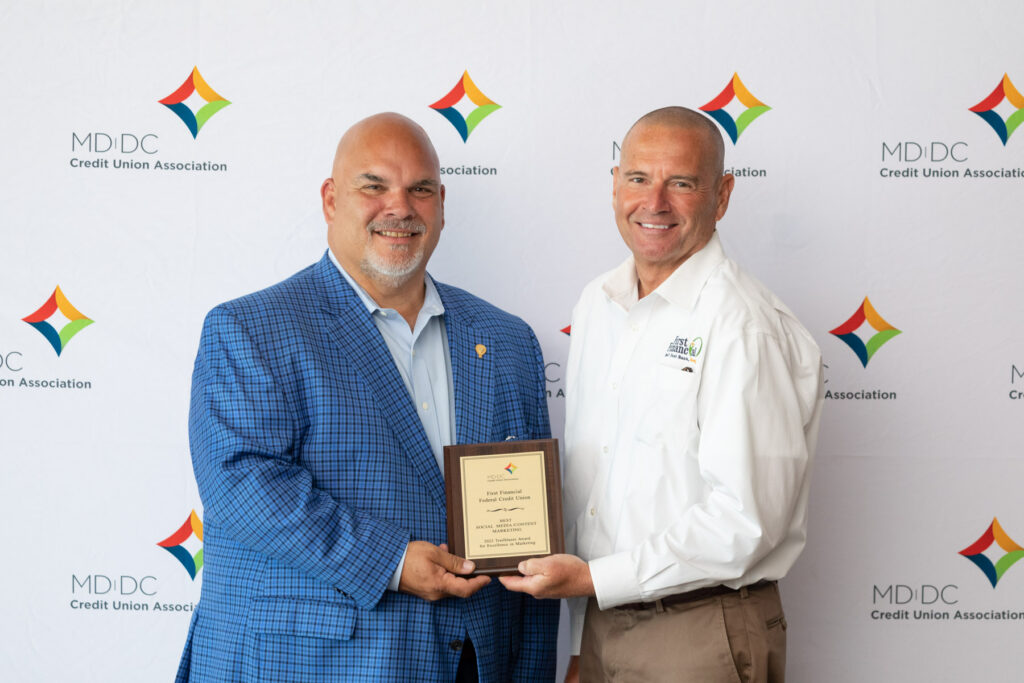
The CU Daily: What have you learned about managing mergers?
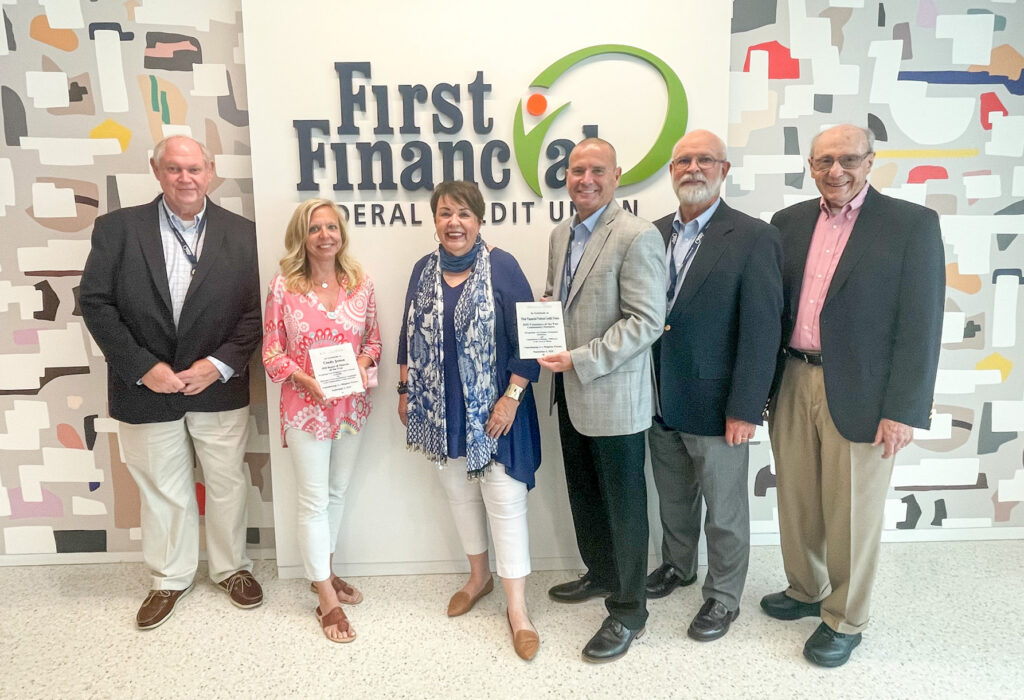
Church: The most important and challenging phase is deciding on doing one, or not. We have always measured the benefit to our credit union and our members to make that decision. We have turned down several merger opportunities after that analysis. All our recent mergers have offered expansion into new geographic areas and/or expansion within existing membership groups (e.g. education, healthcare).
Once the decision is made to move forward, we focus on the members, employees, and volunteers of the merging credit union. It can be a very emotional experience for all those groups. Making them comfortable, ensuring them that the merger is a positive thing, and following through effectively are paramount.
The CU Daily: If you could go back and talk to yourself on your first day as CEO, what advice would you share?
Church: Broadly, expect the unexpected. Specifically, prepare for a worldwide pandemic! The 2020 COVID pandemic had significant economic, social, and emotional impacts that most had never experienced. We navigated through those challenges with minimal impact on our members and staff by working together and focusing on the needs of both. It was, by far, the most challenging time that we had experienced during my time as CEO.
The CU Daily: What is your view on the future of credit unions if there is to be one?
Church: There is a future for credit unions! Credit unions who differentiate themselves by focusing on member experience AND employee engagement and satisfaction will survive. Those credit unions will need to have significant scale and net worth, so the merger trend will continue.