BOSTON — Artificial intelligence is helping financial institutions more precisely determine how much cash to stock in individual ATMs, potentially reducing idle cash while also helping financial institutions anticipate equipment failures, according to an analysis by PYMNTS.
AI-based forecasting is allowing banks and ATM operators to analyze withdrawal patterns at individual machines and predict cash demand based on factors including paydays, holidays and seasonal trends, PYMNTS reported.
Brink’s said improved forecasting alone can reduce total ATM cash requirements by 30% to 40%, potentially freeing capital that otherwise would remain tied up inside machines or in the cash-distribution system.
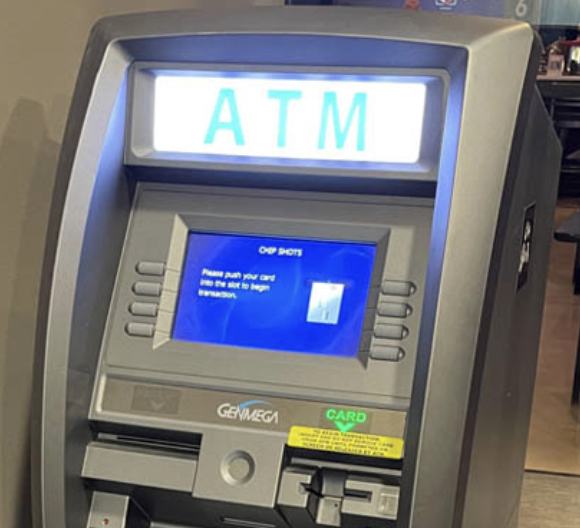
The technology also is being used to detect subtle changes in ATM sensors that can signal an impending hardware problem, allowing banks and operators to shift from responding to breakdowns to performing maintenance before machines fail, according to PYMNTS.
Cash Remains Part of Payment Mix
The advances come as cash continues to play a significant role in consumer payments despite the growth of digital alternatives.
Cash accounted for 14% of U.S. consumer payments, while more than 80% of consumers reported using cash during the previous 30 days, according to Federal Reserve data cited by PYMNTS.
The Fed’s 2026 Diary of Consumer Payment Choice also found that 90% of consumers expect to continue using cash.
That continued demand presents banks with a longstanding challenge, PYMNTS said.
Financial institutions can stock ATMs with more cash than they are likely to need, ensuring availability but leaving capital sitting idle. Alternatively, they can maintain smaller cash inventories and risk machines running out, potentially requiring additional armored-car deliveries and inconveniencing customers.
AI Targets Individual ATM Demand
AI is increasingly being used to narrow that gap by treating ATM cash management as a forecasting problem rather than relying primarily on historical averages and larger precautionary cash buffers, PYMNTS reported.
Enterprise AI software provider H2O.ai, for example, develops cash-demand models for individual ATMs using historical withdrawal activity, paydays, holidays and regional seasonal patterns.
The company says its models can forecast ATM cash demand to within about 15% on average, according to PYMNTS.
More accurate forecasts allow banks to stock individual machines closer to the amount of cash they are expected to dispense on a particular day instead of maintaining larger buffers designed to protect against unusually high demand.
One Potential Result
The result could be lower cash-handling costs and more productive use of bank capital while reducing the risk of ATMs running out of money.
AI also could improve ATM reliability by analyzing machine data for early indications that components are deteriorating, PYMNTS said. Identifying those signals before a breakdown could allow financial institutions and ATM operators to schedule repairs rather than waiting for a machine to go out of service.