

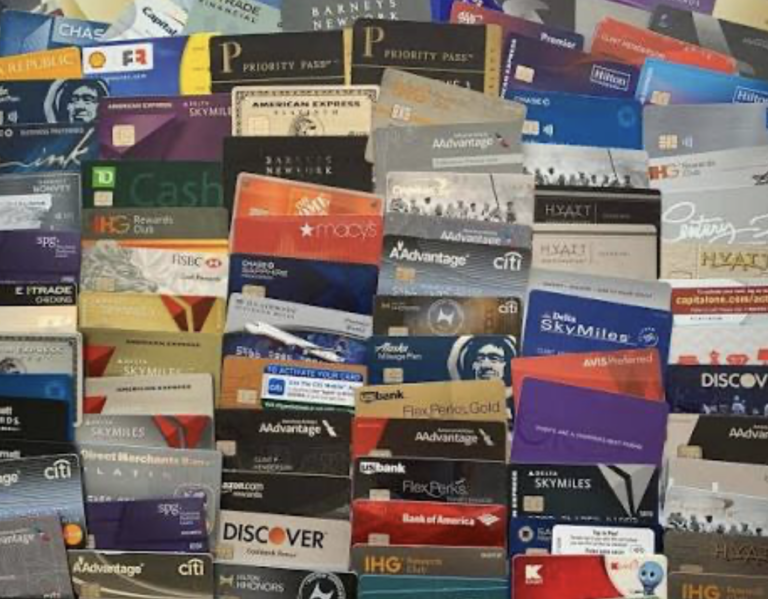
NEW YORK–Thirty-three different findings related to credit card usage have been compiled to show how rewards influence how consumers choose cards, use them and redeem what they earn
CardRates.com noted that cash back remains a leading preference, while travel benefits appeal to different groups of cardholders. The findings also point to concerns about confusing rules, expiring rewards and spending more to earn them.
The figures come from multiple studies, so the surveyed groups and methods vary from one finding to another. CardRates.com compiled the following 33 findings:
1. More Than 80% Of Young Cardholders Earn And Use Rewards
A Taxpayers Protection Alliance survey found that 82% of cardholders ages 18 to 29 earn and use credit card rewards. CardRates.com said rewards can be particularly useful to younger consumers with limited budgets.
2. Cash Back Is The Most Appealing Perk For 68% Of Primary Card Users
More than two-thirds of primary credit card users ranked cash back above other rewards, such as points or miles. Cash back can generally be redeemed in forms including statement credits, deposits, gift cards and purchases.
3. Flat-Rate Cash Back Appeals Strongly To 51%
Just over half of respondents called a flat rate of cash back on all purchases “very appealing.” Unlike tiered programs, flat-rate cards do not require users to track which purchases earn a higher rate.
4. Lower-Income Households Favor Cash Back
About three-quarters of households earning less than $50,000 said cash back was their preferred reward, according to the Taxpayers Protection Alliance survey. It also found that 67% of working-class cardholders considered rewards important to their household finances.
5. In-App Rewards Can Encourage More Spending
Four in 10 consumers said being able to find or redeem rewards through an app encourages them to spend more, according to research cited by CardRates.com. The finding suggests that easy access to offers can affect purchasing decisions, not just make rewards easier to use.
6. Rewards Are A Top Reason To Use A Card For 48%
Nearly half of cardholders said earning rewards was a leading reason they use their credit cards. CardRates.com noted that interest charges can reduce or erase the value of rewards when a balance is carried.
7. Statement Credits Are A Common Redemption Choice
In a custom study by 160over90 Research, 79% of respondents said they had used points for a statement credit in the previous six months. The study also found that 36% used points immediately for everyday expenses and 37% were saving for a major or “dream” redemption.
8. Many Would Choose Rewards Over A Lower APR
About three-quarters of respondents said they would choose a rewards card with a higher annual percentage rate over a lower-rate card without rewards. The cost of that choice depends in part on whether the cardholder pays the balance in full or incurs interest.
9. Most Surveyed Voters Prefer Rewards To Lower Prices
A Taxpayers Protection Alliance survey found that 63% of registered voters would rather keep their credit card rewards than give them up in exchange for lower store prices.
10. Rewards Are Falling Behind Inflation, Many Say
A WalletHub survey found that 65% of Americans did not think their rewards were keeping up with inflation. The remaining 35% said they were.
11. More Than A Third Question Whether Programs Are Fair
In the same WalletHub survey, 37% of respondents said credit card rewards programs were unfair, while 63% said they were fair. CardRates.com pointed to redemption restrictions, account-status rules and category-based earning rates as possible sources of dissatisfaction.
12. Cards Without Fees Or Rewards Score Lowest On Satisfaction
Cards with neither an annual fee nor a rewards program received a satisfaction score of 573 on a 1,000-point scale, the lowest rating cited in the compilation. Such cards may still serve consumers who are establishing or rebuilding credit, CardRates.com said.
13. Only 29% Say They Maximize Their Rewards
Fewer than three in 10 customers said the way they use their cards maximizes reward earnings. CardRates.com suggested that complicated earning rules or a mismatch between a card’s benefits and a consumer’s spending habits could leave rewards unclaimed.
14. Rewards Confuse 16% Of Cardholders
Sixteen percent of cardholders identified rewards programs as the most confusing aspect of credit cards. CardRates.com cited point transfers as one feature that can be difficult to understand.
15. More Than A Third Use Rewards For Everyday Costs
Thirty-six percent of consumers said they use rewards to offset routine expenses. Those redemptions can help cover purchases or bills without waiting to accumulate enough points for a larger reward.
16. Others Save For A Major Redemption
Thirty-seven percent of cardholders said they were saving rewards for a large purchase or another “dream” redemption. CardRates.com noted that the eventual value can vary with the program and redemption method.
17. Gen Z Cardholders Redeem Points Fastest
Seventy-two percent of Gen Z cardholders said they redeem points monthly or as soon as possible. That compared with 51% of cardholders ages 25 to 34 and 33% of those ages 45 to 54.
18. Losing Rewards Through Government Action Would Disappoint 63%
In a survey concerning potential government controls affecting rewards, 38% of cardholders said they would be very disappointed to lose rewards and 25% said they would be somewhat disappointed.
19. Travelers Put Lower Prices Ahead Of Perks
Sixty-seven percent of travelers said they preferred cheaper airfare or hotel rates over travel perks. CardRates.com said that preference may make luxury card benefits less compelling for people focused on the overall cost of a trip.
20. Co-Branded Travel Cards Do Not Appeal To 30%
Three in 10 consumers said airline or miles-based co-branded cards were unappealing as a rewards option. CardRates.com said cards tied to one airline or hotel chain may offer less flexibility than general-purpose travel cards.
21. Everyday Earning Leads Travel-Card Priorities
Forty-seven percent of travelers ranked earning rewards on everyday spending as the most valuable travel-card benefit. Statement credits followed at 12.3%, while 7.3% chose welcome bonuses and 4.4% chose airport lounge access or TSA PreCheck credits.
22. Airline Co-Branded Cards Lead Premium-Card Satisfaction
Among premium travel cards, airline co-branded cards had the highest satisfaction, according to research cited by CardRates.com. The compilation attributed their appeal in part to travel benefits and exclusive experiences beyond the value of points or miles.
23. A Welcome Bonus Can Prompt A New Application
Twenty-two percent of leisure travelers said a sign-up bonus was sufficient reason to open a new card. Such bonuses commonly require a specified amount of spending within the first few months.
24. Daily Purchases Help Active Travelers Build Rewards
Thirty-one percent of active travelers said they put everyday expenses on a travel rewards card to earn points or miles. Those purchases can include household bills as well as travel costs.
25. Findings On Point Transfers Conflict
The compilation’s heading says about 43% of travel cardholders have ever transferred points to an airline or hotel loyalty program. Its accompanying text says 42.9% have not transferred points. The two statements describe different groups, so the share that has transferred points cannot be determined reliably from the information provided.
26. Travel Rewards Have Expired For 45.1%
A BestMoneyPen survey found that 45.1% of travel cardholders had let rewards expire. CardRates.com said points transferred to an airline or hotel program may become subject to that program’s expiration rules. Closing a card or failing to meet account requirements also can put rewards at risk, depending on the terms.
27. Infrequent Travel Keeps Many From Getting A Travel Card
Among consumers without a travel card, 44.6% said they did not travel enough to warrant one. About 35% cited annual fees, 18.4% said the number of options was confusing and 13.5% had not realized a travel card might fit their needs.
28. Fraud Protection Outranks Rewards For Many Cardholders
An American Bankers Association survey found that 47% of cardholders placed fraud protection among their top three card benefits. Earning rewards followed at 41%, emergency access to credit at 40% and convenience at 39%.
29. Rewards Are Projected To Reach $60 Billion In 2026
Consumers are projected to earn about $60 billion in credit card rewards in 2026, according to a projection cited by CardRates.com. The compilation identified merchant interchange fees, interest charges, annual fees and penalties as revenue sources that help support card programs.
30. Consumer Cards Average $272.50 In Welcome Cash
The average welcome cash bonus for a consumer credit card was $272.50, according to research cited by CardRates.com. Earning a bonus generally requires meeting a spending threshold after opening the account.
31. Most Small-Business Owners Resist Annual Fees For Rewards
Only 28% of small- and midsize-business owners said they were willing to pay an annual fee to earn rewards. CardRates.com noted that business cards are also available without annual fees.
32. Rewards Redeemers Spend More
Cardholders who redeem rewards spend 107% more than those who do not, according to a study cited in the compilation. The finding shows an association between redemption and spending; it does not establish that redeeming rewards causes people to spend more.
33. Better App Offers Could Prompt A Switch
One in three consumers would switch credit card companies to get rewards and discounts from favored businesses through an app, according to a Mastercard study cited by CardRates.com.




