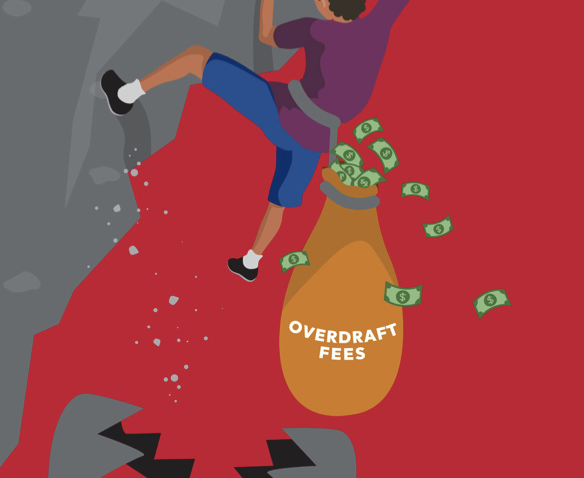
WASHINGTON — Large banks increased their reliance on overdraft fee revenue in 2025 after Congress and the Trump administration rolled back federal restrictions on overdraft and nonsufficient funds (NSF) fees, according to a new report from the National Consumer Law Center, which is also critical of the lack of data related to credit union overdraft fee income.
The report, released by the NCLC, said consumers paid more than $12 billion in overdraft and NSF fees during 2025 and urged states to adopt new limits on the fees and related practices.
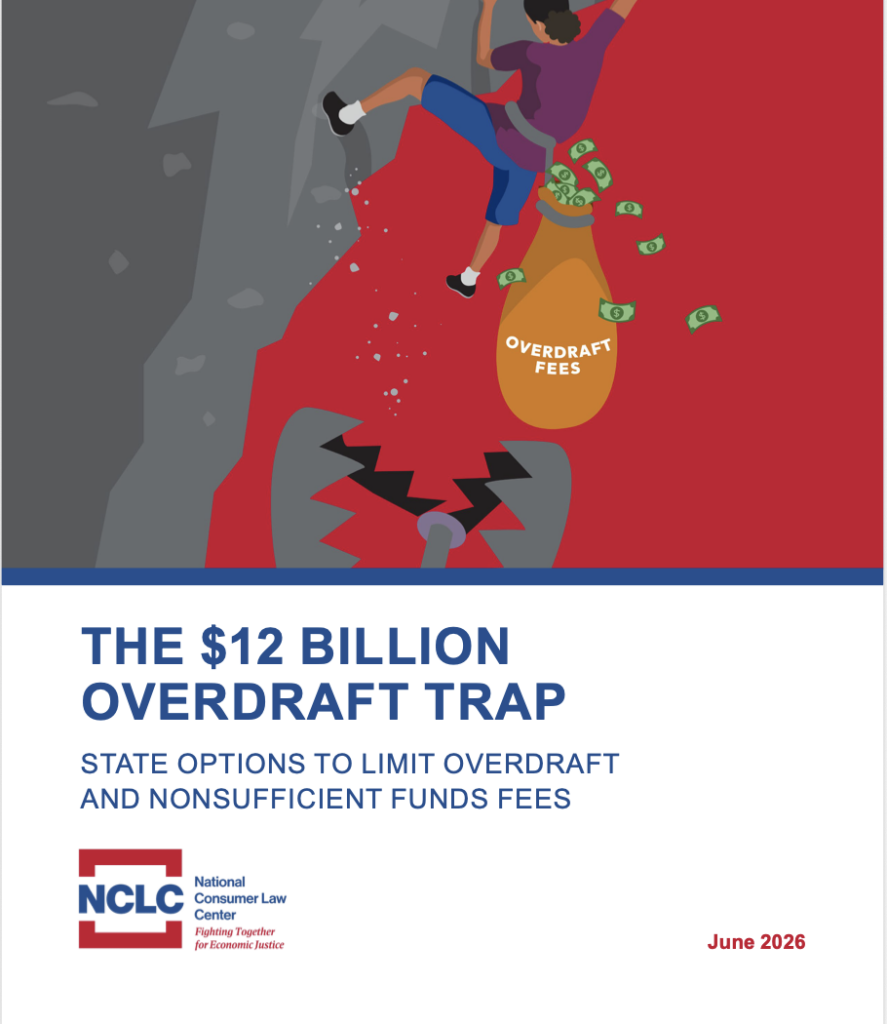
According to the NCLC, approximately one-quarter of Americans live in households that pay overdraft fees each year. The organization said the fees disproportionately affect Black households, lower-income consumers and people with limited education.
‘Turning Struggling Families into Profit Centers’
“With Congress and the Trump Administration reversing protection against abusive and unfair bank practices that multiply overdraft fees, some banks are seizing the opportunity to turn struggling families into a profit center,” Lauren Saunders, senior attorney at the National Consumer Law Center, said in a statement.
The NCLC said a 2024 rule issued by the Consumer Financial Protection Bureau was projected to save households $5 billion annually, including an estimated $225 per year for families that regularly incurred overdraft fees. According to the organization, many banks had voluntarily reduced or eliminated fees ahead of the rule because of regulatory pressure.
Reversal of Enforcements
However, the NCLC said Congress repealed the CFPB rule in 2025 and the Trump administration subsequently reversed enforcement actions and guidance aimed at what regulators had characterized as unfair overdraft and NSF fee practices.
The report analyzed overdraft fee revenue at the nation’s 20 largest consumer banks and identified several institutions it said stood out for high or rising fee income.
According to the NCLC:
- JPMorgan Chase and Wells Fargo each generated approximately $1 billion in overdraft fee revenue during 2025.
- PNC Bank reported $279 million in overdraft fee revenue, an 8% increase between 2023 and 2025.
- USAA Federal Savings Bank increased overdraft fee revenue by 471% from 2023 to 2025, the largest increase among the top 20 banks reviewed.
- Regions Bank generated the highest overdraft fee revenue on a per-account basis among large banks, averaging $30 per account annually.
Critical of Lack of CU Data
The NCLC also noted that overdraft revenue data is no longer publicly available for credit unions after the National Credit Union Administration stopped requiring the reporting of that information. However, the organization said that in 2024, Navy Federal Credit Union reported approximately $28 in overdraft fee revenue per account, higher than all but one of the 20 largest banks.
At the same time, the report highlighted several financial institutions that do not charge overdraft fees, including Capital One, Citibank, American Express and Ally Bank. The NCLC also noted that none of the top 20 banks currently charges NSF fees.
“It’s especially shocking that USAA, which caters to military families, is extracting money from families struggling to buy groceries, medicine, and gas,” Saunders said in a statement.
The report argues that states should take a larger role in regulating overdraft and NSF fees, particularly at state-chartered banks and credit unions.
Recommendations Made
Among the reforms recommended by the NCLC are:
- Limiting overdraft fees to $5
- Prohibiting NSF fees
- Restricting institutions to no more than six overdraft fees annually or no more than $200 in total overdraft fees per year.
The organization also recommended that states:
- Prohibit overdraft fees on debit card and ATM transactions.
- Ban multiple fees arising from a single negative-balance episode
- Require a $50 cushion for small overdrafts and a 24-hour grace period before a fee may be charged.
- Prohibit “surprise” overdraft fees assessed when an account balance was positive at the time a transaction was authorized but negative when the transaction later settled.
In addition, the report urged states to collect and publish overdraft and NSF fee data to identify institutions with high fee levels and encourage voluntary reforms across the banking industry.