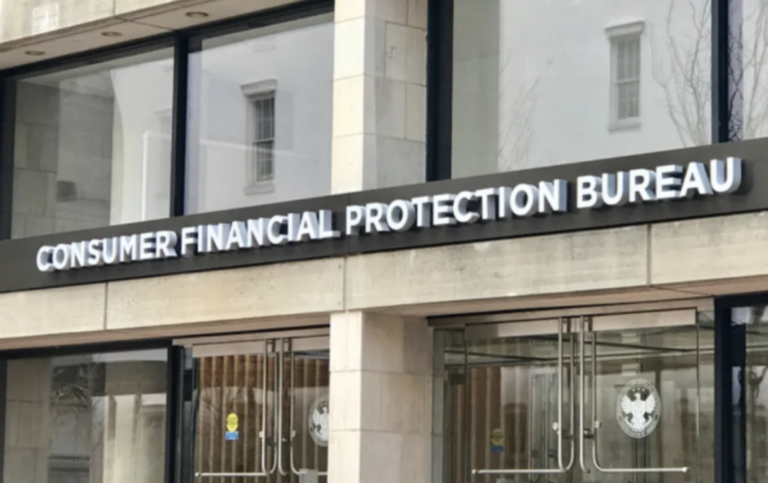
WASHINGTON — The Consumer Financial Protection Bureau said it will stop publishing consumers’ written complaint narratives and related visualizations in its public Consumer Complaint Database, saying the unverified accounts can be misleading and unfairly damage companies’ reputations.
The CFPB said publishing complaint narratives is discretionary, although the agency will continue collecting, monitoring and responding to consumer complaints as required by law.
The Bureau said years of experience have shown publishing the narratives has “minimal” utility and can create confusion because complaints describe negative consumer experiences from one side of a dispute and are not independently verified.
‘One-Sided Experiences’
“Publishing such narratives in the Database provides a less-than-representative sample of one-sided experiences that cannot provide consumers with a balanced and accurate view of companies’ compliance with their legal obligations,” the CFPB said.
The Bureau also said allegations contained in complaints do not necessarily describe violations of federal law and that, as a practical matter, the complaint process cannot verify each consumer’s allegations.
The decision reverses a policy dating to 2015, when the CFPB began allowing consumers to opt in to having descriptions of their experiences published in the database after the bureau removed personally identifiable information.
At the time, the CFPB said publishing narratives would provide context to complaints, help identify trends, assist consumers in making informed decisions and potentially encourage financial companies to improve products and customer service.
‘Misleading Consumers’
The CFPB said the experience since then has led it to a different conclusion, arguing the narratives and associated visualizations risk misleading consumers who rely on the bureau for authoritative information when selecting financial products and services.
Previously published narratives will not disappear entirely. The CFPB said it considers them public records for Freedom of Information Act purposes and is placing them in the agency’s FOIA Reading Room.
The bureau said it will continue sharing complaint information securely with prudential regulators, the Federal Trade Commission and other federal and state agencies. It also will continue reviewing how well companies provide complete, accurate and timely responses to consumer complaints and will disclose certain complaint data in response to FOIA requests.