WASHINGTON—Cryptocurrency continues to function primarily as an investment asset rather than a mainstream payment method in the United States, according to new findings from the Federal Reserve System.
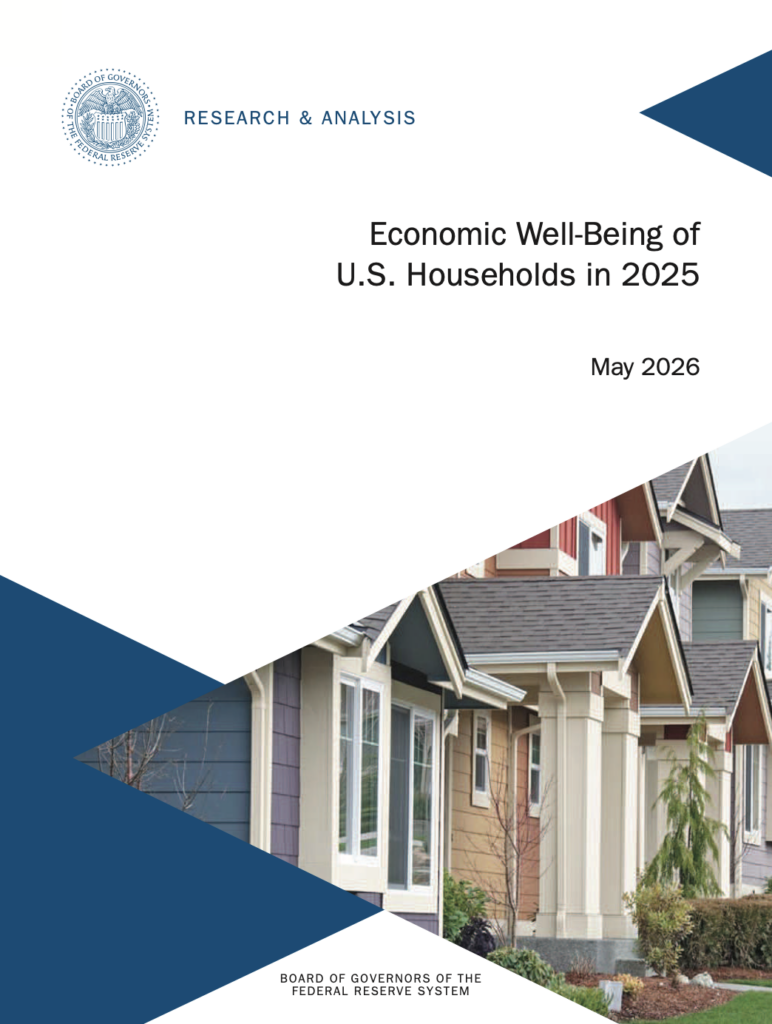
In its May 2026 report, “Economic Well-Being of U.S. Households in 2025,” the Federal Reserve found that only a small share of U.S. households reported using digital assets for transactions despite years of industry efforts to position cryptocurrency as a payments alternative.
According to the Federal Reserve:
- Just 2% of U.S. households used cryptocurrency to purchase goods or services or make payments.
- Only 1% reported using cryptocurrency to send money to friends or family.
- Among households that did use cryptocurrency for transactions, the most common reason cited was that the recipient preferred receiving payment in crypto.
What Findings Suggest
The findings suggest that even among consumer groups more likely to rely on alternative financial services, cryptocurrency has gained little traction as a transactional tool, according to the Federal Reserve.
The report arrives as many digital asset companies increasingly shift their messaging away from speculative investing and toward payment infrastructure. Stablecoin issuers and blockchain firms have promoted digital assets as faster and lower-cost alternatives for remittances and traditional payment networks.
But the Federal Reserve’s data indicate that consumer adoption for day-to-day commerce remains limited.
Where Consumers Place Value
The report points to a payments environment in which many consumers already have access to fast and familiar digital payment options through existing financial infrastructure. Traditional payment tools—including credit cards, peer-to-peer payment services and real-time bank transfer capabilities—have reduced reliance on cash and shortened payment settlement times.
According to the Federal Reserve, consumers appear to place greater value on convenience and established user experiences than on underlying payment rails, suggesting digital assets have yet to demonstrate broad consumer demand for routine transactions.
The findings were included in the Federal Reserve’s annual survey examining household financial experiences, payment behavior and overall economic well-being in the United States.