TAMPA, Fla. — Credit union members are increasingly using artificial intelligence and digital wallets while choosing payment methods based on spending needs, convenience and control, according to Velera’s ninth annual Eye on Payments study.
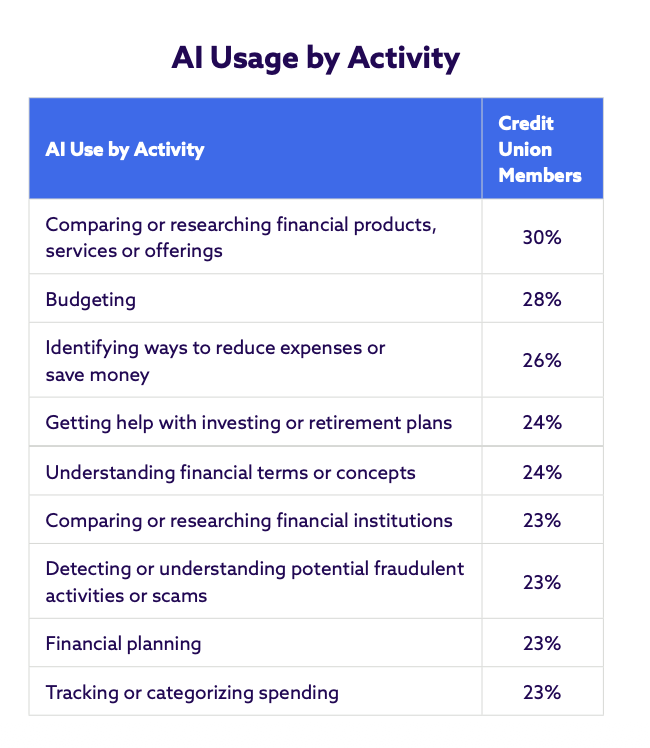
Nearly half of credit union member respondents, 49%, reported using AI at least a few times per week, with three-quarters reporting at least one financial use. But members remained cautious about allowing AI to conduct transactions and selective about adopting digital assets, the payments credit union service organization and financial technology provider said.
The 2026 report, released Oct. 21, examines how economic pressures and rapid digital innovation have reshaped consumer payment preferences and behavior over the past year.
Payment Choices Reflect Spending Needs
Debit remained the preferred payment method for 47% of credit union members. But consumers are choosing among physical cards, digital wallets, cash and buy now, pay later options depending on the situation, according to Velera.
The findings suggest having the appropriate payment tool available for a particular purchase matters more to consumers than consistently using one method, the company said.
Weekly digital wallet usage among credit union members nearly quadrupled, rising from 11% in 2022 to 42% in 2026. For the first time in the study, debit surpassed credit as the most commonly loaded card type, reflecting members’ broader preference for spending control, Velera said.
Consumers also actively manage which cards they select within their wallets to maximize benefits and control spending. Convenience alone does not guarantee a card will become their first choice, according to the report.
Other findings included:
- Card appearance: Some 52% of credit union members said a card’s physical appearance influences which card they use, up from 39% in 2023.
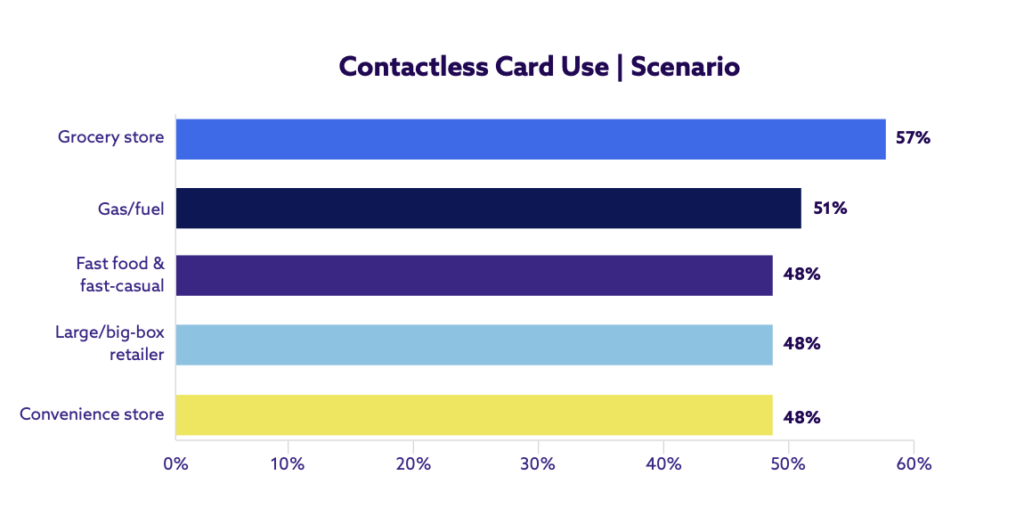
- Contactless adoption: Some 85% reported having a contactless credit or debit card.
- Contactless use: Some 58% used a contactless card at least a few times per week, up from 48% in 2025.
AI Use Grows, But Transaction Concerns Rise
Despite growing AI use, 59% of credit union members said they would be uncomfortable allowing AI tools to make purchases or transactions on their behalf, up from 49% in 2025.
Velera said the finding suggests trust in AI-driven transactions remains limited even as consumers increasingly use the technology.
“Consumers have more financial tools and payment options than ever before, yet our research suggests they’re becoming more intentional, not less, in how they use them,” said Tom Pierce, Velera’s chief marketing and communications officer.
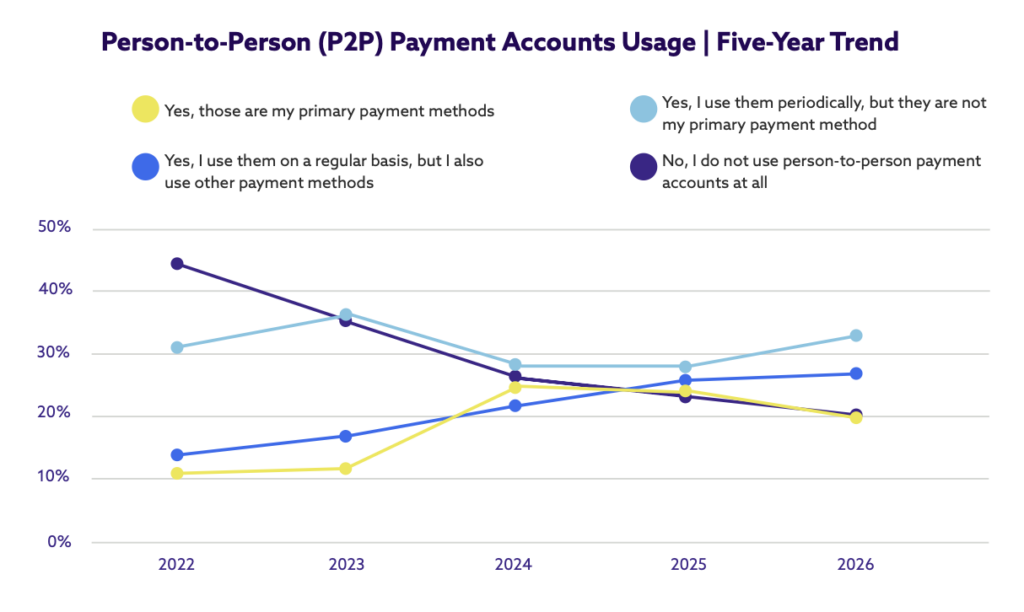
Pierce said adoption of AI, digital wallets, debit, credit, buy now, pay later, person-to-person payments and emerging options increasingly depends on whether consumers believe those tools help them manage money more effectively. Credit unions that best meet that need will earn lasting trust and engagement, he said.
Unfamiliarity Limits Digital Asset Adoption
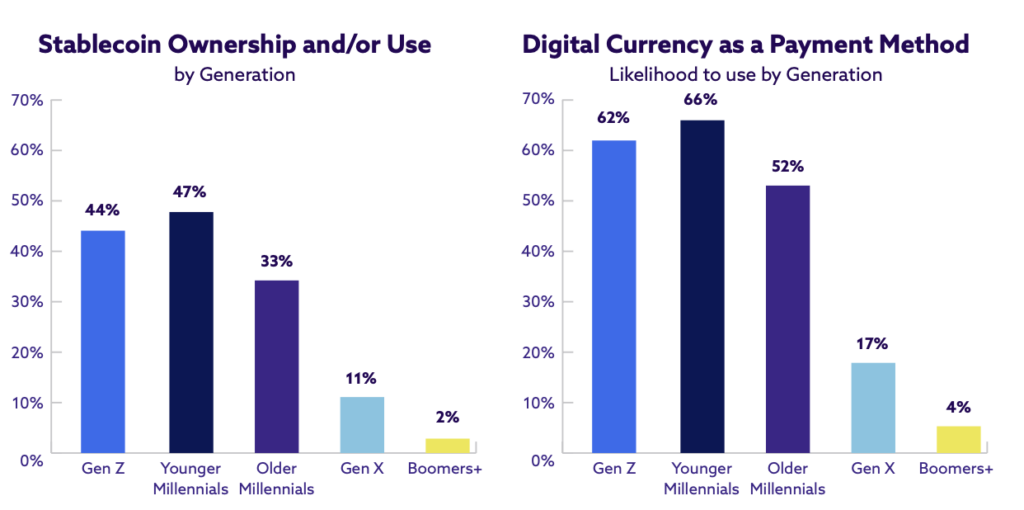
Among all consumers surveyed, 25% held or previously had held cryptocurrency, while 19% held or previously had held stablecoins.
Unfamiliarity was the leading barrier among nonusers:
- Some 40% said they did not know how to use cryptocurrency.
- Some 61% said they did not know what stablecoins were or how to use them.
Velera said the findings reflect a selective approach to emerging financial uses rather than broad acceptance of every new technology.
Fraud Response Can Strengthen Trust
One-quarter of credit union members experienced fraud in the past year. Among those members, 52% said the experience increased their trust in their financial institution, and 77% were satisfied or very satisfied with its response.
As fraud becomes more complex and increasingly enabled by AI, an institution’s response can be as important to the member relationship as prevention, Velera said. The findings highlight the role of communication, support and resolution in strengthening those relationships.
Generational Differences And Branches
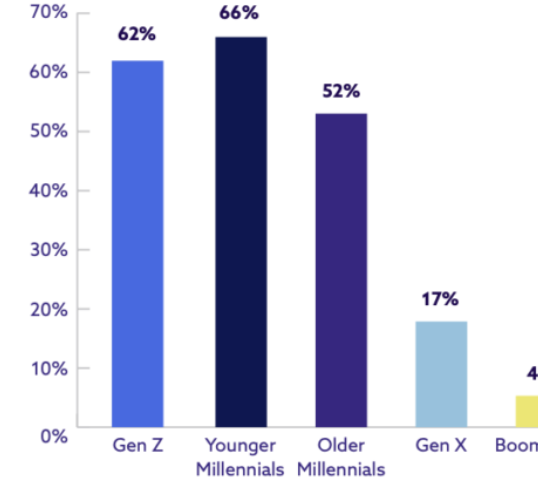
The report examines payment preferences across generations, from Generation Z to baby boomers, including how and why their choices differ.
It also uses survey data to challenge industry assumptions, including the idea that branches are no longer important to the member experience. The report concludes with takeaways and recommendations intended to help credit unions better serve members.
About The Survey
Velera surveyed 1,750 credit union members and nonmembers across the United States through an online survey conducted in July and August 2026.
Participants ranged from age 18 to 65 and older. Some 52% were male and 48% were female. Velera said respondents’ demographic characteristics aligned with consumer data from America’s Credit Unions’ Member Profile.
The study defined Generation Z as ages 18-29 and younger millennials as ages 30-37.