WASHINGTON — Three Democratic lawmakers have reintroduced legislation that would require large bank holding companies to cut emissions associated with their financial activities and halt financing for new or expanded fossil fuel projects, according to a statement from the lawmakers.
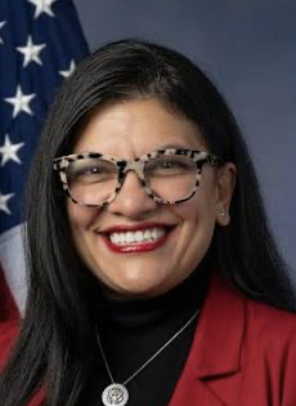
The Fossil Free Finance Act of 2026, introduced by Reps. Rashida Tlaib of Michigan and Ayanna Pressley of Massachusetts and Sen. Edward Markey of Massachusetts, would require bank holding companies with at least $50 billion in assets to adopt emissions transition plans.
Covered institutions would have to reduce financial sector emissions 50% by 2035 and reach zero by 2050, the lawmakers said.
Restrictions On Fossil Fuel Financing
The legislation would require covered banks to stop financing new or expanded fossil fuel projects within 60 days of enactment. It also would require an immediate end to thermal coal financing and facilitation and eliminate facilitation of commodities associated with deforestation risk, according to the statement.
The sponsors said the requirements would align financial activities with science-based emissions targets and address threats that climate change poses to financial stability.
“Our financial institutions and banks are funding the pollution of our air and water that make us sicker,” Tlaib said. “They choose to invest billions of dollars in dirty fossil fuel projects.”
Markey said banks’ financial ties to the fossil fuel industry require congressional action.
‘We Cannot Wait’
“We cannot wait for big banks to address the very climate crisis they are financing if we are serious about reducing greenhouse gas emissions and deforestation,” he said.
Pressley said the proposal would address both financial risks and health inequities associated with fossil fuel projects.
“We should be using every tool available to protect our planet, our people, and our economy, and one way we can do that is by stopping giant banks from financing fossil fuel projects,” she said.
Federal Reserve Reporting Requirements
The bill also would redefine financial sector emissions and require the Federal Reserve to report to Congress on emissions, commitments by covered institutions and progress toward the legislation’s targets.
The reports would address regulatory gaps, data challenges and needs associated with an equitable transition, the lawmakers said.
Public Citizen and Americans for Financial Reform endorsed the legislation. Alex Martin, climate finance policy director at Americans for Financial Reform, said continued financing of fossil fuel expansion increases risks to the public and the financial system.
David Arkush, director of Public Citizen’s climate program, said large financial institutions should reduce emissions associated with their financing and other financial services before climate-related risks trigger a financial crisis.
Other Co-Sponsors
Senate co-sponsors include Democrats Jeff Merkley of Oregon and Elizabeth Warren of Massachusetts and independent Bernie Sanders of Vermont.
Markey, Tlaib, Pressley and then-Rep. Mondaire Jones of New York first introduced the legislation in September 2021. Markey and Merkley reintroduced it in March 2023, according to the statement.
The lawmakers also noted Markey’s October 2022 reintroduction of the separate OPEC Accountability Act, which sought to require presidential consultations with the Organization of the Petroleum Exporting Countries and some non-OPEC countries over crude oil production.