WASHINGTON — The Federal Reserve plans to reorganize its bank supervision operations into five regions defined by state borders, replacing a structure based on its 12 reserve bank districts.
Michelle Bowman, the Fed’s vice chair for supervision, outlined the changes Oct. 6 at the Community Banking Research Conference in St. Louis. She said the reorganization is intended to strengthen accountability, clarify decision-making authority and improve coordination with other regulators.
Regional leaders will be responsible for supervisory activity within their areas. Examiners will remain at existing reserve bank locations and continue supervising the banks they currently oversee, according to Banking Dive.
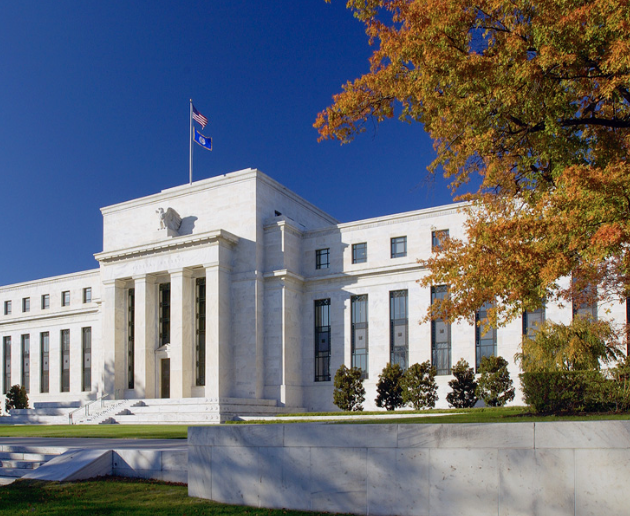
Bowman said the approach, informed by the Conference of State Bank Supervisors’ regional structure, would simplify leadership while preserving local supervision.
Addressing Decision-Making Delays
The Fed also plans to change how it uses supervisory committees. Bowman said a complex network of committees has delayed decisions and obscured responsibility, discouraging examiners from acting promptly on identified risks, Banking Dive reported.
She cited a preliminary Starling Advisory Group report on Silicon Valley Bank’s failure that identified a longstanding mismatch between decision-making authority and accountability for supervisory decisions.
Bowman said the Fed must address institutional culture, entrenched assumptions and organizational inertia while maintaining its focus on bank safety and soundness.
Mixed Assessments
Roman Goldstein, senior director at financial services consulting firm Klaros Group, told Banking Dive that Bowman is applying the examiner practice of identifying and addressing root causes to the Fed itself.
He said the Office of the Comptroller of the Currency made a similar change in 2013 that improved supervision, although the process took years.
Christopher Appel, director of banking policy at Better Markets, expressed skepticism that changing reporting lines would improve supervision.
Appel told Banking Dive the key questions are whether examiners will identify and escalate risks earlier and whether supervisory management will support recommendations that could prevent safety and soundness problems. He said those elements were missing before Silicon Valley Bank’s collapse.
Bowman also said the Fed will consider broader reforms later this year to bank supervisory portfolios defined by asset size, along with updates to its large-bank tailoring framework, Banking Dive reported.