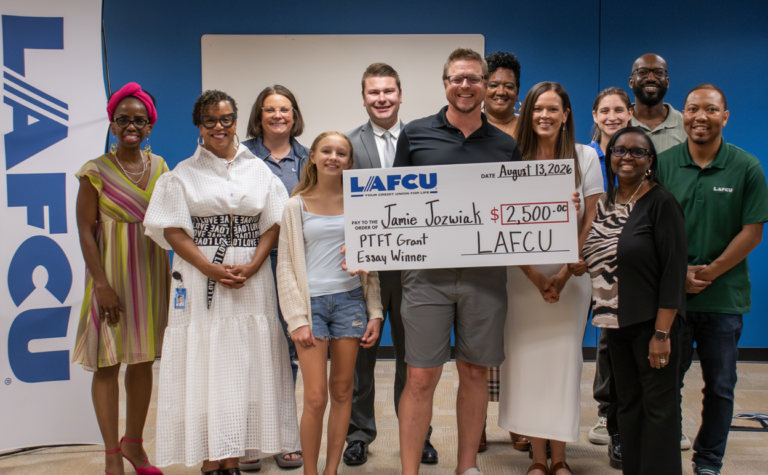
LANSING, Mich. — Four Michigan residents have each received a $2,500 grant through LAFCU’s 2026 Pathway to Financial Transformation Essay Contest after describing efforts to reduce debt, pursue an education and overcome financial hardship, the credit union announced.
The recipients are Tony Bell and Jamie Jozwiak of Lansing, Alexander Davis of Haslett and Belynda Williams of Eaton Rapids. Their essays detailed financial challenges, changes they have made and goals for building more secure futures, according to LAFCU.
“Financial education is most meaningful when it helps people turn knowledge into action and make lasting changes in their lives,” said Shelia Scott, LAFCU’s community financial education and business development officer. “That’s why LAFCU invests in programs like Pathway to Financial Transformation and provides grants like these. We want to give Michigan residents the tools, encouragement and resources they need to move forward financially and build stronger futures for themselves and their families.”
Creating a New Financial Roadmap
Bell moved from Louisiana to Michigan in search of a better life, then took on additional responsibilities caring for his nephew and working multiple jobs, LAFCU said.
The unexpected death of his mother brought emotional and financial challenges. Over the past year, Bell has stopped relying on credit cards and loans, opened a savings account and focused on budgeting, saving and reducing unnecessary spending.
According to LAFCU, Bell wants to create financial stability and break patterns of financial hardship for the next generation, showing his son and nephew that setbacks do not have to determine their futures.
Pursuing a Nursing Career
Davis, 34, is seeking admission to Lansing Community College’s nursing program while working two jobs, at UPS and Aldi. He has balanced coursework and employment while helping support his family during his father’s declining health, LAFCU said.
The experience prompted Davis to move beyond managing month-to-month expenses and begin tracking spending, building savings and planning for the future. He hopes to become a registered nurse and provide compassionate care to people facing difficult circumstances.
Davis plans to use the grant for transportation and other expenses associated with his education, according to the credit union.
Reducing Debt
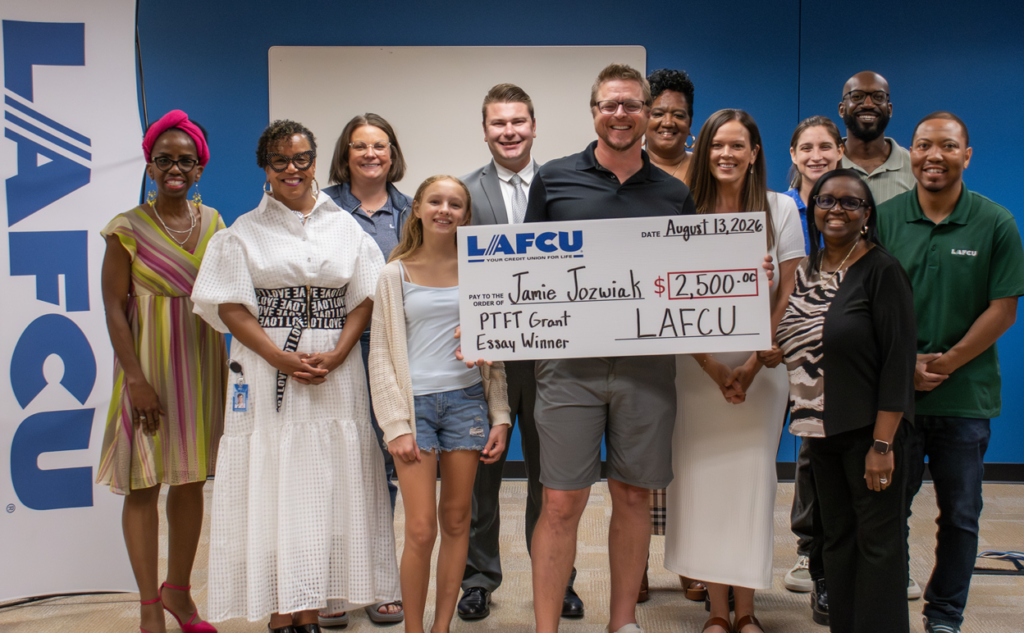
Jozwiak plans to use his grant to pay down his remaining student loan debt as he works toward becoming debt-free, LAFCU said. His essay described progress in improving his finances and a commitment to making thoughtful financial decisions.
“Finances have been a rollercoaster for me, and I’m extremely grateful for this money and for LAFCU,” Jozwiak said. “Thanks to this grant, we’re just two weeks away from closing on a house.”
Breaking Financial Cycles
Williams began changing her financial habits after recognizing that she had never received meaningful instruction in managing money, according to LAFCU.
After years of relying on payday loans, credit cards and other debt, she enrolled in LAFCU’s free Pathway to Financial Transformation course. She has since improved her credit, stopped relying on credit cards and begun working to eliminate debt while saving for a reliable vehicle, the credit union said.
Williams also shared the lessons with her teenage son, who has started saving and investing his earnings. LAFCU said she hopes to give him the financial foundation she wishes she had received earlier in life.
Contest and Course Details
The contest asked Michigan residents to explain the choices that shaped their financial decisions, describe their progress over the previous 12 months and discuss how a grant would help them pursue their goals.
Recipients were selected based on how clearly and effectively their essays answered those questions, as well as writing quality, formatting, spelling and grammar, LAFCU said.
The contest is part of the credit union’s financial education efforts. Its Pathway to Financial Transformation program is a free, eight-month virtual course designed to help Michigan residents improve their financial knowledge and money management skills and develop plans for long-term financial stability.