


WASHINGTON — Fraud losses reported by Americans age 60 and older have increased fivefold over the past five years, reaching approximately $3 billion in 2025, while the actual financial toll on older consumers could be as high as $119.5 billion, according to a new Federal Trade Commission report to Congress.
The FTC’s latest report, Protecting Older Consumers 2025-2026, found that reported losses among older Americans have surged from approximately $600 million in 2020, driven largely by an increase in extraordinarily large individual losses.
The agency said its estimate of as much as $119.5 billion in overall fraud losses reflects the potentially much greater financial impact of scams beyond those formally reported to authorities.
“The FTC is committed to protecting older Americans from scams, including by taking every action necessary to shut down fraud operations,” said Christopher Mufarrige, director of the FTC’s Bureau of Consumer Protection.
“This latest report showcases our enforcement actions, outreach efforts and other initiatives the FTC has undertaken to defend older adults from fraudulent enterprises and educate Americans on how best to protect themselves from scams,” he added.
Investment Scams Among Biggest Threats
According to the FTC, an analysis of fraud complaints submitted to its Consumer Sentinel Network in 2025 revealed several significant trends:
- Investment scams: Reported losses among older adults jumped 42% in 2025 to more than $1 billion. Victims frequently reported being contacted by scammers through social media.
- Higher Individual Losses: Older adults continued to report substantially higher median financial losses than younger consumers. Among adults age 80 and older, the median reported loss was $2,000.
- Fivefold Increase: Total reported fraud losses among consumers age 60 and older increased from approximately $600 million in 2020 to $3 billion in 2025.
- Fraud Reporting Differences: Despite experiencing larger individual financial losses, older adults were less likely than younger consumers to report losing money to fraud. They also submitted reports involving attempted fraud without financial losses at substantially higher rates.
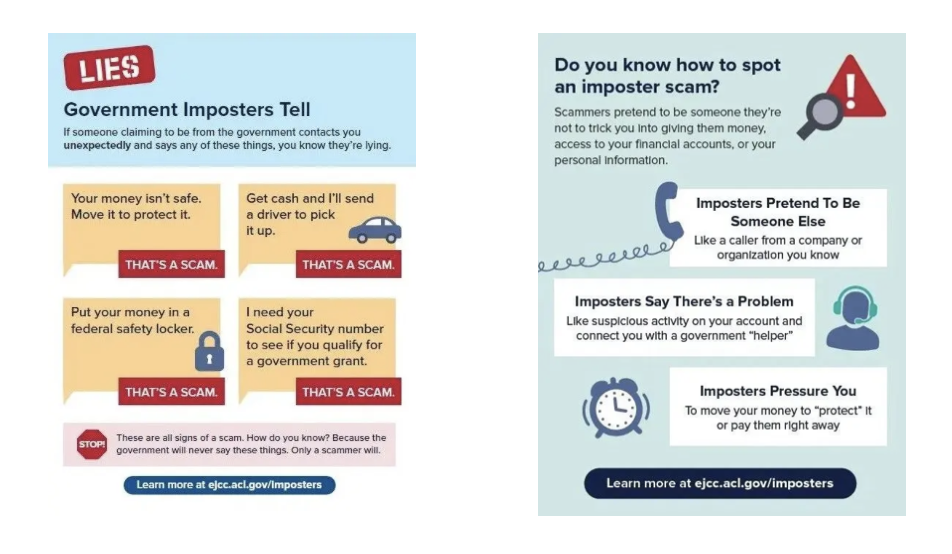
- Common Scam Types: Older consumers were more likely than younger adults to report losing money to technology support scams; prize, sweepstakes and lottery scams; romance scams; government impersonation schemes; and scams involving individuals impersonating friends or family members.
FTC Details Enforcement Actions
The report also outlines the FTC’s efforts to combat fraud targeting older Americans through law enforcement actions, consumer education and partnerships with other organizations.
According to the agency, its enforcement activities included cases involving:
- Debt relief services.
- Health insurance fraud.
- Government and business impersonation schemes.
- Fraudulent money-making opportunities.
- Technology support scams.
The FTC said these actions are part of its broader efforts to stop unfair or deceptive business practices that disproportionately affect older consumers.
Education, Financial Industry Partnerships Emphasized
The FTC also highlighted its consumer education initiatives, including the Never Ever campaign, a coordinated public-private effort designed to help consumers recognize and avoid government and business impersonation scams.
The agency said it has worked with partners across government, academia, nonprofit organizations and the financial services, retail and technology industries to expand fraud prevention education and outreach.
The report also emphasized coordination with criminal law enforcement agencies to provide assistance to older fraud victims.
Among those efforts is referring older adults who have suffered significant financial losses to the Department of Justice’s National Elder Fraud Hotline, which can provide additional assistance and resources.
The FTC said its enforcement, education and coordination efforts are intended both to prevent scams and to help victims recover from their experiences.
The commission voted 2-0 to authorize issuance of the report to Congress.