

LAS VEGAS–The FDIC and NCUA face many of the same challenges in overseeing safety and soundness in an increasingly AI-fraud-driven world.
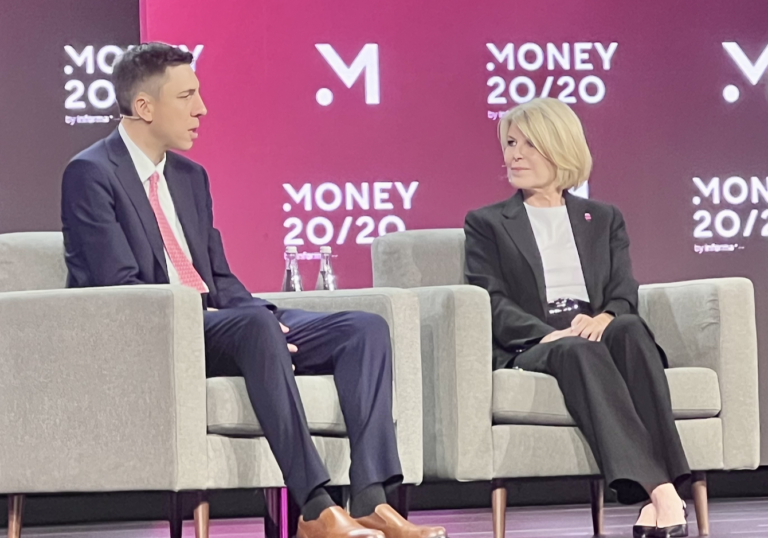
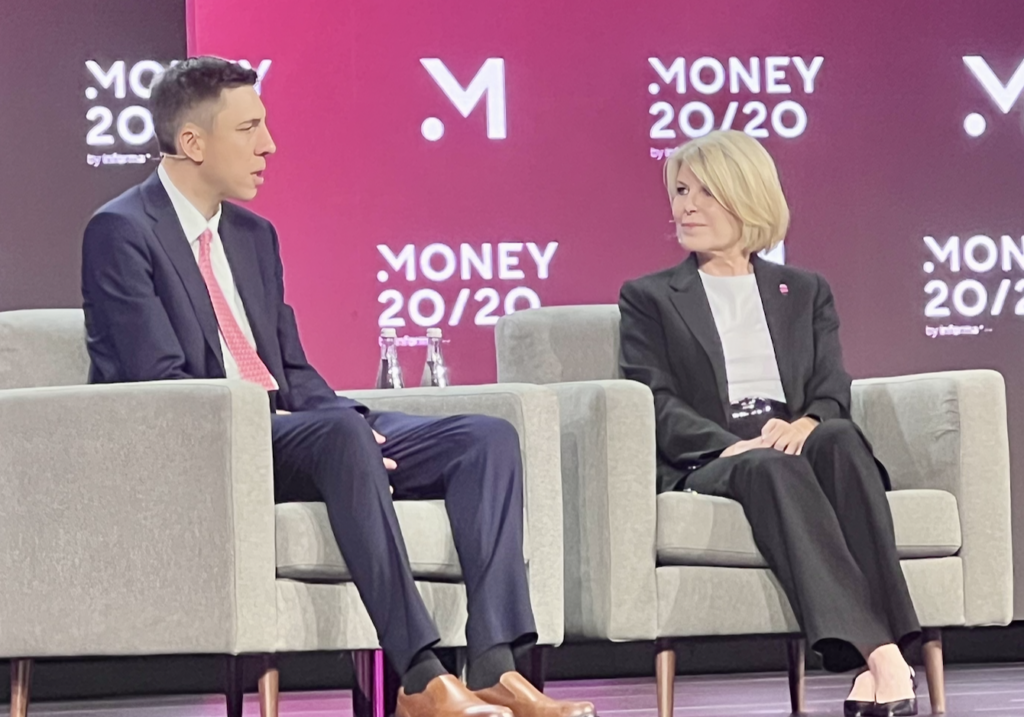
FDIC Chairman Travis Hill pulled the curtain back a bit on some of what the bank deposit insurer is doing during a Q&A at the Money 20/20 Conference. The discussion was moderated by Penny Lee of the Financial Technology Association.
Below is some of what Hill had to say:
Lee: How are you adding new bank charters and doing so faster?
Hill: It has been one of my priorities and of this administration and that is to improve the de novo process and get more banks into the system. Having a pipeline of new institutions is important.
From the process side, we have announced two new phases. Historically, the way it has worked is a group that wanted a national charter would first go to the OCC and then come to the FDIC. That process was often duplicative. The idea now is applicants can come to the OCC and FDIC together, and a lot more of the review would be done jointly. We are also working to align with the states, too.
When applicants come to FDIC we proved a contingent application. The first phase is the key analysis, and organizers could get a signal that they can use to raise capital and flesh out the plan.
This process in place for applications began on Aug. 15. We have received about a half dozen so far.
Lee: One theme at this conference is faster payments, faster movement of money, being global on day one. But with that, the concern is how do we build trust and how do we respond to fraud getting faster? How do you think about, in an agentic world, KYC and fraud holistically, and specifically, how to help with customer identification?
Hill: There is a lot of thinking and work going on in this area. We have worked to modernize the Customer Identification Program. We now accept the final four digits of the Social Security number, instead of all nine. We allow prepopulating of customer information from affiliates and other sources. We’ve worked with FinCEN and other agencies on FAQs around digital identifies.
These are small steps, but we are also mindful the world is evolving rapidly. As you know, there are new tools that make identity authorization more difficult.
We have been working with Treasury around longer-term visions for the kind of steps we can take here around identity authentication. We are very mindful of the evolving fraud threat.
Lee: How do you think about a holistic view of the consumer, the flow of data and the safe and sound transfer of data?
Hill: There are some deeper questions there that are not in our purview at FDIC. But more broadly, we do recognize fraud as a large and growing problem, and we do think a lot about what steps can be taken. This is a whole government approach right now.
Our role from the FDIC’s perspective is more limited, given our authorities. We did recently announce some steps around information sharing related to fraud. There are rules that requires banks to release funds very quickly. But there are situations where it would be in everyone’s interest not to release it right away.
A lot of it is also awareness and public education.
Lee: What are the questions you are curious about and what you want to learn from some of these fintech companies?
Hill: There is a lot to ask there. In terms of questions for companies around what kind of capabilities do the tools have today, what adoption are you seeing, what are the costs involved, what are the reactions of different players in the ecosystem?
Lee: How is the agency itself adopting AI to be more efficient?
Hill: Like a lot of government agencies, we are a lot less nimble, so that’s been frustrating. We do have a couple of tools we are using right now and are being more strategic in how we build out those tools to ensure we are making progress in achieving longer-term goals.
The best use-cases are on the supervisory side and resolution side–loan reviews and safety and soundness reviews, being able to review trust documents. There is a lot of progress there.




