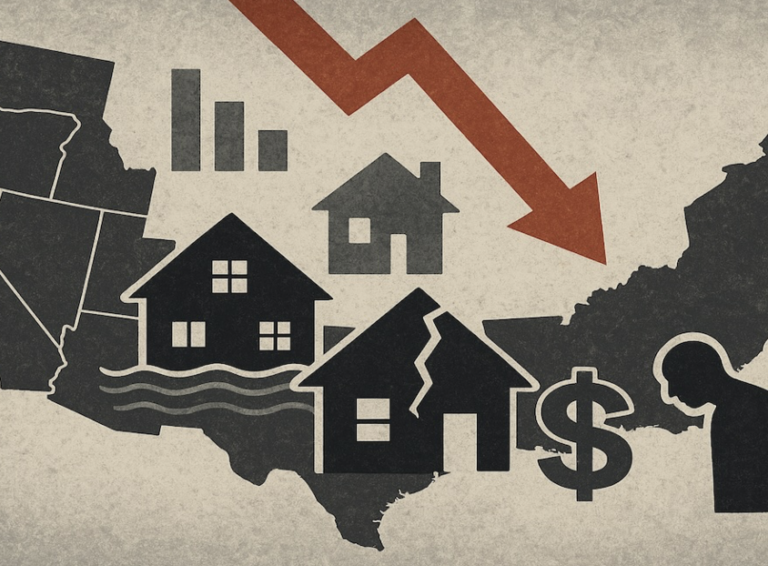
NEW YORK — The U.S. housing market could experience its weakest year in more than a decade as elevated mortgage rates suppress sales and keep home prices nearly flat, according to a Capital Economics forecast.
Capital Economics expects annual home sales to fall to about 4.7 million by the end of 2026, which would represent the slowest pace since 2011.
After a modest recovery in 2025, homebuying activity has weakened this year as borrowing costs have increased amid renewed inflation concerns and expectations for higher Federal Reserve interest rates.
“Strengthening economic growth will not provide much of a lift to the housing market, which we expect to remain in its structural malaise,” Capital Economics economists wrote, according to Business Insider.
Mortgage Rates to Remain Above 6%
Capital Economics expects mortgage rates to remain above 6% for at least two more years, continuing to constrain affordability and discourage homeowners with lower-rate mortgages from selling.
The average 30-year fixed mortgage rate was 6.67% in the latest week, according to Freddie Mac data cited by Business Insider.
Capital Economics expects the Federal Reserve to raise rates by 75 basis points by early 2027. The firm forecasts the 30-year mortgage rate will finish 2026 at about 6.5% before declining to approximately 6.25% by 2028.
Home Prices Expected to Stall
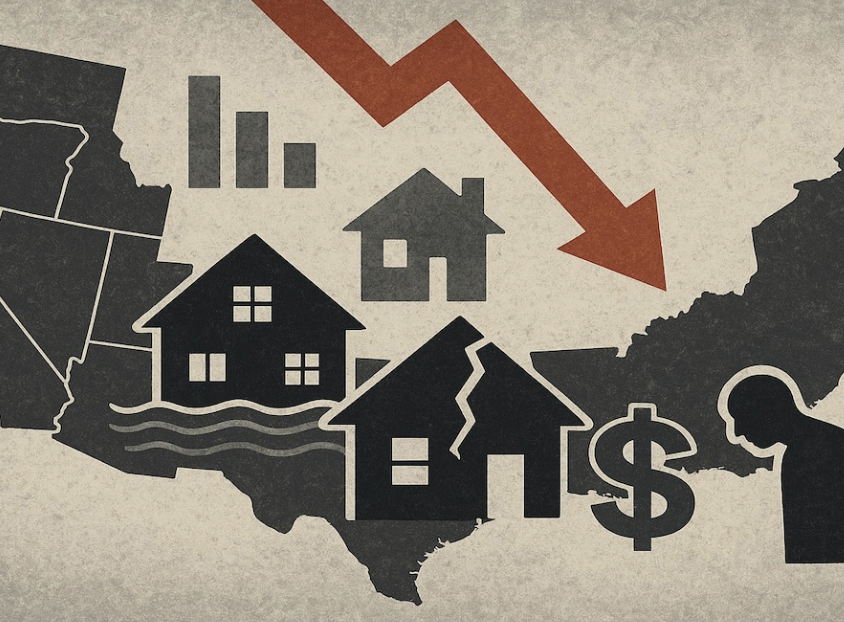
Home prices are forecast to show no annual growth in 2026, which Capital Economics said would be the weakest performance in 15 years.
Prices are then expected to increase 2.5% in 2027 and 4% in 2028. Even with those gains, Capital Economics said the three-year period would be the weakest for home-price growth since 2011.
Home prices increased 1.1% year over year in May, according to the S&P CoreLogic Case-Shiller U.S. National Home Price Index cited by Business Insider.
Additional Downside Risk
Capital Economics also sees downside risk if its forecast for a 20% correction in the S&P 500 by late 2027 proves accurate. A sharp decline in household wealth could further reduce housing demand and put additional pressure on prices.
Still, economists do not expect a housing collapse. Capital Economics said a more severe downturn would probably require a U.S. recession, which is not its baseline forecast.