DETROIT — Only about 30% of Americans say they know their neighbors beyond a casual level, even as most report that strong communities improve quality of life, according to a survey released by Rocket Mortgage.
The survey found nearly 80% of respondents believe strong neighborhoods enhance their quality of life, despite declining day-to-day interaction among neighbors.
According to Rocket Mortgage, Americans increasingly report hesitation when it comes to initiating contact with those living nearby:
- 41% said knocking on a neighbor’s door feels too bold
- 22% said they feel awkward making the first move
“We have tools at our fingertips that connect us with anyone on the planet, but we don’t know the person next door,” Sarah Tarraf, senior vice president of knowledge and data insights at Rocket, said in a statement. “People want connection, but they fear being intrusive and being rejected.”
‘Gap’ Discovered
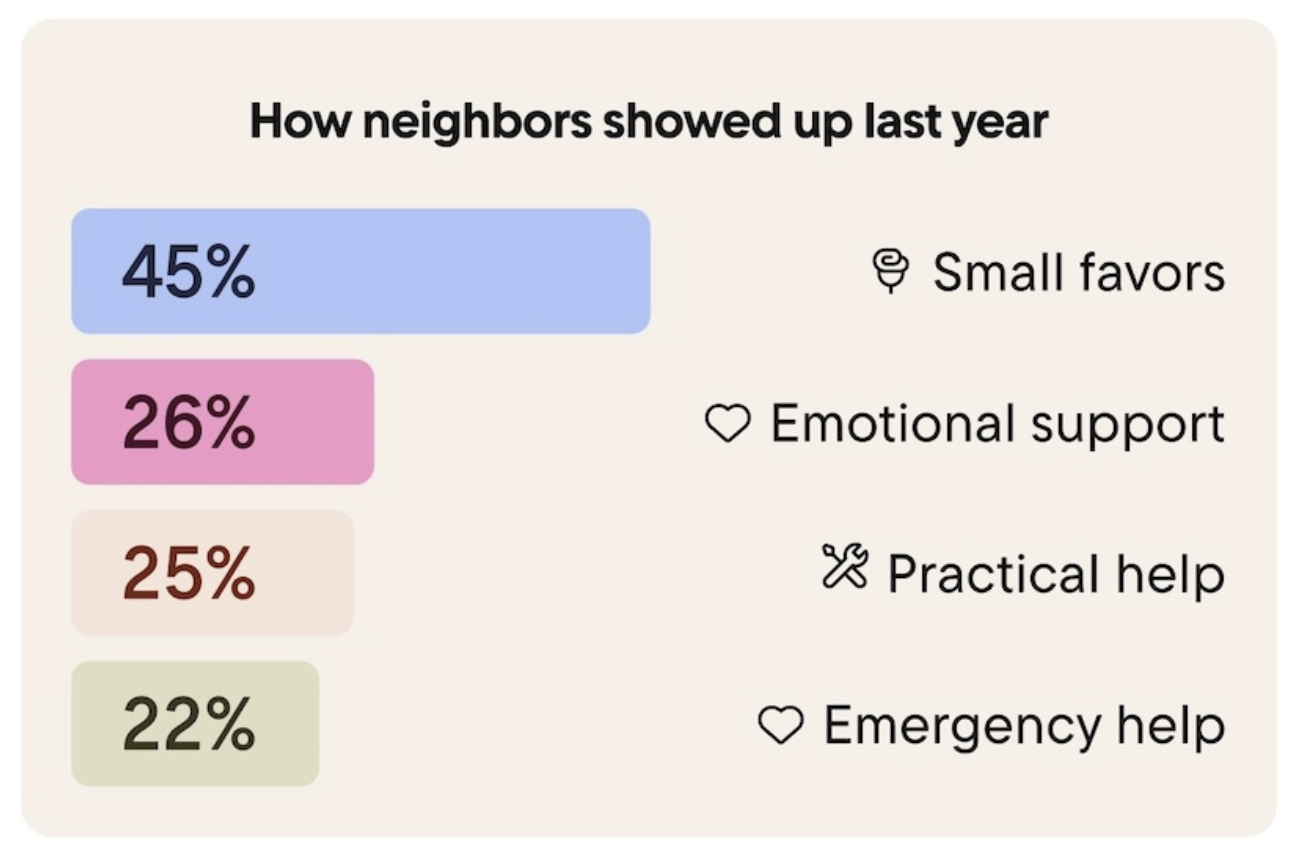
The findings suggest a gap between desire for connection and actual behavior. While only 17% of respondents said they intentionally seek out interactions with neighbors, 68% reported receiving support from a neighbor in the past year.
Additional findings cited by Rocket Mortgage include:
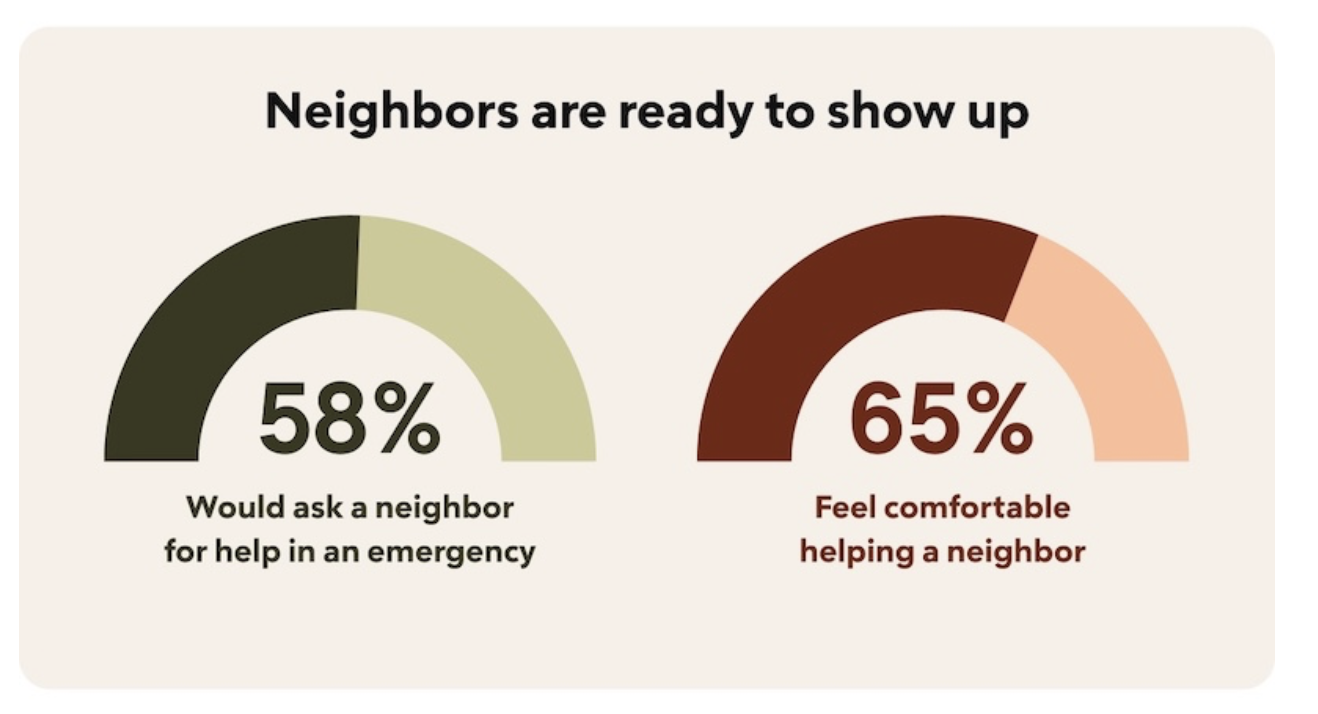
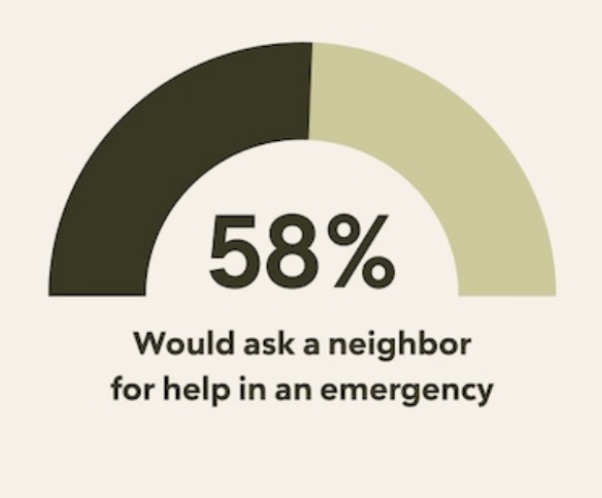
- 58% said they would turn to a neighbor in an emergency
- 65% said they feel comfortable offering help to neighbors
The survey also found 42% of Americans believe people in their neighborhoods tend to keep to themselves, a shift Rocket Mortgage attributed in part to the decline of so-called “third spaces” such as parks, restaurants and libraries where social interaction once occurred more naturally.
Even so, 81% of respondents said opportunities to connect outside the home and workplace remain important, with 33% identifying outdoor public spaces as key gathering points.
Digital platforms have not fully replaced in-person interaction, according to the survey, with only 25% saying social media helps facilitate relationships with neighbors.
The Role of Time Constraints
The data also indicated that time constraints play a role, with 29% saying they sometimes avoid socializing with neighbors because they are busy or preoccupied.
Still, small interactions may matter most, the survey found:
- 53% said brief, repeated moments — such as saying hello or returning a misdelivered package — are more effective at building relationships than planned gatherings
“Neighborhood connection often starts with something small,” Tarraf said.
The company did not disclose the survey’s sample size or methodology in the statement.
For more info, go here.