
PALM DESERT, Calif.–There isn’t a single answer to the question of what a member is seeking from their credit union or the role they want the credit union to play, because that question really depends on who is asking it and the perspective they are coming from, according to one person, who offered insights into what different groups of members are thinking and feeling.
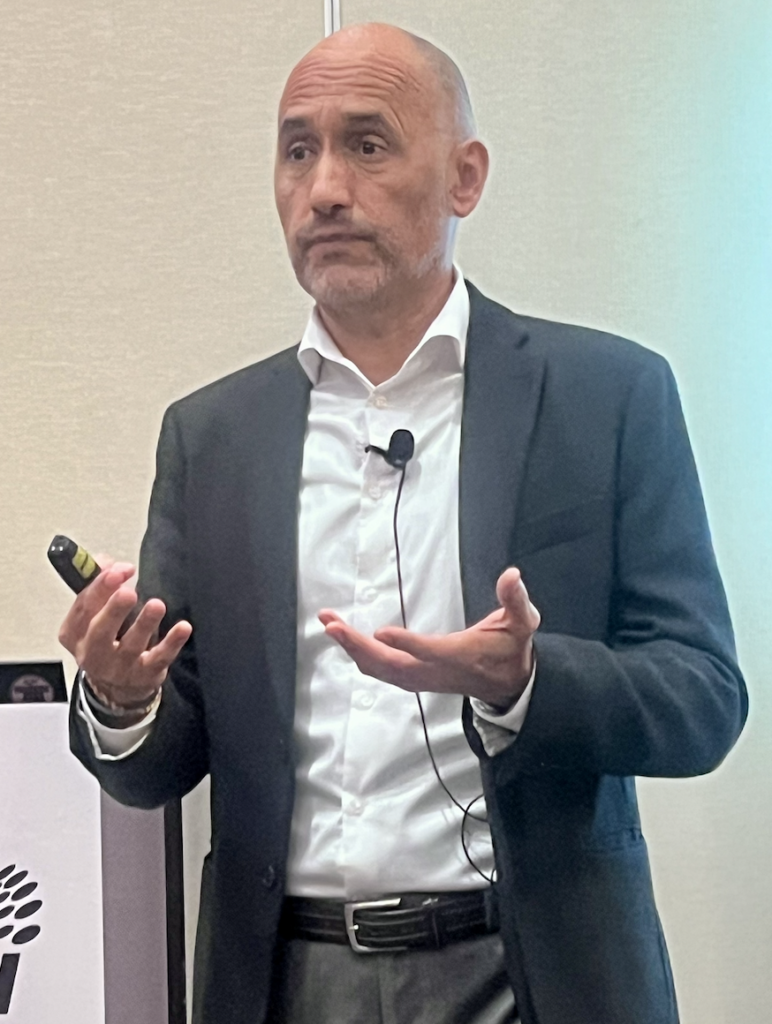
Edgar Hernandez, senior manager–multicultural business strategy with TruStage, shared with the California and Nevada league’s REACH Conference in Palm Desert, Calif. insights from the extensive findings that are part of the company’s ongoing research titled, “What Matters Now 2026: American Reality vs. the American Dream—Multicultural and Multigenerational Insights.” He noted TruStage’s researchers have been working on the project for about a year as they parsed through new findings and eight prior years of findings from surveys that included both members and nonmembers, and both quantitative, online surveys and qualitative interviews.
The qualitative study asked, “What does the American Dream mean to you?” “What is holding you back?”
The Answer: It Depends
Hernandez walked his audience through the findings and how they differ slightly depending on the age or demographic group. While there were commonalities in concerns around the American Dream and whether it is even achievable, there were also differences that are meaningful enough to help specifically guide how a credit union reaches out to members and prospects, he explained.
For example, he noted, “Healthcare was a big takeaway across generations as a concern. All of the research offers prompts to brainstorm around solutions.
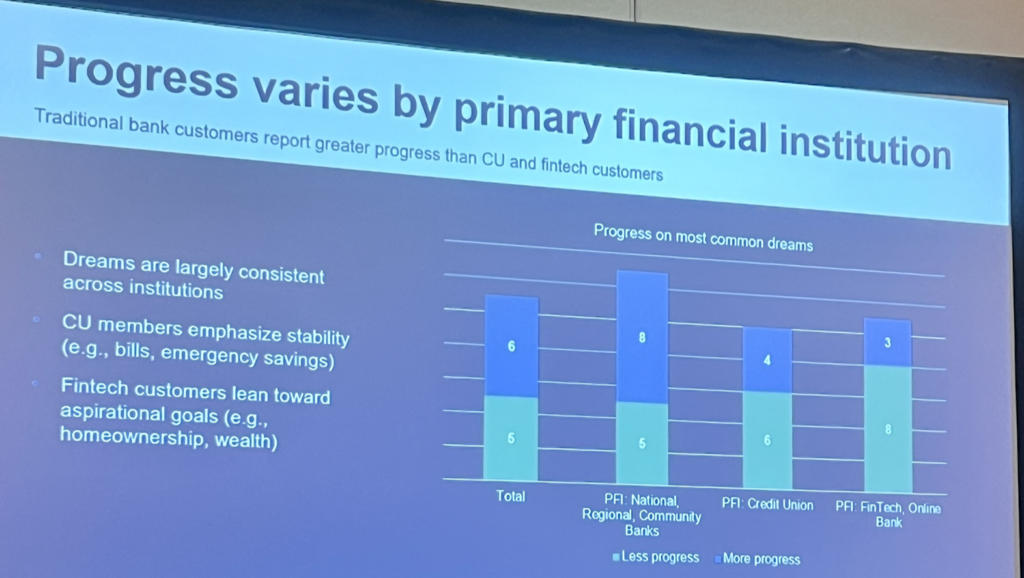
Throughout his remarks Hernandez shared multiple graphics illustrating the findings. With primary financial institutions, for example, the research found national banks remain the primary financial institution of choice, at 39%, followed by credit unions at 15%, and then money and payment services at 12%.
“The latter is the Chimes and Zelles, which did not turn up in the data just four years earlier,” he said. “The positive news here is that when it comes to trust and satisfaction, credit unions still lead. Not by much, but you still lead. How do you engender that trust?”
The challenge then, he said, is how to explain to consumers that a credit union “does things differently.”
Interest in Products
Of all the data, Hernandez pointed to a chart showing that multicultural consumers and younger generations are more likely to get a loan in the next five years. Credit cards were the most likely product, followed by an auto loan, home mortgage and used auto. But the growth.
The takeaway was that Native-American and multiracial consumers have the most interest in a product from credit union, he pointed out.
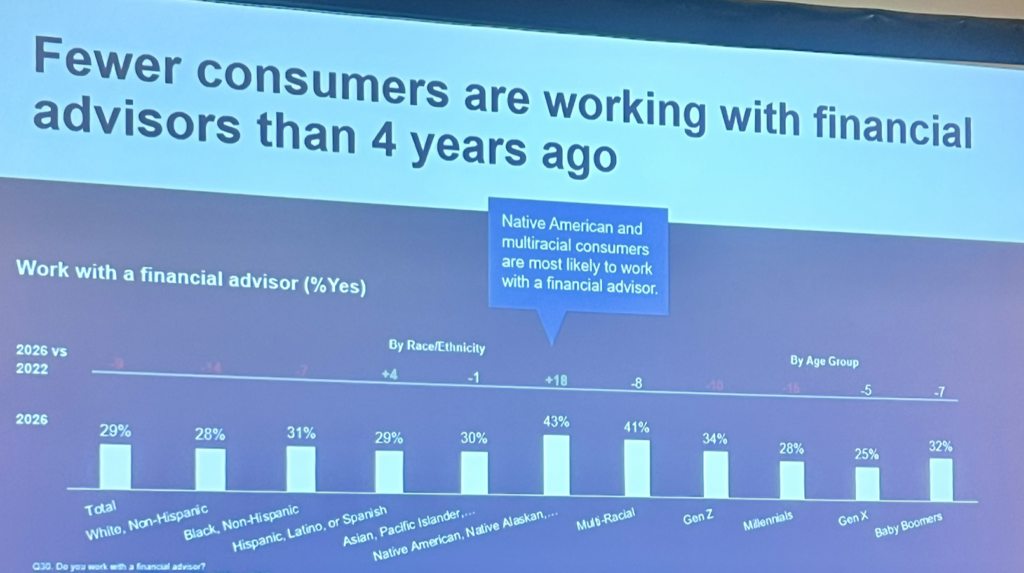
Financial Advisors
As the graphic shows, TruStage found that consumers are working with financial advisors than four years ago.
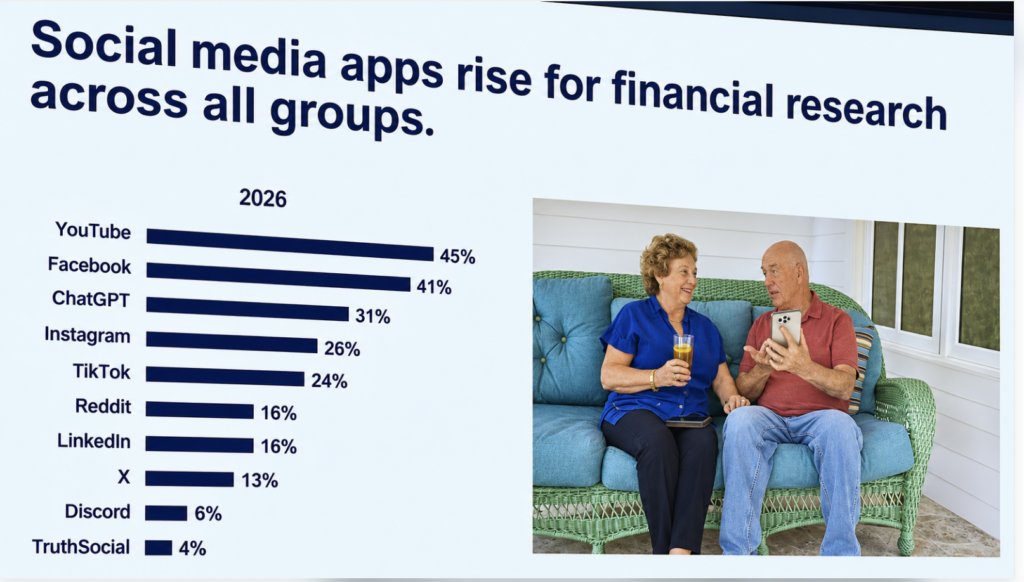
A Rapidly Growing Presence
One interesting finding in the consumer research, Hernanez said, is how quickly ChatGPT has become a channel in which consumers look for information.
Partnership
When consumers were asked, “Which social causes that matter to you the most,” the top three were:
- Homelessness
- Food insecurity
- Education
Hernandez noted that in 2022, homelessness did not even appear in the concerns.
“If it matters to them, how can it matter to you? It’s about being at the right place with the right audience,” he said.
The American Dream
Hernandez said the TruStage research around the American Dream varied by demographic, ethnic and age groups, and snippets from the interviews TruStage conducted revealed a lot of skepticism and pessimism over whether that dream is attainable anymore.
The research found there were six common aspects of the American Dream:
- Having enough money to retire comfortably (35%)
- Being debt free (34%)
- Providing for my family (34%)
- Having savings for emergencies (27%)
- Paying all my bills on time
- Owning a home. (At 26%, a “surprise,” said Hernandez).
Hernandez challenged credit unions to think about what they might say to a member who has a dream?
“The American Dream evolves with each generation,” he said. “Younger consumers balance traditional goals with new definitions of success. How can you adapt and empathize, not talk over them, but listen to them and learn from them? Empathy is really understanding what they are saying.”