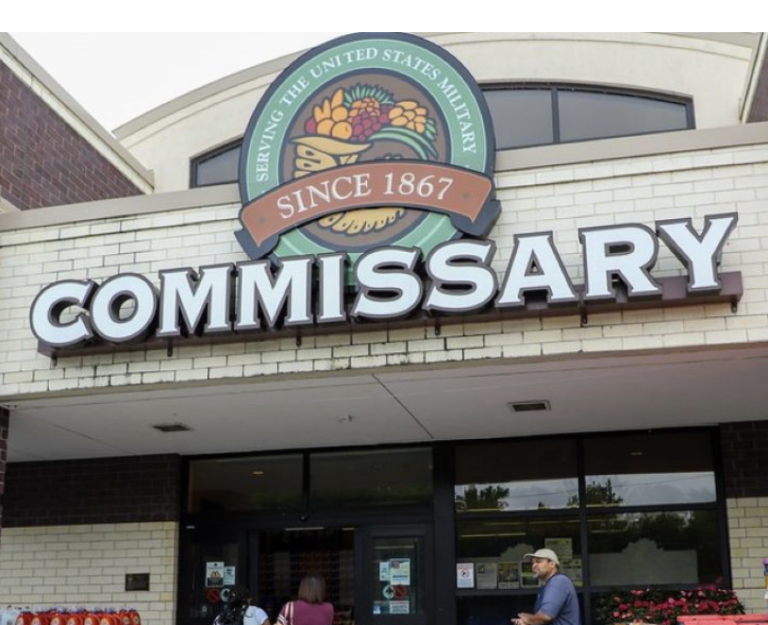
WASHINGTON — The Defense Credit Union Council is urging Senate leaders to block proposals involving payment-card interchange fees at military commissaries from the fiscal 2027 defense authorization bill, warning that the measures could ultimately threaten financial services used by military families.
In a letter to Senate Majority Leader John Thune and Minority Leader Chuck Schumer, DCUC Chief Advocacy Officer Jason Stverak called for excluding any commissary interchange amendment, including a proposed study or report, from amendment packages, negotiations and the final National Defense Authorization Act.
The organization also opposed efforts to use the defense bill to advance the Credit Card Competition Act or related payment-routing requirements associated with Sens. Dick Durbin and Roger Marshall. It noted the request builds on DCUC’s June 29, 2026 FY2027 NDAA letter.

“Military families should never be used to sell a payments policy that could leave them with higher costs and fewer financial options,” Stverak said in a statement released by DCUC. “Putting the word ‘commissary’ in an amendment does not establish a benefit for the people who shop there.”
Laying the ‘Groundwork’
DCUC acknowledged that a study would not itself impose new routing requirements. But the group argued that research focused on lowering interchange fees could lay the groundwork for broader mandates without adequately weighing fraud prevention, cybersecurity, access to credit and cardholder benefits.
Interchange fees help cover the costs of issuing cards, monitoring fraud and maintaining payment services, DCUC said. The council contended that reducing the revenue supporting those functions could put pressure on member fees, card benefits and credit availability, including at smaller institutions not directly covered by a mandate.
“Defense credit unions help families manage the financial demands of deployments, military moves, and unexpected emergencies,” DCUC President and CEO Anthony Hernandez said. “Congress should protect the institutions and payment services those families count on.”
The Defense Council urged lawmakers to distinguish between lower payment-processing costs and demonstrated savings for consumers. It also called for safeguarding military shoppers’ financial privacy and addressing commissary charges through more targeted policies and funding decisions.
DCUC said its position is consistent with objections it raised in letters and statements in 2024, 2025 and June 2026. Those efforts opposed interchange-related studies and routing proposals tied to defense legislation.
‘Launching Point’ for Harm
“A study that becomes the launching point for harmful payment mandates deserves the same scrutiny as the mandates themselves,” Stverak said.
DCUC said continues to support bipartisan financial-readiness reforms developed with the relevant congressional committees, including measures addressing credit union liquidity, loan-maturity authority, and veteran business lending. It further stated its September 8, 2026 letter outlined that constructive approach to the FY2027 NDAA.