


NEW YORK — Three major foundations are providing funding for the launch of a nationwide credit union brand under the MSUFCU umbrella designed specifically around the financial needs of people with disabilities, their families, caregivers and advocates.
The Ford Foundation, John D. and Catherine T. MacArthur Foundation and Robert Wood Johnson Foundation announced the initiative in partnership with the $8.7-billion Michigan State University Federal Credit Union in East Lansing, Mich.
Artichoke Credit Union will operate as a trade name and sub-brand of MSUFCU rather than as a separately chartered credit union, the organizations said. It is expected to begin accepting members early in the second quarter of 2027. MSUFCU operates several sub-brand credit unions, including AlumniFi and Collegiate.
The organizations described Artichoke as the first credit union initiative of its kind, designed specifically with the disability community at the center of its products, services and accessibility features.
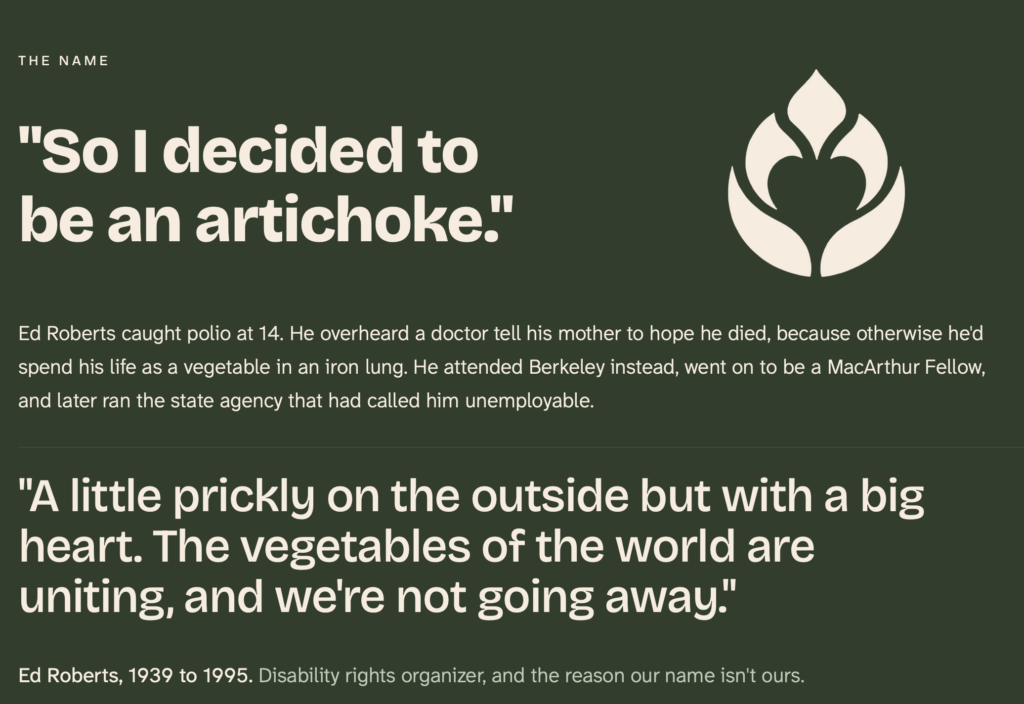
According to its website, the name for the credit union is explained below.
Research Identified Financial Barriers
The Ford Foundation previously partnered with the Financial Health Network to study the feasibility of creating a financial services organization designed specifically for people with disabilities.
According to the organizations, the research identified barriers including financial services that fail to meet the needs of people with disabilities, high fees, limited access to affordable credit, asset limits affecting eligibility for certain benefits and limited awareness within the financial industry of tools such as ABLE accounts.
The research also found many financial institutions do not actively seek to serve the disability community and often lack an understanding of the range of financial needs and experiences among people with disabilities.
Artichoke is intended to address some of those issues through accessible banking services, financial education, responsible lending and products designed with input from the disability community, according to the organizations.
At launch, Artichoke is expected to offer checking and savings accounts, certificates, personal loans, credit and debit cards, budgeting tools and financial education resources.

Members also are expected to have access to live chat, telephone and video support, along with accessibility-focused features including account alerts, guardian access options and other tools developed around the needs of members.
A $5 membership share will establish membership in the credit union.
MSUFCU Will Operate Credit Union Brand
MSUFCU is a low-income designated federal credit union serving more than 400,000 members.
April Clobes, president and CEO of MSUFCU, said the initiative builds on the credit union’s previous work to improve accessibility, including accessible ATMs, accessibility-focused lending programs and investments in financial technology.
“The creation of Artichoke Credit Union is more than a new brand. It is an opportunity to listen, learn, and build alongside the disability community,” Clobes said.
She said MSUFCU intends to use the initiative to further the credit union movement’s goal of making financial services more accessible and inclusive.
Artichoke will be a trade name of MSUFCU and will be regulated by the National Credit Union Administration. Member deposits will be federally insured up to applicable limits, the organizations said.
Foundations Back Initiative
The three foundations are members of the President’s Council on Disability Inclusion in Philanthropy. They announced Artichoke during a Ford Foundation-led disability economic summit at Gallaudet University in Washington.
Ford Foundation President Heather Gerken said millions of Americans with disabilities face difficulties accessing financial tools that can help them build assets and achieve greater financial independence.
“Artichoke Credit Union is designed by and for the disability community and exemplifies the structural changes needed to dismantle systemic barriers, expand access, and restore economic agency for every individual,” Gerken said.
MacArthur Foundation President John Palfrey said the initiative demonstrates the potential benefits of incorporating the perspectives of people with disabilities into the design of financial institutions.
Robert Wood Johnson Foundation President and CEO Richard Besser said financial well-being is closely connected to health.
“Artichoke Credit Union will help tear down persistent barriers to financial stability for people with disabilities, creating pathways for dignity, financial freedom, and, ultimately, better health,” Besser said.
Name Honors Disability Rights Pioneer
The Artichoke name is inspired by Ed Roberts, a prominent leader in the independent living movement.
Roberts contracted polio at age 14. After overhearing a doctor tell his mother he would be a “vegetable” if he survived, Roberts later recalled that he decided instead to be an artichoke — “a little prickly on the outside but with a big heart.”
Roberts also was the first person with a disability to receive a MacArthur Fellowship, according to the organizations.
The initiative also has the support of former U.S. Sen. Tom Harkin and former U.S. Rep. Tony Coelho, two of the principal congressional authors of the Americans with Disabilities Act.
Harkin said that although the ADA helped remove many physical barriers, financial services can continue to present accessibility challenges, including websites that do not work properly with screen readers and mobile applications that can be difficult for people with certain physical disabilities to navigate.
“True independence is not just about being able to physically get through the front door of a bank; it is about what you can do once you are inside, or when you log on to their app from home,” Harkin said.
Coelho said economic inclusion remains part of what he described as the “unfinished business” of the ADA.
“For too long, issues like lack of accessibility and asset limits have restricted the potential for full economic inclusion and access to capital,” Coelho said.
He said Artichoke’s approach of designing financial services in partnership with people with disabilities could help address those barriers and said he plans to become a member when the credit union brand launches next year.




