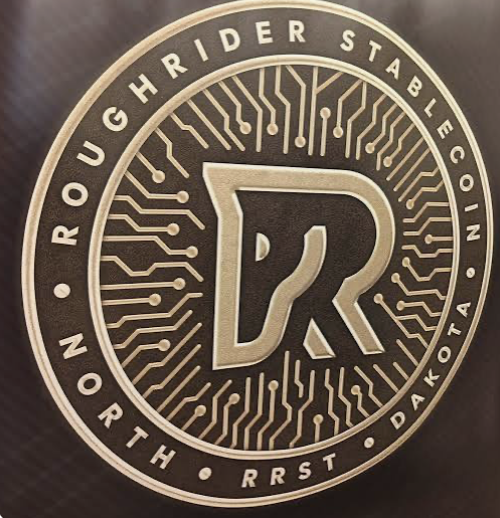
BISMARCK, N.D. — Two North Dakota credit unions are among four financial institutions participating in a pilot program to test a new U.S. dollar-backed stablecoin developed by the Bank of North Dakota (BND) to modernize interbank payments.
Capital Credit Union, based in Bismarck, and North Star Community Credit Union, based in Maddock, were selected to work with the state-owned bank in testing and validating Roughrider Coin, according to the Dakota Credit Union Association (DakCU).

The association said the initiative provides credit unions with firsthand experience using blockchain-based payment technology in a regulated financial environment while giving them an opportunity to help shape the future of digital payments.
Stablecoins are digital assets designed to maintain a stable value relative to another asset, typically the U.S. dollar. They can be used to transfer funds through blockchain-based networks, potentially offering financial institutions new ways to process payments and settlements.
Credit Unions Gain Seat at the Table
DakCU President and CEO Joe Keller said the participation of the two credit unions represents an important development for the state’s credit union movement.
“Having two credit unions at the table as BND developed and tested Roughrider Coin is significant,” Keller said in a statement. “It gives our credit unions an opportunity to understand this technology from the inside, ask the right questions, and help shape what the future of payments could look like for credit union members.”
According to DakCU, the pilot allows participating institutions to evaluate how digital assets might be incorporated into financial services while maintaining regulatory safeguards and protecting members.
CUs Explain Their Participation

North Star Community Credit Union President and CEO Bob Herrington said the institution joined the initiative to better understand emerging payment technologies and their potential benefits.
“We wanted North Star to help shape the future of payments and gain firsthand experience with technology that could become important to our members and our industry,” Herrington said in a statement.
He added that working alongside Capital Credit Union and BND provides an opportunity to bring a credit union perspective to the development of Roughrider Coin.
“We are committed to evaluating new technologies and implementing them in a timely, responsible way when they offer practical value for our members,” Herrington said. “This pilot helps us prepare to do that while keeping member trust at the center of every decision.”
Capital Credit Union CEO Jon Griffin said the initiative reflects the need for credit unions to respond to changing consumer expectations.
“Our members’ expectations continue to evolve, and as a credit union we have to evolve with them,” Griffin said in a statement. “Roughrider Coin gives us an opportunity to explore emerging payment technology in a practical and responsible way while continuing to focus on what matters most, serving our members.”
Griffin also credited BND for making the technology accessible to community financial institutions.
‘Significant Time Invested’
“Bank of North Dakota has invested significant time, resources, and expertise to make this possible for community financial institutions across the state,” Griffin said.
He said the bank’s transparent approach has helped participating institutions better understand the technology and prepare for potential changes in payment systems.
DakCU characterized the pilot as successful and said Roughrider Coin is moving toward broader availability for financial institutions across North Dakota.
The association said the collaboration demonstrates how credit unions, community financial institutions and the state-owned bank can work together to explore emerging technologies.
The association did not provide a specific timetable for broader implementation or disclose transaction volumes, processing speeds or other performance measurements from the pilot.
DakCU said it supports the continuing collaboration as the initiative moves beyond its initial testing phase.