WASHINGTON–Sen. Elizabeth Warren could emerge as one of the most influential figures in Washington’s financial regulatory and economic policy debates if Democrats regain control of the Senate in the midterm elections, with the Massachusetts Democrat expected to become chair of the Senate Banking Committee and pursue an agenda that could attract support from some Republicans.
According to an analysis by Politico, Warren is expected to pursue bipartisan initiatives targeting artificial intelligence, technology exports to China, housing affordability and the growing role of private equity in the housing market.
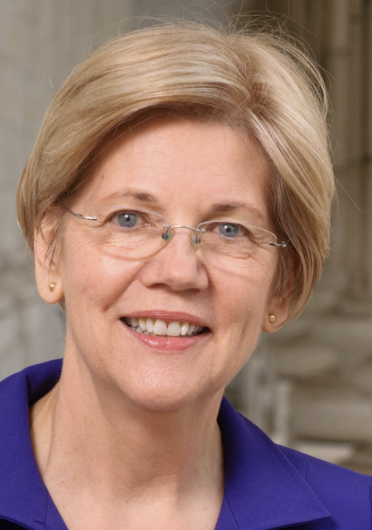
Her potential chairmanship is already generating concern among financial services and technology industry lobbyists, who believe Warren could use the committee’s authority to advance populist policies that appeal to lawmakers in both parties.
Bipartisan Opportunities
Politico reported that people close to Warren and industry lobbyists expect her to seek Republican support for restrictions on artificial intelligence, particularly limits on exports of advanced AI chips manufactured by Nvidia to China.
Warren has already been working with Republican Sen. Jim Banks of Indiana on the issue, potentially providing a foundation for bipartisan legislation.
A technology industry lobbyist told Politico that Warren would likely prioritize AI chip legislation because it offers an opportunity to secure Republican support and achieve an early legislative victory.
Warren also is expected to explore additional housing legislation building on a sweeping bipartisan law enacted earlier this year that sought to increase housing supply and limit private equity’s influence in the housing market.
One longtime financial industry lobbyist, speaking anonymously to Politico, said Warren has demonstrated a willingness to work across party lines rather than simply criticize corporate interests.
‘Reason’ for Concern
The lobbyist said there was “absolutely” reason for industry concern about her potential leadership of the committee.
Dan Geldon, a longtime Warren adviser who previously served as chief of staff for her Senate office and 2020 presidential campaign, told Politico that Warren has consistently identified opportunities for bipartisan cooperation on economic issues.
“She has demonstrated over time that there are many issues Democrats and Republicans can work on together to help working families that don’t mean tax cuts or deregulation for big corporations,” Geldon said.
Potential Influence on 2028 Presidential Race
Warren’s potential elevation also comes as both political parties prepare for competitive presidential nomination contests in 2028, with economic populism increasingly influencing policy debates in Washington.
As chair of the Banking Committee, Warren would have considerable influence over legislation affecting banks, credit unions, financial regulation, housing and other areas of the economy.
Politico reported that her leadership could help shape the economic policy positions of presidential candidates in both parties.
Dennis Kelleher, the outgoing leader of the financial watchdog organization Better Markets, told Politico the committee could play an unusually significant role in the upcoming presidential campaign.
“There’s very little doubt that the agenda of the Senate Banking Committee is going to overlap substantially with the core issues that the candidates in the 2028 election cycle are going to be grappling with,” Kelleher said.
He added that the committee could have an “outsized influence and impact on the 2028 campaigns.”
Warren Focused on Midterm Elections
Warren declined to discuss her potential agenda as Banking Committee chair, telling Politico she remains focused on the upcoming midterm elections.
“Democrats are united in doing everything we can to bring down costs and make this economy work for families,” Warren said in a statement.
Her ability to assume the chairmanship will depend on Democrats winning control of the Senate. Even then, advancing legislation would require navigating the chamber’s closely divided politics and securing sufficient bipartisan support.